

Wholesale Transmission Line Tower Dealers: How to Choose the Right Supplier for Your Project
2026-06-16
Selecting the right wholesale transmission line tower dealer can make or break a power infrastructure project. From material quality to delivery timelines, every detail matters. With Anbang, you're not just buying steel structures—you're gaining a partner who understands grid reliability and on-site demands. Here’s what to look for in a supplier before you commit.
Know Your Project’s Tower Needs Before You Start Calling Dealers
Jumping straight into calls or emails with tower dealers before you've mapped out what your site actually needs is a common misstep. It's tempting to grab quotes early, but without a clear sense of height, load capacity, wind zone requirements, and whether you'll be mounting antennas, dishes, or cameras, those conversations often lead to mismatched options or wasted time. Taking a step back to sketch out your intended use—even roughly—gives you a filter for weeding out designs that look good on paper but won't hold up in reality.
Think about the long game, too. Your current gear list matters, but so do any plans you have for the next five years. A tower that barely handles today's load might buckle when you add that extra microwave link down the road. Local regulations and site conditions—like soil type or proximity to an airfield—can quietly dictate what's feasible, so digging into those early prevents a dealer from steering you toward a model that won't pass permitting. It's less about having every detail pinned down and more about knowing the boundaries your project has to work within.
When you finally reach out to a supplier, that groundwork pays off. Instead of asking "what do you recommend?" you can lead with specifics: the height range, the expected wind speed, and the equipment list. That shifts the discussion from guesswork to fine-tuning, and it's often the difference between a quick, accurate quote and a drawn-out back-and-forth. You're not being difficult—you're giving them the information they need to actually help.
Spotting Genuine Expertise vs. Sales Talk in Transmission Tower Suppliers
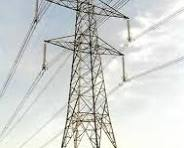
When you first contact a transmission tower supplier, pay attention to whether they ask about your project’s terrain, wind zone, and loading requirements before giving any price. A supplier with real expertise will want to understand the specifics—like the tower type, height, and local weather patterns—because these directly affect the design and durability. If they gloss over technical details and jump straight to a quote, that’s a red flag you’re dealing with a sales pitch rather than engineering support.
Another clear sign is how they discuss standards and certifications. A knowledgeable supplier won’t just mention “ISO” in passing; they’ll reference the exact structural and material standards your project requires, such as ASCE or IEC norms, and explain how their fabrication process meets those requirements. Sales-oriented companies often rely on vague assurances, while genuine experts can walk you through the testing protocols and quality checks they perform at each stage of production.
Watch how they handle your questions about load cases or custom modifications. An experienced team will talk about deflection limits, bolt grades, and foundation constraints without hesitation. If the response sounds scripted or avoids deep technical topics, you’re likely hearing a well-rehearsed sales narrative. The difference becomes obvious in the follow-up: one side sends you a datasheet, the other sends a conversation that helps you solve actual engineering problems.
The Hidden Costs Behind the Lowest Wholesale Bid
Opting for the lowest wholesale bid often feels like a smart move, but the price tag rarely tells the full story. What's left off the invoice can quickly pile up: inconsistent quality that frustrates your customers, minimum order quantities that lock up cash in slow-moving inventory, and suppliers who vanish the moment something goes wrong. These aren't one-off hiccups—they're predictable consequences of razor-thin margins leaving no room for reliability or accountability.
Beyond the unit cost, there’s the silent drain of logistics and operational friction. A supplier offering rock-bottom prices may cut corners on packaging, leading to damaged goods upon arrival. Delivery timelines can shift without notice, forcing you to absorb rush shipping fees just to keep your own promises. Even communication becomes a cost: chasing unresponsive vendors, clarifying vague terms, and managing last-minute surprises chews up time your team could spend on growth.
Long-term partnerships suffer when price is the sole focus. The real expense isn’t the few cents you save per piece—it’s the reputational damage when products don’t perform, the lost sales from stockouts, and the mental overhead of constant firefighting. A bid that seems cheaper on the surface often ends up costing far more in churn, rework, and missed opportunities. True value lies in suppliers who offer consistency, transparency, and a willingness to solve problems—not just the lowest number on a spreadsheet.
Timing Is Everything: How Supplier Logistics Affect Your Build
Anyone who's managed a build knows the frustration of a stalled project when a critical part is still in transit. You can have the best crew and a flawless plan, but if the windows are floating somewhere in the Pacific, you're stuck. The real kicker isn't just the day it's delayed—it's the domino effect that follows. Framing can't be wrapped, inspections get pushed, and suddenly your finish date slides by weeks. Supplier logistics aren't an afterthought; they're the pulse that keeps your timeline alive.
It's not just about shipping speed—it's the quiet moments that'll kill your schedule. A pallet of tile sitting in a warehouse because someone forgot to book the last-mile truck. Custom steel held up in a port because paperwork didn't match the manifest. These aren't rare horror stories; they're routine when you deal with suppliers who treat logistics as an administrative chore rather than a core competency. The best ones have redundant routes, real-time tracking, and honest communication when something smells off. They'll tell you on Monday that your order might be three days late, not let you discover it on Friday afternoon.
Ask your suppliers about their delivery track record, not just their lead times. Those two numbers can tell completely different stories. A vendor quoting two weeks might consistently show up in four. Look for the ones who've invested in warehousing near your site, who navigate customs headaches before they happen, and who treat your build deadline like it's their own. Timing isn't a promise—it's a proven pattern. Choose a supplier whose logistics you'd stake your project's reputation on.
Beyond the Invoice: What After‑Sale Support Should Include
True after-sale support begins long before a problem arises. It's the quiet confidence that comes from knowing your supplier maintains a ready inventory of critical parts, coupled with a team that can walk you through troubleshooting steps over the phone at 2 a.m. No robotic scripts—just people who actually understand how the equipment works in the real world.
Beyond emergency fixes, look for partners that invest in your team's competence. This means hands-on training sessions that go deeper than the manual, tailored to your specific operational rhythms. It's the difference between a vendor who ships spare parts and one who periodically sends an engineer to check in, tighten bolts, and spot wear before it becomes failure.
Finally, the often-overlooked element is evolution. Great after-sale support includes candid conversations about performance data, suggested process tweaks, and even insights into how you might upgrade at the right moment—not just to sell you something, but because they've watched your usage patterns and genuinely believe it will make a difference. That's support that treats your success as a shared metric, not a transactional afterthought.
Custom Fabrication: When Standard Towers Don’t Fit Your Design
Sometimes a stock cooling tower just isn't the answer. You might be working with an irregular footprint, extreme climate conditions, or a process that generates unusually corrosive exhaust. In those scenarios, forcing a standard design into the space often means sacrificing efficiency, risking premature failure, or inflating installation costs. That's where tailored fabrication steps in to bridge the gap between your specifications and a workable, lasting solution.
When we start a custom build, we unpack the constraints you're facing—not just the physical dimensions, but the operational quirks too. Maybe you need a low-profile unit to stay under a sightline, or a dual-inlet arrangement because the surrounding equipment doesn't leave room for a single, large air intake. Materials also shift with the application: a galvanized structure might hold up fine in one environment, but near a coastal setting or a chemical plant, you could be looking at stainless steel, fiberglass, or even a specialized coating system. The aim is to match the tower's lifespan to your project's, without constant upkeep.
We've even built hybrid configurations that blend fill types to handle seasonal swings in heat load, something off-the-shelf models rarely accommodate. The point isn't to reinvent the wheel every time, but to recognize when adding a few inches to the basin depth, resizing the drift eliminators, or rearranging the internal access points will save months of headaches down the road. A conversation early in the design phase usually reveals whether a modified standard or a fully bespoke tower makes sense—and once the decision is made, the fabrication team takes it from concept to reality with minimal back-and-forth.
FAQ
Look beyond just price. Verify their track record with past projects similar to yours, check for industry certifications like ISO 9001, and ask for client references. A reliable dealer will have a clear quality control process and be transparent about their manufacturing capabilities.
Request detailed specifications and material certificates. Inquire about load testing reports and ensure they adhere to standards like ASCE, IEC, or your local grid codes. You can also ask if they use certified steel grades and corrosion protection systems like hot-dip galvanizing.
Be cautious of suppliers with unusually low prices that seem too good to be true, as this often indicates subpar materials or fabrication. A lack of documented quality assurance processes, vague answers about delivery timelines, or reluctance to share past project portfolios are also warning signs.
It matters for logistics and cost. A dealer closer to your project site can reduce transportation expenses and lead times. However, it's more critical to assess their ability to handle logistics efficiently, even if they are overseas. Look for a supplier with robust export packaging and reliable shipping partners.
Absolutely. Beyond unit pricing, discuss payment terms, minimum order quantities, and after-sales support like installation guidance or on-site technical assistance. Locking in warranties for structural integrity and coating longevity is also a smart move.
Ask them to detail their complaint resolution process and turnaround time for replacement parts. Inquire if they offer field service engineers or design modification support after installation. Speaking directly with existing customers about their post-purchase experience is one of the best ways to gauge this.
Conclusion
Selecting the right wholesale transmission line tower dealer starts long before you pick up the phone. You need a crystal-clear picture of your project's technical demands—voltage level, terrain, climatic loads, and tower configuration. A supplier who immediately dives into these specifics rather than pushing generic stock shows genuine engineering depth. Beware of smooth sales pitches that dodge structural details; real expertise surfaces when they discuss wind span calculations, foundation compatibility, or past projects in similar conditions. Also, strip away the lowest bid to uncover hidden costs: subpar galvanizing that leads to early corrosion, thinner steel sections that compromise longevity, or logistics nightmares that delay construction. Often a slightly higher upfront price includes critical value like certified materials, in-house testing, and reliable delivery scheduling that keeps your build on track.
Timing and logistics can make or break a project. A dealer's ability to coordinate production slots, manage shipping to remote sites, and handle last-minute design tweaks directly affects your construction window. Ask about their lead times not just for standard towers but for any custom fabrication you might need. When an off-the-shelf tower doesn't fit your design—perhaps due to unusual angle points or river crossings—a supplier with strong in-house engineering can modify designs without excessive delays or cost. Finally, look beyond the invoice: solid after-sale support means quick replacement of damaged parts, on-site technical guidance during erection, and long-term spares availability. A dealer who treats the sale as the beginning of a partnership, not the end of a transaction, will save you far more than any upfront discount.
Contact Us
Contact Person: antor khan
Email: [email protected]
Tel/WhatsApp: 8613863903569
Website: https://www.qdabtower.com/