
Wholesale Aramid Fabric: Your Complete Guide to High-Performance Industrial Textiles
2026-07-10
When it comes to industrial textiles that demand extreme durability and heat resistance, aramid fabric stands in a league of its own. Yet, navigating the world of high-performance materials can be overwhelming. From aerospace to firefighting, the right fabric can mean the difference between safety and failure. In this guide, we strip away the jargon and dive into what makes aramid fabric a top choice—and how DROTEX is pushing the boundaries of innovation without compromise. If you've ever wondered how these textiles hold up under pressure, or what sets premium aramid apart from the rest, you're in the right place.
What Makes Aramid Fabric Indispensable for Modern Industry
In environments where failure is not an option, aramid fabric steps into a role that few materials can fill. Its molecular structure delivers an extraordinary strength-to-weight ratio—stronger than steel yet remarkably light—making it essential in aerospace composites, ballistic protection, and high-performance sporting gear. Engineers repeatedly turn to aramid when they need to shave weight without sacrificing structural integrity, a balance that traditional materials struggle to achieve.
Beyond raw strength, aramid’s thermal stability and chemical resistance open doors in industrial settings that would rapidly degrade lesser textiles. Conveyor belts in scorching foundries, protective clothing for firefighters, and filtration media in corrosive environments all rely on aramid’s ability to hold its shape and properties where heat and harsh substances are constant threats. It’s not just about resisting a single challenge; it’s about enduring a combination of mechanical stress, elevated temperatures, and abrasive conditions simultaneously.
Perhaps most telling is how deeply aramid has woven itself into safety-critical applications. From reinforcing fiber optic cables that underpin global communications to insulating electrical equipment in high-voltage scenarios, its role is often invisible but irreplaceable. The material’s ability to prevent catastrophic failures quietly underpins modern infrastructure, making it a silent sentinel in industries where reliability is measured in lives protected and operations uninterrupted.
Choosing the Right Aramid Weave for Your Project
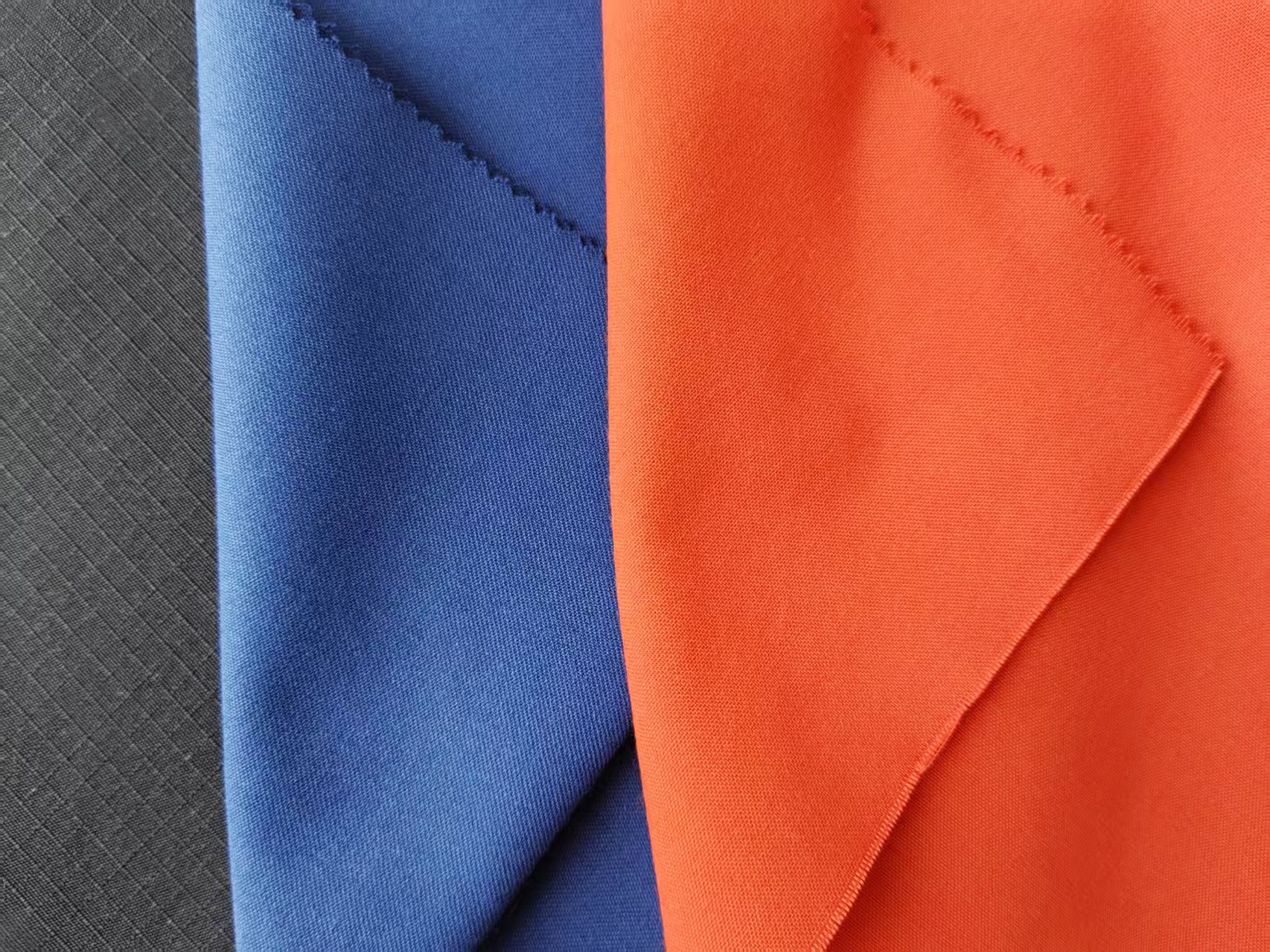
Aramid fabrics come in various weave patterns, each altering how the material handles stress, flexibility, and resin uptake. A plain weave, with its tight over-under structure, delivers exceptional stability and crisp handling—ideal for flat panels or components that demand uniformity. However, this tightness can limit drape, making it less cooperative on complex curves. Twill weaves, like the classic 2x2, strike a middle ground. They offer better conformity to contours without the excessive looseness of a satin weave, but they may soak up more resin, adding weight if you're not careful with your wet-out process.
When your project involves intricate molds or compound curves, a satin weave—such as a 4-, 5-, or 8-harness—becomes the go-to. The long floats between interlacings let fibers slide and stretch, wrapping around tight radii with minimal effort. This suppleness comes at a cost: the fabric is more prone to distortion and snagging, and its open structure can drink resin, potentially creating resin-rich pockets if vacuum bagging isn't dialed in. For parts that see dynamic loads or impact, the weave's influence on fiber crimp matters; plain weaves introduce more crimp, slightly reducing tensile strength, while satin weaves keep fibers straighter, maximizing stiffness and strength.
Thickness and areal weight further complicate the choice. A heavy, multi-layered plain weave might build thickness fast but resist wetting through, whereas a lighter satin with the same total weight could laminate more evenly. Think about the layup process: if you're hand-laminating, a forgiving twill can speed things up; for vacuum infusion, a balanced weave that promotes even resin flow prevents dry spots. Match the weave not just to the shape, but to the manufacturing method and the load path. A cored sandwich panel benefits from a stable plain weave on the skins, while a tubular frame might call for a tubular-woven aramid sleeve or a bias-cut twill to navigate bends without wrinkling.
Breaking Down the Properties That Set Aramid Apart
Few synthetic fibers command the respect that aramid does in demanding applications. At its core, aramid's standout trait is an exceptional strength-to-weight ratio—it's roughly five times stronger than steel on an equal-weight basis, yet light enough to be woven into comfortable body armor. This arises from the rigid, rod-like molecular chains held together by strong hydrogen bonds and aromatic rings. The result is a material that can absorb tremendous impact energy without adding bulk, making it indispensable in ballistic protection, aerospace composites, and high-performance sporting gear.
Beyond sheer strength, aramid remains remarkably stable under conditions that would degrade most polymers. It doesn't melt—it chars and starts to decompose only above 400°C, which is crucial for firefighter turnout gear and industrial protective clothing. This thermal resilience is paired with inherent flame resistance; the fiber self-extinguishes when the ignition source is removed. Chemically, it shrugs off many organic solvents, oils, and mild acids, though strong acids or bases can cause gradual degradation. Such stability means aramid components can survive in hot engine compartments, chemical processing plants, and other harsh environments without losing structural integrity.
What truly sets aramid apart, however, is how these properties combine in a flexible, fabric-like form. Unlike brittle ceramics or heavy metals, aramid can be spun into yarns, woven, or made into papers that are used for electrical insulation in transformers and generators. Its low elongation under load ensures dimensional stability in drive belts and hoses, while its vibration-damping ability extends the life of composite panels. Add excellent dielectric properties, and you have a material that quietly enables everything from bulletproof vests to the lightweight radomes protecting sensitive antennas—often without most people ever noticing it's there.
Navigating Bulk Purchases Without Cutting Corners
Bulk buying often tempts us with lower per-unit prices, but hidden costs can creep in if you’re not careful. It’s easy to overlook storage needs, product shelf life, or even the simple question of whether you’ll actually use 48 rolls of paper towels before they gather dust. A smart approach starts with questioning the real value—not just the sticker price. Factor in things like space at home, how quickly you consume an item, and whether bulk packaging might lead to waste rather than savings. Sometimes, a smaller pack from a local store, even at a slightly higher unit cost, ends up being the wiser spend because you avoid throwing away expired or unused goods.
Another pitfall is assuming that bigger packages always deliver the same quality. Manufacturers occasionally tweak formulas or use thinner materials for their bulk lines, which means that giant bottle of shampoo might be watered down compared to the regular version. When you’re standing in the aisle, take a moment to compare ingredient lists or product weights. Don’t rely solely on brand loyalty—test a smaller size first if you’re trying a new bulk item. It’s also worth checking unit pricing labels closely; sometimes the math surprises you, and the jumbo pack isn’t the bargain it pretends to be.
Finally, bulk purchasing isn’t just about what you buy, but how you integrate it into your routine. Buying in large quantities can lock you into a product, leaving you stuck with a year’s supply of something you grow tired of. To avoid this, rotate stock diligently—use older items first and keep an inventory visible so you don’t overbuy. When possible, split purchases with a friend or neighbor, especially for perishables or bulky items that clog your pantry. The goal isn’t to hoard; it’s to streamline your shopping in a way that genuinely fits your life, without cutting corners that end up costing more time or money in the long run.
Unexpected Uses of Aramid Fabric Across Sectors
When you think of aramid fabric, bulletproof vests and aerospace composites likely spring to mind. But this remarkably strong, heat-resistant material has quietly infiltrated far more surprising corners of our daily lives. Take the music industry: aramid fibers are now woven into drumheads and speaker cones, delivering crisp, resonant sound without warping under the relentless vibrations and stage heat that would degrade ordinary materials. Even some high-end guitar strings incorporate aramid cores for a balance of flexibility and durability that’s tough to match.
Sports equipment is another arena where aramid shows up where you’d least expect it. Ski boots, tennis rackets, and even fencing masks all benefit from the fabric’s ability to absorb impact while remaining feather-light. Cyclists may not realize their puncture-resistant tires owe their resilience to aramid belts beneath the rubber. Meanwhile, in our pockets, smartphone cases with aramid reinforcement offer military-grade drop protection without bulk—a far cry from the clunky, armored look of early protective gear.
Perhaps the most unexpected applications, though, are in fields like heritage conservation and infrastructure repair. Conservators use ultra-fine aramid veils to stabilize fragile historical textiles and paintings without altering their appearance. In construction, aramid-reinforced wraps and meshes can strengthen aging concrete pillars and beams, extending the lifespan of bridges and buildings with minimal added weight. From art preservation to the next bridge you cross, aramid fabric is working wonders in places few ever notice.
Where High-Performance Textiles Are Headed Next
The next chapter for high-performance textiles is being written in labs that barely resemble traditional textile mills. Instead of incremental improvements in thread count or abrasion resistance, the focus has shifted to materials that actively respond to their environment. Think fabrics that stiffen on impact, textiles that harvest energy from movement, or fibers that adjust their porosity based on humidity. This isn't speculative—early versions are already finding their way into protective gear and adaptive sportswear, blurring the line between passive material and wearable technology.
Sustainability is no longer a side project; it's become the design brief itself. The industry is moving away from purely synthetic, petroleum-based inputs and toward bio-derived polymers, recycled composites, and closed-loop manufacturing. But the real leap is in functional finishes that don't wash out. Researchers are embedding antimicrobial or water-repellent properties directly into the polymer backbone, eliminating the need for chemical treatments that leach into water systems. This means gear that stays effective longer without a mounting environmental cost—a non-negotiable evolution as regulations tighten and consumer awareness grows.
Perhaps most intriguing is the quiet revolution in how these textiles are made. Additive manufacturing and on-demand knitting machines are enabling geometries that were impossible a decade ago—complex internal channels for cooling, seamless reinforcement zones, even entire shoe uppers woven in a single piece without waste. The supply chain itself is being rethought: digital inventory and localized micro-factories could soon let brands print custom-fit performance apparel only after an order is placed, slashing overproduction. The destination is clear: materials that are smarter, cleaner, and made exactly for the task and the wearer, not the warehouse.
FAQ
Aramid fabric is a synthetic fiber known for its exceptional strength-to-weight ratio and heat resistance. It belongs to the polyamide family but is engineered to deliver robustness that surpasses conventional materials like nylon. The fibers are inherently flame-resistant, won't melt or drip, and maintain their integrity under extreme temperatures. This makes them prime candidates for aerospace components, military body armor, and industrial protective gear where failure isn't an option.
Para-aramid, such as Kevlar, is characterized by extremely high tensile strength and stiffness, making it ideal for ballistic protection, composite reinforcement, and tension applications. Meta-aramid, like Nomex, excels in thermal stability and electrical insulation, often used in firefighter suits and electrical arc protection. Industrial users frequently lean toward para-aramid when mechanical load bearing is critical, while meta-aramid dominates in heat shielding and insulation tasks. Your choice hinges on whether you're fighting flames or stopping projectiles.
Purchasing wholesale aramid fabric gives you substantial cost advantages through bulk pricing, ensures consistent material supply for large-scale manufacturing, and often secures better lead times. It also allows for tailored specifications—weave patterns, finishes, or lamination—that might not be feasible in smaller batches. Beyond economics, a reliable bulk source builds long-term relationships where vendors become collaborators in achieving consistent quality across your production line.
Aerospace leads the pack, using aramid in fuselage parts and engine cowlings for its lightweight strength. Defense relies on it for soft and hard armor. Automotive sectors embed it in brake pads, timing belts, and turbocharger hoses. Marine uses it for hull reinforcement and racing sails. Add to that oil and gas for gaskets and seals, and sporting goods for helmets and composite panels—it's a silent backbone across sectors demanding extreme performance.
Look beyond the datasheet—request tensile and thermal test reports from accredited labs. Inspect consistency of the weave; uneven yarn tension can create weak spots. Ask about traceability of raw materials: reputable suppliers know their polymer sources. Check whether they offer technical support like lamination or scouring capabilities. Finally, gauge their ability to handle custom widths or core sizes, since flexibility here often separates true partners from mere distributors.
Aramid is hygroscopic, absorbing moisture that can temporarily reduce mechanical strength. Store it in a dry, temperature-controlled area away from direct sunlight—UV exposure degrades the polymer over time. Keep rolls suspended or on end supports to avoid flat spots. During cutting, use sharp tools; dull blades generate heat and fray edges. Avoid contamination with acids or alkalis, as these can break down the molecular structure. Simple precautions dramatically extend its working life.
Absolutely. Laminating aramid with aluminum foil creates radiant heat barriers. Coating it with silicone or PTFE enhances chemical resistance. Weaving it with carbon fiber yields hybrid composites that balance stiffness and impact absorption. Some manufacturers even embed conductive yarns for static dissipation. These hybrids solve problems beyond the reach of standalone materials, and a capable wholesaler should help engineer the right composite for your environment.
Raw polymer cost, energy-intensive production, and specialized finishing treatments form the baseline. Custom weaves or narrow tolerances push it higher. To optimize spending, assess whether you truly need the highest grade—sometimes a slightly lower denier or different weave still meets specs at reduced cost. Consider negotiating multi-annual contracts with price indexing to mitigate volatility. Remember, the real expense is a failure; prudent selection trumps penny-pinching on a critical component.
Conclusion
Aramid fabric has quietly become the backbone of countless industries, yet many buyers still struggle to understand why it's worth the investment. The real value lies in its unique combination of lightweight strength and thermal resistance—properties that simply can't be matched by conventional materials. When you're sourcing this textile at wholesale scale, the weave pattern you select becomes a critical decision point: a plain weave offers durability for ballistic protection, while a twill weave provides the flexibility needed for aerospace composites. Don't fall into the trap of treating all aramid fabrics as interchangeable, because the wrong choice here can lead to costly project delays.
Beyond the specs sheet, purchasing aramid in bulk requires a sharp eye for quality verification and supplier transparency. The best deals come from mills that can back up their claims with consistent test data, not just glossy brochures. I've seen everything from firefighter gear to musical instrument cases benefit from this material's versatility—and that's exactly why forward-thinking procurement teams are paying attention. As we look ahead, expect to see bio-based aramid derivatives and circular production methods become the differentiators that separate industry leaders from the rest.
Contact Us
Contact Person: Sandy
Email: [email protected]
Tel/WhatsApp: 86150 8310 5120
Website: https://www.frdrotex.com