

Wafer Butterfly Valve Wholesale: Your Ultimate Guide to Quality Industrial Valves
2025-12-24
When it comes to wafer butterfly valves, quality, durability, and precision are non-negotiable for industrial applications. Navigating the wholesale market can be overwhelming, with countless options claiming to deliver the best performance. But how do you ensure you're investing in valves that truly meet rigorous standards and withstand demanding environments? Welcome to your comprehensive guide, where we dive deep into the world of industrial valves, helping you make informed decisions that drive efficiency and reliability. At DRIFCO, we understand that superior valve solutions are the backbone of seamless operations, and this guide is designed to unlock insights that set industry leaders apart. Whether you're a seasoned professional or new to the field, get ready to explore what makes these valves indispensable and how the right choice can transform your systems. Let's embark on this journey to uncover the essentials of wafer butterfly valves and elevate your industrial prowess.
Understanding Wafer Butterfly Valves in Industrial Applications
Wafer butterfly valves might seem like simple components, but their design is a masterclass in industrial efficiency. Unlike bulkier alternatives, these valves feature a slim profile that fits neatly between two flanges, secured by bolts that pass through the valve body. This compact setup makes them ideal for space-constrained applications, from chemical plants to HVAC systems. The disc inside rotates a quarter-turn to control flow—fully open for minimal pressure drop, fully closed to halt fluids or gases. It's this straightforward yet effective mechanism that has cemented their role in managing everything from water treatment to food processing, where quick operation and reliability are non-negotiable.
What truly sets wafer butterfly valves apart is their versatility in handling diverse media. Engineered with materials like stainless steel, PTFE, or EPDM for the seat and disc, they can withstand corrosive chemicals, high temperatures, or abrasive slurries. In the oil and gas industry, for instance, these valves are often deployed in pipeline systems to regulate crude oil flow, thanks to their robust sealing capabilities. Meanwhile, in pharmaceutical manufacturing, they ensure sterile conditions by preventing contamination. This adaptability means engineers don't have to compromise on performance, whether they're dealing with aggressive acids in a lab or chilled water in a commercial building.
In real-world applications, the benefits extend beyond just functionality. Their lightweight construction reduces installation time and costs, a boon for projects with tight deadlines. Consider a wastewater treatment facility: here, wafer butterfly valves are routinely used in sludge control, where their easy maintenance and long service life cut down on downtime. By optimizing flow with minimal energy loss, they also contribute to greener operations. It's no wonder that from power generation to maritime shipping, these valves have become a go-to solution, blending simplicity with steadfast performance in environments that demand nothing less.
Key Features That Define High-Quality Butterfly Valves
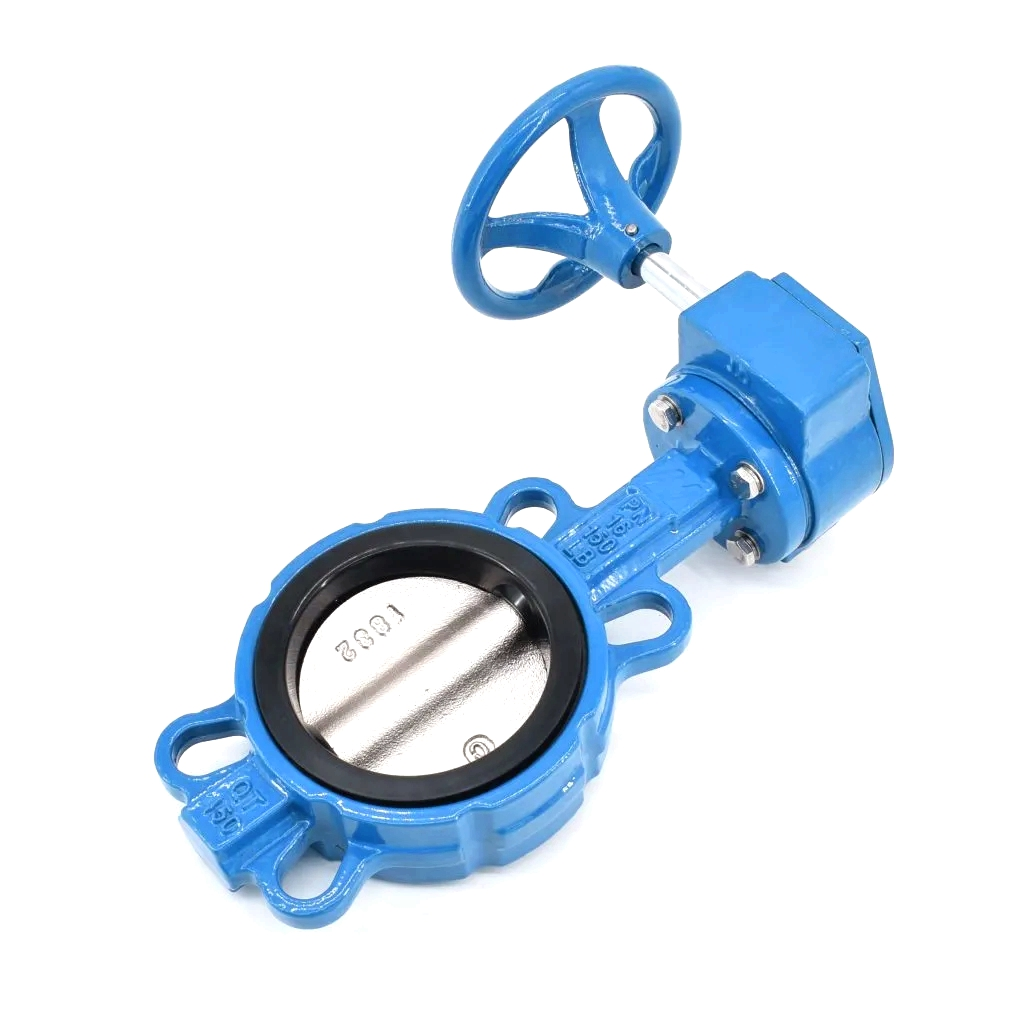
When it comes to industrial fluid control, the quality of a butterfly valve often hinges on its material selection and design precision. High-grade valves utilize corrosion-resistant alloys like stainless steel or specialized polymers, ensuring longevity even in harsh chemical environments. The disc, typically crafted from robust materials, is engineered for smooth operation and minimal wear, while the seat—often made from resilient elastomers like EPDM or PTFE—provides a reliable seal that withstands varying pressures and temperatures. This attention to detail in construction not only enhances durability but also reduces maintenance needs, making these valves a cost-effective choice for long-term applications.
Another standout feature is the valve's operational efficiency, driven by advanced actuation systems. High-quality butterfly valves often incorporate low-torque designs, allowing for effortless manual or automated control without straining components. Innovations like eccentric disc configurations or double-offset mechanisms minimize friction and extend seal life, ensuring consistent performance in demanding cycles. Additionally, these valves are designed for quick, quarter-turn operation, facilitating rapid flow adjustments in processes where timing is critical, such as in water treatment or food processing industries, where precision and speed can significantly impact productivity.
In terms of versatility and adaptability, top-tier butterfly valves excel by offering customizable options to suit specific operational needs. They can be tailored with various end connections—from wafer to lug types—to fit diverse piping systems seamlessly. Features like fire-safe certifications or hygienic finishes, such as electropolishing for sanitary applications, set them apart in specialized sectors. By integrating smart technologies, such as sensors for real-time monitoring or IoT compatibility, these valves not only meet but exceed modern industry standards, proving indispensable in optimizing fluid management across sectors from oil and gas to pharmaceuticals.
How to Select the Right Wafer Butterfly Valve for Your Needs
Choosing the ideal wafer butterfly valve for your specific application can be tricky, but breaking it down starts with nailing the basics. First, pinpoint the media you'll be handling—whether it's water, chemicals, or gases—and its temperature and pressure ranges. Then, consider the valve's size in relation to your pipeline diameter to ensure a snug fit. Material selection is crucial too; options like stainless steel, cast iron, or plastic should align with corrosion resistance and durability needs. Don't forget the seat and disc materials, as these impact sealing performance and longevity under different conditions.
Beyond the technical specs, think about operational factors that set a valve apart. Check the actuation type: manual handles are budget-friendly for infrequent use, while pneumatic or electric actuators suit automated systems for precise control. Look into specialty features like lined or high-performance valves if your process involves abrasive slurries or extreme environments. Testing standards, such as API or ISO certifications, can also be a quick way to gauge reliability without getting bogged down in jargon. Remember, a valve that's easy to install and maintain in your setting will save headaches down the line.
Lastly, weigh the cost against long-term value rather than just the upfront tag. Cheaper valves might cut initial expenses but lead to frequent replacements or leaks, driving up total ownership costs. Consulting with suppliers for tailored advice and reading user reviews can reveal hidden pros and cons, helping you avoid common pitfalls. By balancing performance, compatibility, and lifecycle considerations, you'll land a wafer butterfly valve that not only fits your needs now but stands the test of time, ensuring smoother operations and fewer surprises in your system.
Installation and Maintenance Tips for Long-Term Valve Performance
Proper installation is key to ensuring valves operate smoothly for years to come. Before you start, always check the specifications and match the valve to your system's requirements—it's surprising how often a simple mismatch leads to early failures. Make sure the pipeline is clean and free of debris, as foreign particles can damage seals and cause leaks right from the get-go. During installation, follow the manufacturer's torque recommendations closely; overtightening risks cracking, while undertightening might result in loose connections that compromise pressure integrity. Align the valve correctly to avoid undue stress on components, and don't forget to test for leaks under operational conditions to catch any issues before they escalate.
Consistent maintenance routines are just as crucial as a solid install to keep valves in top shape over the long haul. Develop a schedule based on usage and environmental factors—valves in harsh conditions might need more frequent inspections than those in controlled settings. During checks, look for signs of wear like corrosion, erosion, or unusual noise, which can signal underlying problems. Lubricate moving parts according to the valve type, using compatible lubricants to prevent degradation of seals and internals. Keep detailed records of all maintenance activities; this log helps track performance trends and plan proactive replacements, reducing unexpected downtime and costly repairs.
Adopting advanced practices can further boost valve longevity and set your system apart. Consider implementing predictive maintenance techniques, such as vibration analysis or thermal imaging, to detect issues before they cause failures. Upgrade to high-quality materials when replacements are needed, as resilient alloys often outlast standard options in demanding applications. Train your team on best practices for handling and storage, as improper care during off-hours can shorten valve life. By integrating these strategies, you'll not only extend performance but also enhance efficiency and safety across your operations.
Comparing Wafer Butterfly Valves to Other Industrial Valve Types
In industrial settings, choosing the right valve depends on factors like flow control, pressure handling, and installation constraints. Wafer butterfly valves stand out with their compact, lightweight design and cost-effectiveness, making them ideal for applications where space is limited or budget is a concern. Unlike ball valves, which can be bulky and expensive, these valves offer simple operation with a quarter-turn mechanism, though they may not provide the same tight shut-off as gate valves in high-pressure scenarios.
When compared to globe valves, wafer butterfly valves excel in low-pressure drop and minimal flow disruption, allowing for efficient fluid movement in systems like HVAC and water treatment. However, they might not match the precise throttling capabilities of globe valves in critical control loops. Their rubber-lined seats can degrade over time in abrasive environments, a point where metal-seated valves like plug valves could prove more durable, though at a higher cost and maintenance requirement.
In terms of versatility, wafer butterfly valves often outperform check valves by offering bidirectional flow control, while check valves are limited to preventing backflow. For quick isolation in large pipelines, they provide a faster alternative to gate valves, which require more time to open or close. Overall, their balance of performance, ease of installation, and affordability makes them a go-to choice for many engineers, though specific conditions like extreme temperatures or corrosive media might warrant considering alternatives like diaphragm or pinch valves.
Where to Source Reliable Wholesale Butterfly Valves
Sourcing reliable wholesale butterfly valves starts with identifying manufacturers that prioritize quality control and material standards. Many professionals recommend looking for suppliers who have a track record in industrial applications, such as those serving the chemical, water treatment, or HVAC sectors. It's crucial to verify certifications like ISO 9001, which often indicate consistent production practices. Additionally, checking for suppliers that offer customization options can be a game-changer, as it allows you to tailor valves to specific pressure ratings or temperature ranges without compromising reliability.
Beyond just certifications, building relationships with distributors who specialize in fluid control systems can lead to more dependable sourcing. These experts often have insights into emerging brands or niche products that might not be widely advertised online. For instance, some lesser-known European manufacturers produce butterfly valves with advanced sealing technologies that outperform standard models in corrosive environments. Engaging with trade associations or attending industry expos can also uncover hidden gems, giving you access to suppliers who prioritize long-term partnerships over one-off sales.
To stand out from generic sourcing guides, consider the total cost of ownership rather than just the initial price. Reliable wholesale butterfly valves might come with higher upfront costs, but they often reduce maintenance expenses and downtime in the long run. Look for suppliers that provide comprehensive support, such as installation guidance or warranty coverage, which can signal confidence in their products. By focusing on these nuanced factors, you'll not only secure high-quality valves but also build a supply chain that enhances operational efficiency and safety for years to come.
FAQ
When sourcing wafer butterfly valves, prioritize features like durable disc materials (such as stainless steel or coated for corrosion resistance), a robust sealing mechanism (like EPDM or PTFE seats for tight shut-off), and compliance with industry standards like API or ISO. These ensure longevity and reliability under pressure.
Wafer butterfly valves offer advantages like compact design, lower cost, and easier installation compared to gate or ball valves. They're ideal for flow control in pipelines with limited space, though they may have slightly higher pressure drop, so consider your system's needs.
Yes, many models are designed for demanding environments. Options with specialized materials—like high-grade alloys or fluorocarbon linings—can withstand temperatures up to 400°F and resist acids or alkalis. Always check the manufacturer's specs for compatibility.
Regular inspection of seals and discs for wear, lubrication of the stem (if applicable), and cleaning to prevent debris buildup are key. In wholesale, bulk maintenance kits can streamline this, reducing downtime across multiple units.
The wafer design is lighter and more cost-effective, fitting between pipe flanges without threading. It's great for systems where space is tight or where valves need frequent replacement, though lug styles offer more support for heavier loads.
Look for certifications like ISO 9001, request material test reports, and check for brand reputation or third-party reviews. Some suppliers offer samples or on-site testing—don't hesitate to ask for proof before bulk purchases.
A common mistake is improper alignment or over-tightening bolts, which can damage the valve or cause leaks. Also, ensure the valve's pressure rating matches your system's requirements to prevent failures under stress.
Absolutely—some models feature low-torque operation to reduce energy use in actuation, or are made from recyclable materials. Look for valves with leak-proof designs to minimize fluid loss, supporting sustainability goals.
Conclusion
Wafer butterfly valves are indispensable components in modern industrial systems, offering a compact and cost-effective solution for regulating fluid flow across various applications. Understanding their role in industrial settings reveals how these valves balance efficiency with space-saving design, making them ideal for pipelines where installation space is limited. By exploring key features such as durable materials like stainless steel or resilient liners, along with precision engineering for tight sealing, this guide emphasizes what distinguishes high-quality valves that withstand demanding conditions. Selecting the right valve involves considering factors like pressure ratings, temperature ranges, and media compatibility, ensuring optimal performance tailored to specific operational needs, whether in water treatment, chemical processing, or HVAC systems.
Proper installation and maintenance are crucial for maximizing valve lifespan, with practical tips covering alignment, gasket placement, and regular inspections to prevent leaks and wear. Comparing wafer butterfly valves to other types, such as gate or ball valves, highlights their advantages in lightweight construction and quicker operation, though they may be less suitable for high-pressure scenarios. Sourcing reliable wholesale options requires evaluating suppliers based on certifications, industry reputation, and customization support, enabling businesses to secure bulk purchases without compromising on quality. This comprehensive approach ensures that readers gain actionable insights to make informed decisions, enhancing system reliability and cost-efficiency in industrial valve procurement.
Contact Us
Contact Person: George
Email: [email protected]
Tel/WhatsApp: 13863633883
Website: https://www.es-fire.com