

Top Galvanized Tangent Tower Solutions for Durable Transmission Line Performance
2026-11-21
When transmission lines stretch across challenging terrain, the weakest link often isn’t the conductor—it’s the structure holding it steady. Galvanized tangent towers have quietly become the backbone of modern grid reliability, resisting corrosion and fatigue long after standard steel gives way. In this post, we explore the design choices and coating strategies that separate long-lasting tangent towers from the rest. Anbang brings a practical field perspective to a critical part of power delivery that rarely gets the attention it deserves.
The Real Cost of a Thin Zinc Layer on Tangent Tower Legs
A thin zinc coating on tangent tower legs rarely announces itself through mill certificates. It shows up later as scattered rust blooms near the base plates and bolt holes, where moisture and road splash collect long after the line is energized. What begins as a cosmetic blemish soon becomes a pitting problem because the zinc is too shallow to form a stable patina. Field crews end up hand-sanding and brushing cold zinc over contaminated steel, a repair that costs several times more per square foot than the original galvanizing without ever restoring the same protection.
The mechanical realities of tangent towers make the problem worse than on heavy angle structures. Legs carry mostly vertical load, so the steel flexes with wind and thermal cycles, and thin, brittle zinc layers crack along the lower flanges. Once moisture reaches the underlying steel, the corrosion cell spreads beneath the remaining coating, lifting it in sheets. Inspectors then find white rust and early red rust during routine climbs, triggering unplanned maintenance windows and more frequent aerial or ground inspections.
Over a thirty-year service life, the ledger tilts against the initial saving. A few dollars kept back at the galvanizing stage turns into repeated mobilization, lane closures or line outages, scaffolding, containment, and repainting that never fully arrests the corrosion. In many utilities, the only durable fix is to replace the leg section entirely, which means heavy lifting in difficult terrain alongside a live line. The real cost is not the zinc that was left off; it is the maintenance program that gets inherited for decades.
Why Tangent Runs Demand More From Galvanizing Than Dead-End Structures
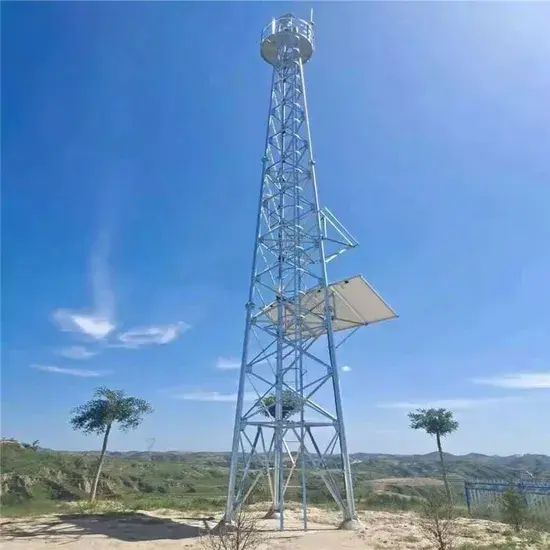
On a typical transmission line, tangent runs account for most of the route miles but receive far less routine attention than dead-end structures. Dead-ends sit at logical break points where crews can pull up, inspect hardware, and touch up coatings without major access problems. Tangent towers and poles, by contrast, often stand in backlots, floodplains, or rough terrain that makes every maintenance visit expensive. That difference puts more of the corrosion-protection burden on the galvanized coating itself. If the zinc layer is thin, porous, or poorly bonded on a tangent structure, the first sign of trouble is usually a rust streak spotted long after the cheapest repair window has passed.
Manufacturing also plays a role. Tangent structures tend to be built from lighter rolled shapes, formed angles, and repetitive connection details rather than the heavier plate and weld assemblies common in dead-ends. Thinner sections heat and cool quickly during galvanizing, so the bath temperature, immersion time, and withdrawal speed have to be controlled within a tighter band. Otherwise the coating can come out with uneven thickness, sharp drips, or brittle alloy layers that crack during handling. A heavy dead-end assembly has more thermal mass and can mask minor process variation, while a tangent part will reveal it immediately in the field.
The cumulative exposure is another factor. Even though dead-end structures carry higher mechanical loads, tangent runs are the ones that live with everyday wind-induced vibration, thermal expansion, and wet-dry cycles across hundreds of similar spans. Small coating defects repeat across a large population, so a marginal galvanizing practice becomes a system-wide maintenance problem. Specifications for tangent work therefore tend to push harder on minimum zinc thickness, adhesion, and finish quality, not because the individual structure is more stressed, but because the coating has to perform with fewer second chances.
Shop Floor Habits That Save the Coating Before It Reaches the Line
Most coating waste never starts at the applicator. It starts with a lid that gets peeled open and left off while someone gets pulled to another job. A drum left breathing near a bay door picks up dust and starts to skin, and by the time it reaches the line, the operator is fighting lumps instead of working with fluid. Wiping the rim before closing, resealing right after transfer, and keeping a clean stir stick at each station sound small, but they stop a lot of material from going bad before it has a chance to perform.
Temperature and storage habits are just as sneaky. Pails parked beside a curing oven or an outside wall can drift enough to slow flow-out or change gloss. Rotating stock so the oldest drum is used first keeps half-forgotten containers from aging past their window. A simple label with the open date and the volume left inside saves the next shift from guessing, and from rejecting a batch that sat too long.
It’s worth checking the transfer equipment too. A pump or scoop that never gets rinsed between colors can carry a few ounces of yesterday’s tint into today’s clean batch. That kind of carryover doesn’t just waste coating later; it wastes the time spent adjusting at the line. Coating saved on the floor never has to be reworked, reordered, or written off.
Reading Coating Thickness Logs Like a Maintenance Forecast
A coating thickness log rarely tells you much when you look at a single entry. Line up a few months of readings, though, and the numbers start to behave less like inspection records and more like a weather forecast. A slow, consistent drop across a vessel or structure often points to uniform wear. A sharp dip in one small band suggests localized erosion or a change in operating conditions. Learning to read those patterns means you stop reacting to failures and start planning around them.
Trend lines become more useful when they are paired with context. If thickness loss accelerates after a process change, the log is telling you the new conditions are harder on the substrate. If the slope stays flat for two years and then bends downward, that is the moment to adjust your inspection interval rather than wait for the next scheduled shutdown. The log is not just a record of what has been lost; it is a running estimate of what will be lost next.
The goal is not to make every reading fit a neat curve. Some scatter is normal, and chasing every small variation usually creates unnecessary work. Instead, a maintenance forecast works best when you track the band of probable thickness loss and act when the lower edge of that band approaches the minimum acceptable value. That keeps decisions grounded in evidence without pretending the future is exact.
Small Design Tweaks That Stop Water From Sitting on Critical Joints
Most joint failures don't start with a dramatic crack. They begin when a thin film of water lingers long after the rain stops, held in place by a flat ledge, a sharp inside corner, or a fastener head that interrupts the slope. Shifting that slope by just a couple of degrees can make the difference between a joint that dries in minutes and one that stays damp for days. On horizontal members, a slight outward fall is often enough to move water away from the connection before it can wick into a bolt hole or settle against a gusset plate.
Small breaks in the surface also help. A shallow drip groove cut on the underside of an overhang gives water a defined place to release instead of wrapping around the edge and traveling back toward the joint. Where two parts meet, softening the inside corner with a radius or adding a narrow drainage notch prevents capillary action from pulling moisture into the gap. Even the order of assembly matters: lapping an upper piece over a lower one so the seam faces downward keeps gravity working for the joint rather than against it.
Fasteners and hardware deserve the same attention. A washer that sits slightly proud of the surrounding surface can create a tiny dam, so recessing it or bedding it in a flexible sealant removes that pooling point. Where a bracket meets timber or steel, leaving a small standoff gap allows air to move through and dry the contact face. None of these changes require redesigning the whole structure, but together they quietly extend the life of the connections that hold everything else in place.
What Coastal and Industrial Sites Teach About Coating Longevity
In marine and industrial settings, coatings fail in predictable but unforgiving ways. Salt fog works into microscopic breaches, chemical splash attacks resin binders, and ultraviolet exposure breaks down topcoats until the underlying layers begin to chalk and crack. These sites make clear that longevity is not about a single miracle product; it is about matching the system to the exact exposure, including thermal swings, wet-dry cycles, abrasive dust, and acid fumes, rather than assuming a standard specification will hold.
One of the clearest lessons comes from edge retention. On structural steel near the coast, rust almost always starts at bolt holes, cut edges, and weld seams where film thickness naturally drops. Industrial facilities have learned to stripe-coat those vulnerable geometries before the full application, building extra film where failure wants to begin. That small discipline often extends service life more than upgrading the generic coat.
Inspection cycles also shift the conversation. Environments like these punish deferred maintenance quickly; a blister that might stay dormant inland can become a corrosion cell within months when salts and moisture are constantly present. Teams that sample adhesion, measure dry film thickness, and repair local damage early tend to get far more years from the same coating system than those that wait for visible rust. The site becomes the real teacher, showing where water ponds, where abrasion cuts through, and where sunlight opens the surface, so the next recoating cycle can be adjusted rather than blindly repeated.
FAQ
They strike a practical balance between initial cost and dependable service. The galvanized coating shields the steel through years of rain, sun, and temperature swings, while the tangent design handles everyday conductor loads without the extra hardware required at angle or dead-end structures.
It usually comes down to coating thickness, surface preparation, and connection detailing. A dependable solution uses hot-dip galvanizing to a specified minimum, avoids sharp edges where zinc wears thin early, and includes joint details that do not trap water or invite corrosion.
The zinc layer acts as a sacrificial barrier. If the coating gets scratched, the surrounding zinc corrodes first and keeps the underlying steel intact. That reduces rust-related inspections, limits patching, and lowers the chance of structural weakening over the line's service life.
Yes, but the specification may need to change. Thicker galvanized coatings, sealed overlaps, and sometimes a duplex coating system are common in aggressive environments. Regular washing or inspection of areas where salt and moisture collect also helps maintain long-term performance.
Sloped or sealed surfaces that shed water, properly isolated bolted connections, and minimal crevices all help. Even small decisions like adding drip edges on horizontal members or avoiding fully closed box sections can make a meaningful difference over several decades.
Often they can. Adding galvanized steel reinforcement, replacing corroded sections, or applying a duplex system can restore capacity. It is generally faster and less disruptive than replacing whole structures, though existing foundations and alignment should be checked before starting.
Beyond price, they should compare the galvanizing standard, expected coating life under local conditions, ease of assembly, and how the tower handles fatigue from wind and conductor movement. A slightly higher initial cost can pay off through longer maintenance intervals and fewer unplanned repairs.
Conclusion
Thin zinc layers on tangent tower legs rarely show their true cost at the warehouse gate. The problem appears later as hairline rust at bolt holes, base plates, and field-welded connections, where moisture lingers and coating thickness has already been reduced by handling, nesting, and repeated alignment during tower erection. Because tangent runs carry continuous tension changes across varying terrain and wind spans, they actually work harder than many dead-end structures, so the zinc layer has to survive flexure, abrasion, and weather exposure at the same time. A shop practice that ignores edge protection or allows bare chains to bite into galvanized surfaces may save a few minutes on the floor but guarantees a shorter service life in the field. Coating thickness logs are not just quality records; read over time, they show where the process is drifting before a full batch leaves the plant.
Small drainage improvements often extend coating life more than an extra coat of paint. Drilling weep holes, avoiding flat gusset plates where water can pool, and specifying standoff washers at critical joints keep moisture from sitting against zinc for weeks after a storm. Coastal and industrial sites make these decisions even more important because salt spray, sulfur compounds, and airborne chlorides consume the coating from the outside while trapped water works from the inside. Sites with dense fog and frequent condensation show that coating longevity is not only a matter of initial thickness but of dry time and drainage. When maintenance crews treat coating thickness data like a forecast instead of a pass or fail marker, they can plan touch-up work before the steel itself begins to pit. The best tangent tower solution is therefore not a single heavier dip, but a combination of practical shop handling, smarter joint detailing, and honest use of inspection records.
Contact Us
Contact Person: antor khan
Email: [email protected]
Tel/WhatsApp: 8613863903569
Website: https://www.qdabtower.com/