
Top Fusion Splicers: How to Choose the Best One for Fiber Optic Projects
2026-07-31
Choosing the right fusion splicer can make or break your fiber optic project. With so many models claiming top performance, it’s easy to get lost in specifications. But what truly matters for reliability in the field? Whether you’re dealing with single-mode or multimode fibers, the key lies in understanding core features like alignment technology, splice loss, and durability. Brands like DVP have been refining these aspects, but how do you separate genuine innovation from marketing hype? In this guide, we’ll cut through the noise and help you pinpoint the splicer that fits your needs—without the usual guesswork.
What Actually Matters When Evaluating Splicer Specs
A spec sheet can be a maze of numbers that feel disconnected from real fieldwork. Focus on splice loss under typical conditions, not just the lab-optimized best-case figure—what you see in a dusty enclosure or on a windy tower often tells a truer story. Pay attention to the optical design and how it handles imperfect cleaves, because raw theoretical alignment means little if the machine stumbles on a routine prep flaw.
Cycle time grabs attention, but consistency across hundreds of splices matters more than a headline speed. Look at the heating and cooling phases separately; some units race through the arc only to leave you waiting on the shrink tube. And don’t overlook the user interface—if the workflow forces extra taps or obscure menus, fatigue sets in fast and errors climb, no matter how precise the mechanics are.
Robustness is hard to quantify but easy to regret ignoring. Check the environmental sealing, battery endurance in actual cold or heat, and how v-grooves or clamps hold up after months of grit. Finally, compatibility with your existing ecosystem—cleaver, holders, software—can make or break daily efficiency. The flashiest specs on paper often matter less than how the tool fits into your hands and your workflow on the tenth hour of the day.
Breaking Down the Different Types of Fusion Splicers
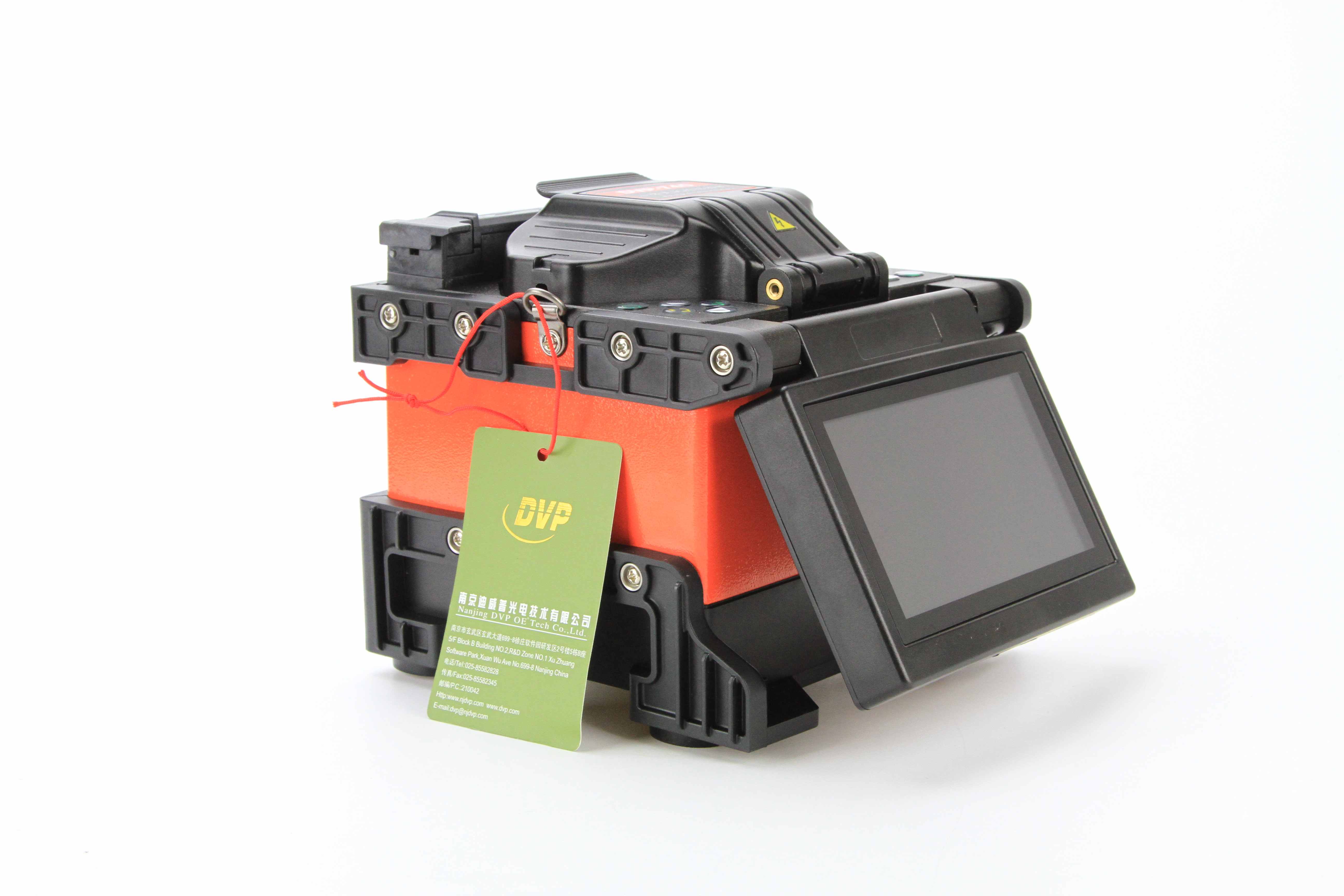
Fusion splicers might all serve the same fundamental purpose, but their internal workings and intended use cases set them apart in meaningful ways. The most common distinction is between core alignment and cladding alignment machines. Core alignment units use sophisticated optics and image processing to precisely align the fiber cores, making them ideal for single-mode networks where low loss is critical. Cladding alignment models, on the other hand, align the outer diameter of the fibers, which keeps the process simpler and faster—often preferred for multimode applications or less demanding installations.
Beyond alignment method, form factor plays a huge role in how a splicer fits into a technician’s workflow. Benchtop models bring high precision and automation to controlled environments like factories or labs, but they aren’t meant to leave the premises. Field technicians lean on portable units, which balance ruggedness with acceptable accuracy—these often come in briefcase-style designs or as handheld splicers that can be carried on a belt. Handheld units have carved out their own niche by prioritizing ease of use and speed, even if they trade off some of the fine control found in larger rigs.
Modern lineup differentiation also hinges on specialty features that go unnoticed until you’re the one doing the splicing. Some models integrate automated fiber alignment, real-time arc calibration, and dual ovens for faster heat-shrinking, while others cater to ribbon fiber with mass fusion capabilities. Whether you’re working with legacy loose-tube cable, high-count ribbon, or even specialty fibers like bend-insensitive types, the splicer you choose will heavily influence both the quality and efficiency of the end result. Understanding these categories isn’t just academic—it’s what keeps a project on time and a network running cleanly.
The Features That Make or Break Field Efficiency
Real field efficiency isn’t just about engine power or implement width. It’s the small, often overlooked details that separate a productive day from a frustrating one. Hydraulic responsiveness, for instance, can make or break how quickly you cycle through headlands. A system that lags or stutters under load will bleed minutes every hour—minutes that stack up across a season.
Operator comfort is another decisive factor. A cab with poor visibility, controls that force awkward reaches, or a suspension system that transmits every bump leads to fatigue. Fatigued operators make more mistakes, work slower, and are less consistent. Simple ergonomic improvements—like an adjustable armrest that integrates the main functions—often yield bigger gains than a marginal horsepower increase.
Then there’s the technology layer, which cuts both ways. Automated guidance and section control can drastically reduce overlap and operator strain, but only if they’re intuitive. Overly complex menus or finicky calibration processes create downtime and distrust. The best systems fade into the background, letting the operator focus on the field, not the interface. Efficiency isn’t about having the most features—it’s about having the right ones working seamlessly together.
Cost Considerations That Go Beyond the Initial Purchase
It’s easy to fixate on the sticker price, but the true cost of ownership often tells a very different story. Regular maintenance, energy consumption, and the price of consumables can quietly eclipse what you paid upfront. For instance, a printer might look like a bargain until you tally up the cost of ink cartridges over its lifetime. Similarly, an appliance with a low purchase price could end up driving your electricity bills through the roof if it lacks efficiency. Taking the time to map out these operational expenses before committing can save you from a budget trap that only reveals itself months down the line.
Then there’s the question of durability and lifespan. Two products might serve the same function, but if one needs replacing three years sooner, the math shifts dramatically. A well-built item that costs a bit more today often outruns several cheaper alternatives over a decade. Factor in the hassle and expense of repairs, too—some brands design their goods so that fixing them is a nightmare, locking you into pricier service channels or early replacement. The materials, build quality, and warranty terms are often clues to how long your money will actually last.
Don’t overlook the softer costs, either. Time spent troubleshooting, training people to use a new tool, or navigating clunky interfaces quietly drains resources. There’s also the risk of obsolescence: buying into a proprietary ecosystem can mean being forced into expensive upgrades later, while open standards or widely compatible gear often gives you more control over future expenses. Sometimes, what you “save” upfront gets recouped in lost productivity or frustrating workarounds that no one puts on the invoice—but you feel it anyway.
Real-World Performance: What Technicians Wish They Knew
Technicians often see that spec sheets don't tell the full story. A device that benchmarks perfectly in a lab can stumble under actual working conditions. Factors like signal interference, ambient temperature swings, or even the way a user holds a device can turn a blazing-fast machine into a sluggish one. They wish more people understood that real-world use is messy, and peak performance figures rarely hold up outside of controlled environments.
Another common frustration is the mismatch between advertised speeds and what users actually experience day to day. Solid-state drives slow down as they fill up, wireless routers lose throughput through a couple of walls, and software updates can temporarily drag systems down. Technicians wish you knew that consistent, reliable performance over time is often a bigger win than a flashy top‑speed number that only appears for a few seconds in perfect conditions.
Staying Ahead as Fiber Networks Evolve
The pace of change in fiber optic technology leaves little room for complacency. What was cutting-edge last year—like GPON—now faces pressure from XGS-PON and 25G-PON as demand for symmetric bandwidth surges. Service providers who treat network evolution as a one-time upgrade risk being blindsided by competitors leveraging lower latency and higher density. The real differentiator isn’t just adopting new standards, but building an architecture that accommodates iterative changes without disruptive overhauls.
Forward-looking operators are rethinking how they deploy and manage fiber assets. Rather than waiting for customer complaints to dictate upgrades, they use predictive analytics on traffic patterns to identify bottlenecks before they become visible. This shift from reactive to proactive network planning shortens the cycle between technology availability and market delivery. It also turns fiber infrastructure into a strategic platform that supports emerging applications—from 8K streaming to industrial IoT—without requiring a complete rebuild every few years.
Ultimately, staying ahead hinges on cultivating a development mindset across the organization. Engineering teams that continuously experiment with coherent optics, software-defined provisioning, and AI-assisted operations gain an edge that’s hard to replicate. Partnerships with agile equipment vendors and open-source communities further reduce dependency on monolithic solutions. In this environment, the winners won’t be those with the most fiber in the ground, but those who evolve it at the speed of innovation.
FAQ
Focus on how the splicer handles real-world conditions you’ll face on the job. Dust, temperature swings, and inexperienced technicians can all mess up a splice, so prioritize machines with robust environmental sealing, fast boot times, and intuitive alignment. Also check how easily you can replace electrodes and clean the V-grooves on site—it saves hours of downtime.
It’s not marketing if your network mix includes long-haul single-mode links. Core alignment actively measures and centers the fiber cores, giving you lower loss below 0.02 dB consistently. Clad alignment works well for multimode or short patch cords where slight offsets don’t kill the link budget. If you splice a variety of fibers, a core-aligning splicer pays for itself in fewer reworks.
The onboard estimate is a good sanity check but don’t rely on it for acceptance testing. Splicers estimate loss based on camera analysis of the alignment—it doesn’t account for fiber mismatches or macrobends further down the span. Always verify with an OTDR or light source and power meter, especially on critical routes.
Automatic arc calibration is non-negotiable—manually tuning the arc at every change of altitude or humidity kills productivity. Battery life that outlasts a full shift without swapping packs is another. And a splicer that can withstand a drop onto gravel without needing a factory realignment keeps your project on schedule.
Mixing usually leads to frustration. The cleaver and splicer communicate tolerances; a splicer expecting a cleave angle below 0.5° will reject many cuts from a generic cleaver. Staying within one manufacturer’s ecosystem means the work fits together seamlessly and support calls go smoother.
Look at consumable lifespan: electrodes that last 3,000 splices versus 6,000 change your per-splice math significantly. Also factor in calibration frequency and whether you can do basic maintenance in-house. An extra $1,500 upfront on a splicer that drastically reduces re-cleaves and electrode swaps often pays back within six months on a large deployment.
High-end core-aligning splicers with a ‘universal’ mode can switch between these without manual program changes. They detect the fiber type from the camera image and adjust the arc duration and alignment logic. It’s not perfect—some OM1 fibers have poor core concentricity that still trips up the algorithm—but it drastically cuts setup time compared to maintaining separate machines.
Clean the fiber clamps ruthlessly. Tiny glass shards embed in the clamp pads and micro-tilt the fiber just enough to degrade alignment. A quick brush-out at lunch and end of day prevents phantom splice failures that waste time chasing the wrong diagnosis.
Conclusion
When you're comparing fusion splicers, it's tempting to fixate on alignment specifications, but the real test is how those numbers translate to daily fieldwork. Core alignment matters for low-loss trunk splicing, yet ribbon splicers or cladding alignment units can triple your throughput on high-count distribution cables. Pay attention to the "invisible" specs: heater cycle time, battery weight, and how fast the machine re-arcs after a failed attempt. Dust and humidity are field constants—models with robust environmental sealing and intuitive alignment monitoring will save you from costly rework. Spending an afternoon with a demo unit outdoors will reveal more than any data sheet.
Cost-per-splice calculations rarely capture the full picture. You have to consider electrode longevity, periodic calibration fees, and what happens when your splicer needs a warranty repair 200 miles from the nearest service center—downtime can eat any upfront savings. Seasoned techs often say they'd trade a slightly higher upfront price for bomb-proof build quality and responsive support. Moreover, with networks evolving toward bend-insensitive fibers and tighter packing, your next splicer should handle a range of fiber types and offer software updates that keep pace. Buying a model that accepts universal holders and adapts to new splice programs means you won't outgrow it after one project cycle.
Contact Us
Contact Person: Mr XU
Email: [email protected]
Tel/WhatsApp: 86-25-85582828
Website: https://www.dvp.cn/en/