

Top 10 Cylinder Head Options for Peak Engine Performance
2026-06-27
When every fraction of a horsepower counts, the cylinder head becomes the heart of your engine’s potential. But with a sea of options claiming to deliver peak performance, separating proven winners from marketing hype is no small task. In this guide, we break down the top 10 cylinder head choices that actually deliver on the dyno and the street. Leading the charge is DDR, a brand that has quietly redefined airflow efficiency and combustion dynamics. Whether you’re chasing redline glory or building a reliable torque monster, these picks—including cutting-edge DDR designs—will steer you toward real gains.
Unlocking Horsepower: How Cylinder Heads Shape Your Engine's Personality
The cylinder head is far more than a casting that caps off the block—it’s the breathing center of your engine. The shape and volume of the intake and exhaust ports directly control how much air and fuel can enter the chamber and how quickly spent gases exit. A head with generous, smoothly contoured runners can flow significantly more air at high RPM, shifting the powerband upward for a top-end rush. Conversely, smaller, higher-velocity ports keep air speed up at lower revs, delivering a stronger mid-range punch that makes a street engine feel lively and responsive. The personality of the engine—whether it lunges off the line or screams to redline—starts with these subtle geometric choices.
Combustion chamber design is equally pivotal, dictating how the mixture burns and how detonation resistance is managed. A compact, fast-burn chamber with proper quench pads can tolerate higher compression ratios without knock, extracting more mechanical work from each combustion event. The valve angles and spark plug placement influence flame propagation: a central plug and shallow valve angles promote a cleaner, more efficient burn. This not only boosts headline horsepower numbers but also shapes the engine’s character, making it feel crisper and more eager under throttle modulation. Even small details like valve seat angles and back-cut valves can alter low-lift flow, sharpening response off-idle.
Ultimately, swapping cylinder heads is one of the most transformative bolt-on changes you can make. An engine with large-port, big-valve heads might feel soft below 4,000 RPM but pull with relentless force up top, perfect for a drag car. A dual-purpose build benefits from a head that balances cross-sectional area with velocity, broadening the torque curve so the engine never feels flat. Aluminum versus iron also plays a role—the lighter weight not only trims curb poundage but dissipates heat faster, allowing a half-point more compression on pump gas. The heads essentially write the engine’s personality, from mild-mannered cruiser to track-day dominator.
The Cast vs. Billet Debate: Real-World Differences That Matter
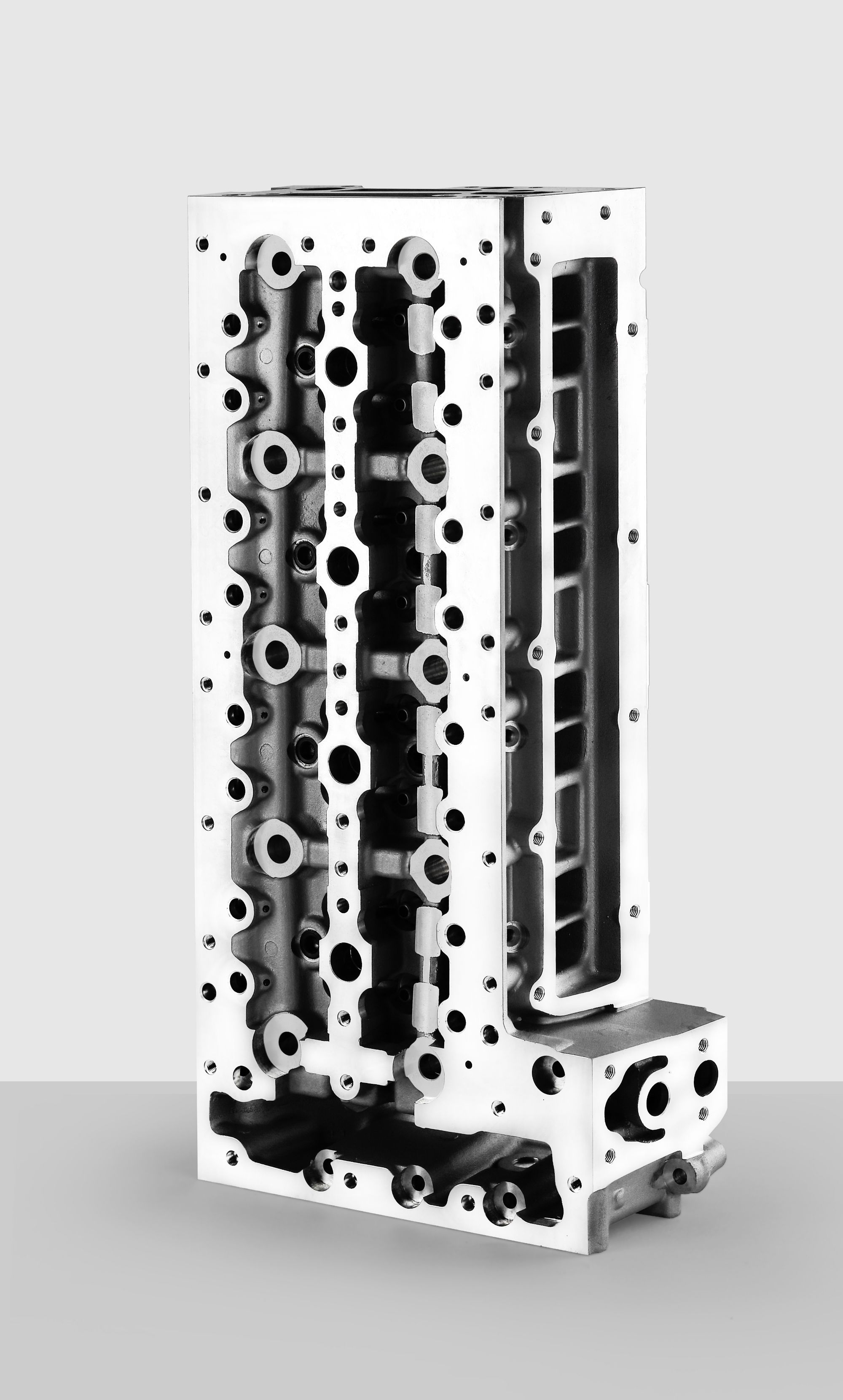
When you hold a forged component in one hand and a billet-machined piece in the other, the weight feels different—even if the scale says they’re identical. That subtle shift in density comes from the internal grain structure. In a casting, the metal cools from molten form, leaving an unpredictable, random crystalline pattern that can hide microscopic voids or stress risers. It’s like building a house with a mix of bricks, pebbles, and gaps—structurally, it might stand, but under extreme fatigue, cracks find the easiest path.
A billet part starts as a solid block of wrought material that has already been hot-worked, compressing the grain into directional bands. Machining cuts through those bands, but the underlying integrity remains far more uniform than a casting’s chaotic matrix. This is why critical suspension arms or steering knuckles often come from forgings or billet rather than cast equivalents: they resist crack propagation along those aligned grains. In practice, you’ll see a cast part snap suddenly with little warning, while a billet piece might bend or deform first, offering a chance to catch the failure before catastrophe.
The real-world difference also lives in repairability and modification. A cast component is what it is—welding on it is a gamble because the base material becomes brittle near the heat-affected zone unless you’re an expert and the alloy is forgiving. Billet parts, particularly from 6061-T6 or 7075 aluminum, take welds more predictably if properly post-treated. And when you’re customizing, machining an existing billet blank is simpler than scanning and re-creating a cast shape. It’s not that cast is always inferior—it’s lighter and cheaper when the design accounts for its limitations—but once you’ve seen a bulkhead crack originate from a casting porosity, the value of that solid billet grain becomes an obsession.
Port Design Secrets: Why Shape and Size Dictate Airflow
The interplay between a port's geometry and the air moving through it is far more nuanced than simply making a hole. Even subtle changes to the inlet radius can transform a noisy, chuffing vent into one that breathes silently. A sharp edge invites turbulence as high-velocity air shears against the boundary, creating audible distortion. In contrast, a carefully flared profile encourages laminar flow, letting the air glide smoothly without generating the pressure drops that sap efficiency.
Length and cross-sectional area aren't just about tuning frequency—they directly control the air's speed and resistance. A port that's too narrow forces air to accelerate, hitting turbulent thresholds earlier and choking the output when you need it most. Over-sizing, on the other hand, can turn a well-behaved system into a boomy mess, as the mass of air in the port stops behaving predictably. The sweet spot lies in balancing these parameters so that the air column remains compliant without losing control.
What often gets overlooked is the port's internal surface finish and its effect on boundary layer behavior. A smooth, polished wall might seem ideal, but a slight texture can actually reduce turbulence by tripping the boundary layer into a more stable state. This is why some high-performance designs deliberately avoid mirror finishes, opting instead for a finely grained structure that manages airflow in ways that purely theoretical models miss.
Valve Train Geometry: The Overlooked Factor in Peak Power
Most engine builders fixate on cam profiles and port flow, yet valve train geometry quietly dictates how much of that potential reaches the flywheel. The rocker arm's arc, pushrod angle, and lifter alignment either multiply or rob valve lift, often without obvious symptoms. A seemingly minor shift in pivot height can scrub away precious area under the lift curve—and with it, a chunk of horsepower that no amount of tuning can reclaim.
The real sting comes from lost stability at high rpm. When geometry wanders off design center, side loads spike and valvetrain harmonics become unpredictable. Springs that should last a season begin to fatigue, and lofting intrudes earlier than expected. Correcting sweep patterns across the valve tip and ensuring the rocker operates in its mid-lift sweet spot often yields a measurable power bump—not from a dyno sheet magic trick, but because the valve finally spends more time at full lift where airflow matters most.
Dialing in the right pattern demands patience. Adjustable pushrods, checking springs, and careful indicator work reveal whether the rocker is rolling cleanly or scrubbing across the stem. A common oversight is forgetting that cylinder head decking, cam base circle changes, or even different valve lengths have shifted the entire system away from its designed plane. Returning it to an ideal mid-lift geometry can restore crisp throttle response and sometimes uncover power far beyond what the parts catalog suggests.
Material Choices: When Aluminum Outshines Iron (and Vice Versa)
In applications where weight and corrosion resistance dominate the design brief, aluminum tends to pull ahead decisively. Aerospace frames, bicycle components, and smartphone bodies all lean on aluminum's impressive strength-to-weight ratio and its ability to shrug off rust without extra coatings. Iron, specifically cast iron or common steel, is simply too heavy and prone to oxidation unless heavily protected, making it a poor fit for anything that needs to fly, be carried around easily, or withstand constant moisture without swelling into a pile of red flakes.
When the conversation shifts to brute durability under punishing mechanical loads, iron-based alloys—particularly ductile iron and hardened steels—reclaim the spotlight. Engine blocks, heavy-duty gears, and bridge girders thrive on iron's resistance to deformation and wear. Pound for pound, iron holds its shape at high temperatures and under repeated stress far better than aluminum, which tends to soften or fatigue prematurely in such environments. You wouldn't cast a crankshaft out of aluminum for a reason; the metal simply doesn't have the long-term grit required for pounding out thousands of power strokes a day.
Beyond mechanics, thermal and electrical demands often tip the scales in aluminum's favor. Its superior conductivity makes it the default choice for heat sinks, transmission lines, and cookware, where quick heat dissipation is key. Iron, conversely, excels where cost predictability and magnetic properties matter—think motor laminations or cost-sensitive structural anchors. The decision rarely hinges on one property alone, but understanding these trade-offs can turn a material choice into a genuine competitive advantage.
Top Contenders: The Aftermarket Heads That Actually Deliver
When it comes to aftermarket cylinder heads, the market is flooded with bold claims and shiny castings that promise massive gains but often fall short. A few manufacturers, however, have built a reputation on heads that don’t just look good in a catalog—they actually perform on the dyno and the street. Brands like AFR, Trick Flow, and Brodix consistently deliver pieces that blend intelligent port design, quality materials, and ready-to-run convenience, making them the go-to choices for builders who refuse to compromise.
AFR’s Eliminator series, for example, has earned a near-legendary status among small-block Chevy and LS enthusiasts. Their 205cc intake runner heads flow exceptionally right out of the box, often outperforming ported stock castings without the headache of custom machining. Trick Flow’s Twisted Wedge heads take a different approach with rotated valve angles that unshroud the valves and improve mid-lift airflow—a design that translates to real-world torque where most engines spend their time. Brodix, on the other hand, leans on decades of racing heritage to produce heads like the Track 1, which strike a rare balance between high-RPM power and part-throttle manners.
What sets these contenders apart isn’t just peak flow numbers but the attention to detail that eliminates common pitfalls. They typically come with premium valves, springs matched to the intended cam profile, and surface finishes that require minimal prep. Rather than chasing a single flashy spec, they focus on the entire combustion package, ensuring that the head works as a cohesive unit. For anyone tired of sifting through exaggerated marketing, these are the pieces that quietly deliver where it counts—under the valve covers and on the road.
FAQ
It comes down to how well the head manages airflow, combustion, and heat. The best ones have precision port designs, optimized valve angles, and materials that hold up under extreme conditions without adding unnecessary weight.
It depends on your goals. If you're chasing better throttle response or towing capacity, a well-matched head can make a noticeable difference. But for a stock commuter, the gains might not justify the cost unless you're also tuning other components.
Aluminum sheds heat faster and trims weight off the front end, which helps handling. Cast iron is tougher under extreme boost but can be a heat soak in tight engine bays. Most performance builders lean aluminum for the balance of strength and thermal efficiency.
Larger valves can flow more air at high RPM, but go too big and you'll lose low-end velocity, making the engine feel sluggish. It's a trade-off where the right diameter matches the cam profile and intended powerband.
A skilled porter can unlock impressive flow numbers, but there's a ceiling. Castings designed from scratch with raised runners and reshaped bowls often outflow even the best ported factory heads, especially at high lift.
Cathedral ports tend to maintain charge velocity better at mid-range RPM, giving a wider, usable power curve. Rectangular ports shine on top-end screamers where peak airflow trumps low-speed manners.
A well-designed chamber with proper squish areas and a smooth finish reduces hot spots that cause pre-ignition. It lets you run more timing or boost without knock, which directly translates to safer power gains.
Conclusion
Selecting the right cylinder heads transforms an engine’s entire character, unlocking horsepower that stays hidden with restrictive castings. It’s not just about bigger ports or higher lift—it’s about how the shape and size of the runners manage air velocity and turbulence. A well-designed port keeps the mixture atomized and moving efficiently, avoiding the dead zones that kill power under the curve. Meanwhile, the debate between cast and billet housings goes beyond price; cast heads offer excellent thermal stability for street engines, while billet allows intricate port geometries that can exploit the ragged edge of racing combustion. Add in often-overlooked valve train geometry—pushrod length, rocker arm ratio, spring pressures—and you’re dialing in the precise mechanical harmony that turns airflow into torque, not valve float.
Material choice further separates the good from the great. Aluminum sheds heat faster, resists detonation, and shaves critical weight off the nose, making it the go-to for forced induction or lightweight builds. Yet iron still holds advantages in extreme endurance scenarios where prolonged heat cycling could soften aluminum, and its density damps harmonics that eat valvetrain components. The aftermarket delivers options that actually honor these engineering principles—think chambers refined on flow benches, CNC-machined profiles that repeat every batch, and designs that shorten the spark plug reach to center the flame kernel. Whether you’re hunting tenths at the strip or building a crisp-responding street mill, the top contenders blend these factors into a package that raises the engine’s ceiling without sacrificing manners. It’s the difference between an engine that simply runs and one that asserts its personality with every throttle blip.
Contact Us
Contact Person: Shelly
Email: [email protected]
Tel/WhatsApp: 8613967667688
Website: https://www.yongyu.com/