

Tissue Rewinding Machine Supplier Selection Guide for Tissue Manufacturers
2026-11-02
Every tissue manufacturer knows the pain of a rewinding machine that underperforms—downtime, waste, and frustrated operators. Choosing the right supplier isn't just about specs; it's about finding a partner who understands your production floor. From roller precision to after-sales support, the wrong call can quietly drain your margins. That's where a clear-eyed selection guide becomes invaluable. At DAXIN, we've seen firsthand how the right rewinding line transforms output and how the wrong one stalls it. This guide cuts through supplier noise, giving you the practical criteria to evaluate candidates without the fluff—so your next machine purchase feels less like a gamble and more like a strategy.
Where Rewinder Builders Tend to Cut Corners
It rarely starts with the parts you can see. The first thing to go is usually the frame. A lighter gauge of steel might look fine on a spec sheet, but once the machine is running at full tension, that slight flex in the side plates becomes a constant source of vibration. It shows up later as uneven winding, edge misalignment, or premature bearing wear. You won’t catch it during a quick demo, but after a few thousand cycles the difference is obvious.
Bearings and rollers are another quiet spot for savings. Some builders use open bearings that need frequent lubrication, or rollers that haven’t been dynamically balanced. The machine still spins, but the runout gets worse over time. Then there’s the tension control. Cheaper builds often rely on a single load cell or a simple dancer arm with limited adjustability, which makes it hard to hold consistent tension across different materials. Operators end up compensating manually, which defeats the purpose of a rewinder in the first place.
Electrical and safety details are also easy to skimp on without most buyers noticing. Wiring may be bundled loosely, sensors placed in hard-to-access spots, and e-stop circuits kept to the bare minimum. You might also see a thinner powder coat or unpainted areas inside the frame that invite rust in humid environments. None of these shortcuts will stop the machine on day one, but they all add up over years of daily use, turning what should be a reliable tool into a maintenance headache.
Matching the Machine to Your Grade Mix Without Guesswork
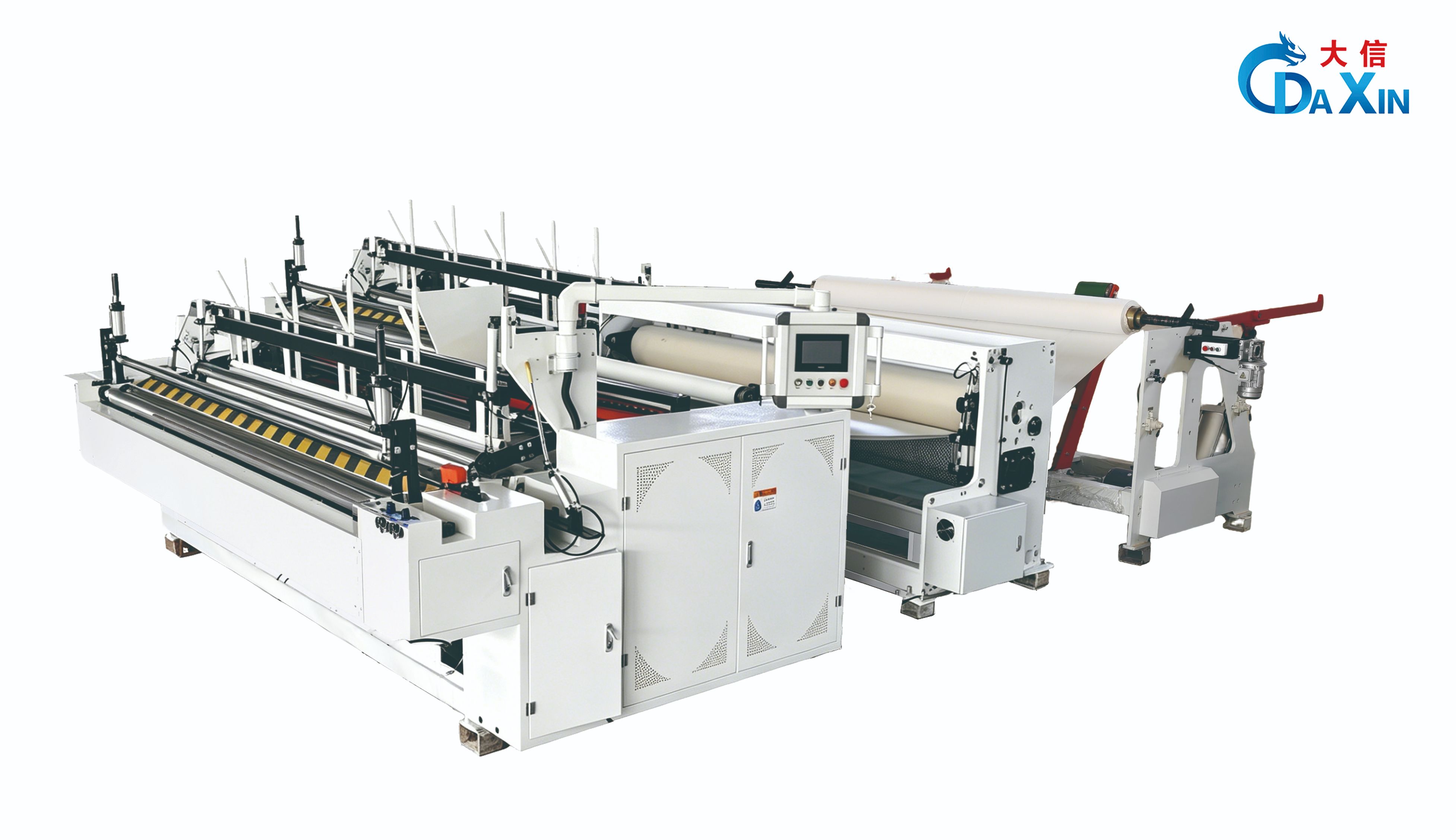
Start by pulling apart the actual grade mix you run on a typical week. Too many operations pick a machine based on a brochure or a competitor's setup, then wonder why recovery drops. Write down the percentage of each grade, the particle size spread, and how those inputs arrive at the feed point. That baseline tells you whether you need a high-torque slow-speed unit or a conventional high-speed rotor before you talk to any vendor.
Once you have the numbers, test them against the machine's true throughput at each grade, not just the headline capacity. A unit that chews through clean, uniform material may choke on a 30% mix of fines and odd-shaped scrap. Ask for a demo with your own material, or at least a detailed time study on a comparable mix. Watch how often the operator has to adjust settings, clear jams, or slow the feed. Those interruptions are the hidden cost of a mismatch.
Finally, don't lock yourself into a single setting. The best match is a machine that lets you shift rotor speed, screen size, or feed rate in minutes when the grade mix changes. If you're blending more light fraction this month, you'll need a different profile than when heavy rigid plastic dominates. Document the adjustments and track output quality over a week. That beats any guesswork and keeps the line balanced without constant crisis management.
Factory Acceptance Tests That Go Deeper Than Speed
A fast cycle time can hide a lot of sins. The real question during a factory acceptance test is whether the machine holds tolerance after eight hours of continuous cycling, not just whether it hits the promised throughput in a five-minute demo. Thermal drift, seal wear, and control-loop instability all show up later, and they rarely announce themselves politely.
That’s why we push beyond headline numbers. We stage deliberate interruptions, run the equipment on the edge of its rated duty cycle, and watch how the software recovers from a mid-cycle abort. If a safety function trips, does the sequence resume without an operator having to rebuild context? Does a sensor fault get logged or just ignored? Those are the details that separate a vendor’s best day from the machine you actually have to live with.
Checking Spare Parts Reality Before You Commit
A spare parts list can look complete on a screen and still leave you stranded halfway through a repair. Before you commit to a purchase, pull the actual shelf stock rather than trusting a database count. Open the boxes, check for corrosion, verify part numbers against the machine's serial range, and ask whether the supplier has handled returns on that specific item before. A quick physical check now costs far less than discovering a mismatch after the old component has been removed.
It's also worth confirming the source of the parts. Some vendors mix new old stock with aftermarket copies that fail early or don't seat properly. If the price seems unusually low, ask for batch photos, date codes, and any test certificates. For critical assemblies, request a short video of the part being inspected or measured. This extra step filters out listings that look real in a catalog shot but won't survive field conditions.
Involving Operators Early to Avoid Buyer's Remorse
Procurement decisions often happen in a boardroom, far from the people who will actually use the tool every day. When operators are handed a new system only after the contract is signed, the mismatch between their workflow and the software becomes painfully obvious. Involving them from the very first requirements meeting means you hear about the small, daily frictions that a spec sheet never captures—like how many clicks it takes to close a work order or whether the interface works with gloved hands.
Early involvement is not just about asking for opinions. It means putting operators in front of live demos and letting them run through real scenarios from their shift. One warehouse team avoided a costly mistake when an operator pointed out that a proposed barcode scanner could not read labels through shrink wrap. That kind of detail only surfaces when the end user is part of the evaluation, not a bystander to it. A focused pilot with operator feedback loops before rollout catches these issues while changes are still cheap.
The payoff shows up after go-live. Operators who had a hand in the selection process treat the new tool as their own rather than something imposed from above. Training time drops because they already understand the logic behind the choices. And when the inevitable hiccups appear, the team troubleshoots together instead of blaming the purchase. Spending a few extra days early on saves months of resentment and rework later.
Daily Production Numbers That Tell the Truth
Most dashboards bury you in vanity metrics, but daily production numbers strip away the noise. They reveal the actual rhythm of your operation—where the line jams, which shifts underdeliver, and when a “steady week” is really a rollercoaster of peaks and crashes. The truth isn't in the monthly average; it’s in the scatter of Thursday afternoons and Monday mornings.
A useful daily log doesn't just count units. It pairs output with context: machine downtime, material delays, staffing gaps, even weather if it matters. Without that, a drop from 420 to 310 looks like a motivation problem when it was actually a two-hour conveyor fault. Honest numbers force you to ask better questions instead of blaming the crew or the calendar.
The teams that improve fastest treat daily numbers like a mirror, not a scoreboard. They post them by 9 a.m., discuss anomalies at stand-up, and adjust the same day—not at the end of the quarter. Production truth is perishable. If you're only looking backward, you're already behind.
FAQ
Map your own production targets first - roll diameters, core sizes, embossing patterns, and expected line speeds. Suppliers that ask about these specifics before quoting are generally more serious than those that send a generic brochure.
Ask how their rewinders handle low-basis-weight sheets without wrinkling or breaking. A knowledgeable supplier will mention tension control zones, web guiding accuracy, and perforation blade positioning rather than only listing motor power.
Look beyond maximum speed. Pay attention to acceleration and deceleration rates, automatic reel changeover time, and tail sealing reliability. A machine that runs at 600 m/min but loses five minutes per splice can be slower over a shift than a 450 m/min machine with fast changeovers.
Check the expected lifetime of perforating blades, rubber rollers, and bearings. Also ask about air consumption per ton of tissue and the recommended spare parts inventory value. These running costs often outweigh a small difference in the upfront price.
Enough to reject a supplier without local service engineers or verified remote diagnostics. A rewinder down for three days costs more than the price difference between suppliers. Request a written response-time commitment and names of technicians who would actually handle your region.
Vague answers about past installations, reluctance to share customer contacts, or quoting without a technical site survey. Also be cautious if a supplier pushes a standard model without asking about your specific tissue grades or plant layout.
Not automatically, but local support shortens the feedback loop for training and urgent repairs. If choosing overseas, verify whether they have a stocking warehouse for critical parts in your country or at least a bonded repair partner nearby.
Conclusion
Choosing a tissue rewinding machine supplier rarely comes down to catalog specs. The first thing to probe is where a builder tends to cut corners—frame stiffness, bearing quality, or the control system's response under speed changes. These are not always visible on a shiny demo floor. A better approach is to work backward from your own grade mix. If your plant runs a wide spectrum from virgin bath tissue to recycled towel with different basis weights, the supplier should show you specific roll density and winding tension curves for each grade, not a single generic performance chart. The goal is to remove guesswork before the purchase order is signed.
Factory acceptance tests need to go deeper than top speed. Ask the supplier to run your actual parent rolls—or at least comparable ones—while measuring vibration, noise, and log hardness variation across multiple cores. At the same time, check the spare parts reality. A low upfront price means little if critical wear components have 16-week lead times or are single-sourced from a distant factory. Bring operators into the review early; they will spot ergonomic and access issues that engineers often miss. Once the machine is installed, track daily production numbers honestly—unplanned stops, splice failures, and reject rolls matter more than a short burst of maximum output. Buyers who ignore these details often end up with a fast machine that cannot hold a schedule.
Contact Us
Contact Person: Sam Xie
Email: [email protected]
Tel/WhatsApp: 86-18938538530
Website: https://www.daxin321.com/