

Stainless Steel Flat Washers Distributor: Essential Tips for Finding a Trusted Partner
2026-11-02
Stainless steel flat washers are the kind of part nobody thinks about until one fails. If you're sourcing them in volume, a distributor's promises can sound identical, but the consequences of a bad batch—rust spots, dimensional drift, delayed shipments—are anything but. This guide cuts through the noise, laying out the practical checks you need, from material certification to inventory transparency. Along the way, we'll show why a partner like Wanluo consistently rises to the top for buyers who refuse to gamble on quality.
Ask for a Mill Test Report Before Your First Quote
A mill test report isn't a formality you chase after a purchase order lands—it's the quickest way to separate suppliers who actually control their material sourcing from those who just hope for the best. By requesting the MTR alongside your first quote, you force the conversation toward traceability, heat numbers, and mechanical properties before price becomes the only talking point.
Think about what happens when you skip this step. A low bid looks attractive until the material shows up with no paperwork, no chemical composition data, and no way to verify it matches the grade your project specifies. That "saving" evaporates the moment you have to pay for independent testing, hold up fabrication, or explain to a client why the steel can't be certified.
Smart buyers treat the MTR request as a filter, not an afterthought. If a supplier hesitates, gives you a vague "we'll provide it later," or suddenly can't find the document, that's your signal to move on. Legitimate mills and reputable distributors keep these reports on file and won't blink at sharing them before you commit to a number.
Send a Trial Order for Mixed Sizes and Finishes
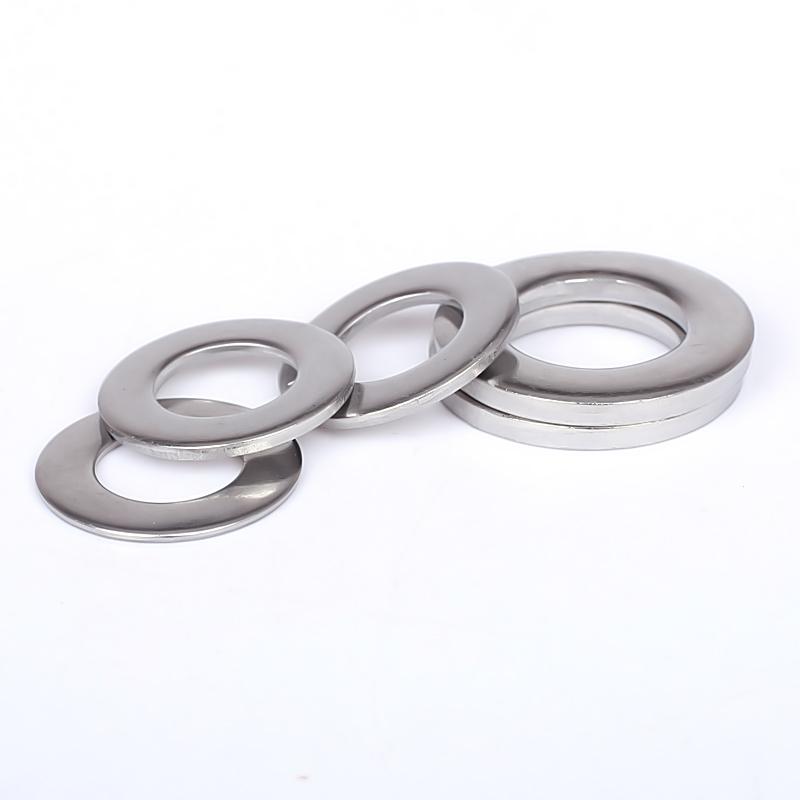
Trial orders that mix sizes and finishes often reveal more than a single uniform sample run. You get to see how the shop handles changeovers, whether the anodizing or powder coating stays consistent from one batch to the next, and whether tolerance drift appears only in certain dimensions.
Request a few units from each size and finish combination rather than one of each. Small quantities can strain setup costs, but this is the moment to ask for actual production-line samples, not hand-picked prototypes. If a supplier pushes back, that's useful information on its own.
When the mixed trial arrives, inspect the parts side by side. Pay attention to edges, hole positions, coating thickness, and any color shift between finishes. Use what you find to adjust the final order or the incoming inspection checklist before the full run.
Compare Their Inventory List to What They Actually Ship
A packing slip can look flawless on paper while the actual cartons tell a different story. Put the inventory list side by side with the unboxed shipment and go line by line, not just top-level SKU counts. Check unit quantities, model numbers, color variants, and even revision codes. It is the only way to catch swaps like a 'compatible' substitute that no one mentioned.
Look for patterns rather than isolated mistakes. A single miscounted box may be human error; three missing cartons across two different SKUs often signals a supplier testing your attention. Pay special attention to items that are easy to hide: cables, adapters, brackets, or anything packed loose. If the list says 200 units but the inner cartons contain 10 per master pack, count the masters first, then sample a few inners at random.
Do the comparison before accepting the freight or before the delivery window closes, whenever possible. Photograph the labels, the opened boxes, and the packing slip in one frame. This gives you leverage for disputes and makes it harder for the shipper to claim the shortage happened after delivery. Over time, these comparisons reveal which suppliers inflate their lists and which ones actually deliver what they promise.
Find Out How They Inspect for Burrs and Edge Quality
Most shops start with a simple gloved fingernail drag across a machined edge. If the nail catches, even slightly, the part gets flagged for a closer look. That tactile check catches a lot of rolled-over material and sharp slivers that a quick visual scan might miss. Under a 10x loupe or a stereo microscope, those same edges often reveal a folded burr sitting right at the corner where the tool exited the cut. Lighting angle matters more than people expect—low raking light across the surface makes tiny burrs throw shadows and stand out immediately.
For tighter tolerances, shops move beyond the thumbnail test. A profilometer or a dedicated edge inspection system can trace the actual cross-section and give a burr height in microns. Optical comparators work well for larger features, but they struggle with very small burrs hiding in internal corners, so many quality labs now use focus variation microscopy or laser line scanners instead. These tools stitch together thousands of profile points along the edge and flag any peak that rises above the nominal surface. The real advantage is repeatability: a human inspector might get tired by the third tray of parts, but a scanner records the same criterion every single time.
Acceptance limits depend heavily on what the part does next. A hydraulic valve spool might allow almost nothing—maybe 10 to 25 microns of positive burr—because a loose sliver could jam the entire assembly. A sheet metal bracket headed for powder coat can tolerate more, though shops still remove sharp edges for worker safety. Good inspectors also check burr root condition, not just height. A thin, weakly attached burr is often worse than a short, well-adhered one, because it can break off later inside a customer’s product. This is why many inspection reports include both a maximum burr height and a note on whether any burr showed signs of cracking at the base.
Test Their Response Time on a Non-Urgent Question
Send a low-stakes message that doesn’t require instant attention—ask for a restaurant suggestion, a podcast recommendation, or their take on a new show. Then watch how long it takes them to reply. This isn’t about expecting a reply in ten minutes; it’s about noticing whether they circle back within a reasonable window when there’s no pressure on their end. People who value the connection usually find a free moment to respond instead of leaving the thread quiet for days.
Look at the pattern rather than one isolated delay. If a simple question sits unanswered for over 24 hours while they’re clearly active elsewhere, that tells you something. In contrast, someone who apologizes for a late reply or briefly explains they got caught up at work shows they care about the exchange. A useful comparison is how fast they respond when they need a favor or an answer from you.
Don’t overreact to a single missed reply—schedules get messy. But when non-urgent questions consistently go ignored for long stretches while they still post updates or stories, the message is clear. It’s less about counting minutes and more about whether they treat your attempt to connect as a priority or an afterthought.
Check for Both 18-8 and 316 Stock Under One Roof
When you're switching between marine-grade 316 and everyday 18-8 stainless, the last thing you want is to split orders across two vendors or wait on backorders. A single warehouse that actually carries both alloys means you can pull hex bolts, washers, and nuts from the same bin run without second-guessing whether the right material ended up on the shelf. It's not just convenience; it's about keeping traceability simple when one job calls for better corrosion resistance and the next just needs standard rust protection.
Too many stock lists look fine on paper but fall apart when you ask for 316 in a less common diameter or a specific thread pitch. Checking for both 18-8 and 316 under one roof means verifying physical inventory, not just line items. Look for bin labels that separate the two grades clearly and ask whether the warehouse also keeps mill test reports for both alloys in the same filing system. That detail matters when an inspector walks the floor or when a client wants proof the hardware won't pit near saltwater.
Another practical angle is mixed-cart shipments. If one SKU of 316 is missing and the distributor quietly substitutes 18-8, a fastener that looks identical can fail early in the field. A source that stocks both grades under one roof and enforces separate picking locations reduces that risk. Before you place a large order, ask for a pull test or a quick photo of the bin tags—it takes a minute and tells you whether the inventory depth is real or just a website claim.
FAQ
Ask for mill certifications that list the exact alloy, such as 304 or 316, plus the heat number. A reliable distributor will keep these on file and provide them without delay. If they only offer a generic 'stainless steel' label, dig deeper before committing.
Check their stock depth across diameters, thicknesses, and inner holes. A partner worth keeping often stocks less common sizes like #6 narrow series or 1-3/4 inch OD with 1/2 inch ID, and can quote custom cutting or stamping without long lead times.
Yes, it can affect corrosion resistance and cleanability. Ask whether they offer passivated, electropolished, or unpolished finishes, and whether they understand regulations for food, medical, or marine environments. The best distributors will recommend a finish based on your exposure conditions rather than just selling what's on the shelf.
Look for moisture-resistant packaging, clear labels with size and material, and options for bulk or individually bagged quantities. If washers arrive mixed or unmarked, that's a red flag. A careful distributor will protect surfaces from scratching and keep batches separate for traceability.
Send a specific inquiry with tight tolerances or a mixed order and see how they handle it. Do they ask good questions, suggest alternatives, or simply push the closest match? A trusted partner will confirm details in writing and give realistic lead times rather than promising overnight magic.
It depends on your downtime tolerance. Local suppliers can offer same-day pickup, while multi-warehouse distributors may have broader inventory but longer transit. Balance your emergency needs against the cost of holding safety stock, and ask about their stock transfer policies between branches.
Be wary of vague material descriptions, reluctance to share certifications, inconsistent pricing, or no clear process for returns or non-conforming parts. Also check whether they understand the difference between work-hardened and annealed stainless, because that affects how washers perform under load.
Conclusion
Finding a stainless steel flat washers distributor you can actually rely on comes down to a few practical checks. Before placing your first quote request, always ask for a Mill Test Report; if they hesitate or offer only vague assurances, that's a red flag. A smarter move is to send a small trial order covering mixed sizes and finishes—this shows how they handle real picking and packing, not just how they talk. Once it arrives, compare their stated inventory list against what's actually in the box. You'd be surprised how often a supplier claims to have items on hand but ships from a third party without telling you. Also, don't overlook their response time on a simple non-urgent question; a distributor that takes days to answer a basic inquiry will likely vanish when something goes wrong on a deadline.
Quality control is another area where cheap distributors cut corners. Specifically ask how they inspect for burrs and edge quality on flat washers. A rough edge can damage mating surfaces or cause improper seating, so the best distributors will describe a deburring or tumbling process rather than just saying "good quality." Finally, check whether they stock both 18-8 and 316 stainless steel under one roof. Many smaller suppliers only carry 18-8, but if your application involves saltwater, chemicals, or high corrosion risk, you need 316. Having both grades available from a single source simplifies ordering and indicates a deeper inventory commitment. These steps may feel like extra work upfront, but they quickly separate a genuine long-term partner from a middleman chasing quick sales.
Contact Us
Contact Person: Shane
Email: [email protected]
Tel/WhatsApp: 8613357785029
Website: https://www.wanluohardware.com