

Private Label Cat Litter Deodorizing Beads: The Secret to Odor-Free Homes
2026-07-25
If your cat’s litter box is the one thing holding your home back from feeling truly fresh, you’re not alone. The constant battle against stubborn odors can leave even the most devoted pet parents frustrated. But what if the fix was simpler than you thought—and right under your nose? Enter private label cat litter deodorizing beads, a discreet yet powerful way to neutralize smells at the source. And when it comes to quality you can trust, Tundrr has mastered the formula, offering a customizable solution that keeps homes smelling clean without any complicated routines. Ready to uncover the secret to an odor-free space? Let’s dive in.
Why These Tiny Beads Outperform Traditional Litter Fresheners
Most traditional fresheners rely on masking odors with heavy perfumes, which often end up creating a cloying, artificial scent that can irritate both cats and their owners. These tiny beads take a totally different approach—they work by absorbing moisture and trapping ammonia at the source, neutralizing smells before they ever have a chance to spread. Because they don’t just cover up the problem, your litter box actually stays fresher for longer without that overwhelming chemical fragrance.
Another overlooked advantage is their silica gel composition, which holds onto moisture more efficiently than powdered deodorizers or clay-based additives. Rather than clumping into soggy messes or turning to mud, the beads remain dry to the touch and simply change color to signal when they’re full. This means far less daily sifting for you and a consistently dry surface that cats genuinely prefer, reducing the chances they’ll reject the box.
Longevity is where they truly shine. A single layer of beads can outlast several back-to-back applications of conventional freshening powders, which clump, break down, or lose effectiveness quickly. That translates into fewer refills, less waste, and more money saved over time—all while keeping the litter area virtually odor-free without any dusty residue floating into the air.
The Science Behind Long-Lasting Odor Control
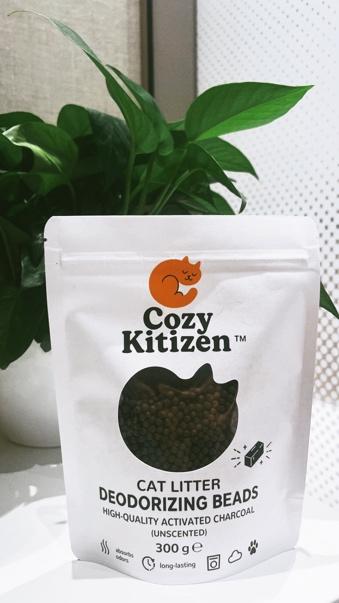
Most odors we encounter are volatile compounds that easily evaporate and travel through the air. Whether it's from sweat, cooking, or mold, these tiny molecules bind to receptors in our nose, sending signals to the brain that we interpret as a smell. Short-term fixes like air fresheners just mask them with stronger scents, but true long-lasting control demands a different approach—one that neutralizes or traps the odor at its source and keeps working over time.
One effective method is molecular encapsulation, where active ingredients form a cage-like structure around each odor molecule, rendering it inert. Cyclodextrins, for example, are ring-shaped sugars that can capture and lock away aromatic compounds. Once trapped, the odor can’t reach your nose. What makes this method lasting is that the encapsulated complex remains stable and continues to function even as new odor molecules are generated, gradually depleting the source rather than just covering it up for a few minutes.
Another key factor is controlled release of neutralizing agents. Instead of dumping all the active ingredients at once, advanced formulas use polymers or microspheres that slowly discharge deodorizers in response to triggers like moisture or pH changes. This on-demand release means the product stays effective for days or weeks, not just hours. It mimics how natural systems work—steady and responsive, unlike the quick burst-and-fade of aerosol sprays. That’s why some products can keep a bathroom or gym bag fresh long after others have given up.
Customizing Your Brand: A Business Opportunity Unlocked
Every time a customer picks up a product, they’re not just buying an item—they’re stepping into a story. The brands that thrive are the ones that hand over the pen, letting people co-author that tale. Customization flips the script from “Here’s what we made” to “Let’s make something yours.” It’s a subtle shift that transforms a transaction into a moment of creative partnership, and that emotional hook is nearly impossible to replicate through mass production.
Think beyond monograms and color choices. Real personalization lets clients shape the core experience—selecting materials that match their values, adjusting features to fit daily rituals, or embedding details that only they would recognize. When you allow that depth of involvement, you unlock a different tier of loyalty. People don’t just advocate for what they bought; they advocate for what they helped build. That word-of-mouth isn’t driven by discounts—it’s driven by pride of ownership.
The business angle here isn’t complex. Custom products command higher margins because they’re perceived as premium, one-of-a-kind solutions rather than commodities. You’re selling a piece of identity, and pricing becomes secondary to the value felt. Small batches, made-to-order workflows reduce inventory risk, while the data gathered from customer choices becomes a goldmine for future innovation. The opportunity isn’t just about offering another SKU; it’s about becoming irreplaceable in someone’s daily life.
From Multi-Cat Chaos to Guest-Ready Freshness
When you share your home with several cats, the ordinary quickly becomes a comedy of errors. One minute everything is calm, the next a plastic bag skitters across the floor pursued by a blur of fur, and a carefully placed throw pillow becomes the prize in a tug-of-war you never authorized. This daily symphony of skirmishes isn't just amusing—it leaves a trail of scattered litter, fur-tufted upholstery, and an ambiguous odor that seems to defy all your cleaning efforts.
The real challenge arrives when the doorbell rings. Suddenly, you're scanning the living room through a guest's eyes: the cat tree strategically positioned like modern art, the scratching post shedding sisal confetti, and—somehow—a lone toy mouse floating in the water bowl. It's not about hiding the fact that cats live here; it's about resetting the space to a state that doesn't shout "multiple animals in charge." That means trapping airborne fur before it blankets every surface, attacking the biological stains that regular cleaners ignore, and leaving behind a scent that suggests fresh air and order, not a kennel.
So how do you bridge the gap between feline pandemonium and welcoming freshness? It starts with a routine that treats odor and mess at the source. Enzyme-based cleaners dismantle the proteins in urine and dander that turn stale fast. A high-filtration vacuum run over furniture and baseboards daily catches what you can’t see floating. And when time is short, a quick pass with a lint roller over the couch and a simmer pot of citrus and herbs can fool the nose long enough to greet guests with confidence, not apologies.
A Closer Look at What’s Inside (And What’s Not)
Opening up a device or package often reveals more about its intent than any spec sheet ever could. The arrangement of components, the choice of adhesives over screws, the deliberate gaps—it all tells a story. Sometimes you find thoughtful touches: a spare seal, a well-routed cable, a tiny silica packet tucked into a corner. Other times, you’re met with blank spaces where a feature clearly used to live, or a connector that looks lonely and unpopulated.
What’s genuinely worth noting is the quiet attention given to things most people never see. A heat spreader that aligns perfectly with the chassis, shielding that curls around a sensitive trace, or a battery outline that suggests they could have gone bigger but chose balance instead. These choices aren’t accidental. They speak to priorities—cooling over cost, durability over a few grams shaved off. Then there are the disappointments: an empty SD slot blank, a missing magnetic element, or a daughterboard that feels like it should be doing more.
And then there’s what’s missing entirely. No extra screws for the ones that strip easily. No spare solder pads for tinkerers. No hint of a future upgrade path, just a closed ecosystem staring back at you. It’s a reminder that design is as much about omission as inclusion. Every blank spot is a conversation about what the makers assumed you’d never need—or what they wanted you to pay for next time.
Simple Steps That Transform Any Litter Box Setup
A fresh, well-placed litter box can change the whole mood of your home. Start by moving the box to a low-traffic area where your cat can feel safe and undisturbed. Even a small shift away from noisy appliances or busy hallways makes a noticeable difference in how often your cat uses it without hesitation.
The type of litter you choose matters more than the brand name. Experiment with unscented, clumping varieties that produce less dust—cats often shy away from heavy perfumes. Scoop at least once a day and fully replace the litter every couple of weeks. This routine keeps smells in check and encourages consistent use, without any tricky training.
Think beyond the box itself. Adding a mat underneath traps stray litter and simplifies daily cleanup. If you have more than one cat, provide one box per cat plus an extra, placed in separate rooms. These small adjustments won’t cost much, but they turn a basic setup into a stress-free zone that fits naturally into your daily rhythm.
FAQ
They're small, scented granules that you mix into any cat litter to neutralize odors at the source. The beads are infused with odor-absorbing compounds and fragrances that trap and break down ammonia and other smell-causing molecules from urine and feces, releasing a fresh scent steadily over time instead of just masking the stench.
Absolutely. Beyond standard lavender or citrus, you can develop exclusive blends like ocean mist, bamboo charcoal, or even seasonal scents. The goal is to create a signature aroma that your customers will associate only with your brand, making it memorable and hard to replicate.
Safety is a top priority, so the beads are made from non-toxic, hypoallergenic materials and essential-oil-based fragrances. They're dust-free and won't cause respiratory irritation, making them suitable for sensitive cats. Still, it's smart to monitor any new product introduction, just as you would with any litter additive.
They're designed for high-traffic litter boxes. A single dose can keep odors at bay for up to a week, even with multiple cats. The slow-release technology means you're not constantly re-applying, and because they don't clump or break down quickly, they maintain effectiveness longer than sprays or powders.
Not at all. The beads are added in a small ratio that doesn't interfere with litter texture or moisture absorption. Clumping litter still forms solid clumps, and the beads simply get scooped out with the waste when you clean. There's no residue or slimy feel left behind.
Private label lets you control everything—scent, packaging, bead size, and even the concentration of deodorizer. You're not just reselling a generic product; you're building a brand experience. It gives you higher margins, customer loyalty, and the ability to pivot quickly based on feedback, something off-the-shelf products can't offer.
After you sign off on a sample, production and packaging usually take about four to six weeks, depending on the complexity of your label design and order size. Rush options are sometimes available if you need to meet a specific launch date. The key is having clear artwork and specs from the start to avoid back-and-forth delays.
Conclusion
Most litter fresheners just mask odors with heavy perfumes or rely on basic baking soda that loses its edge within a day. Private label cat litter deodorizing beads take a radically different approach. Each tiny sphere is engineered with a porous core that traps ammonia and sulfur-based smells at the molecular level, while a slow-release enzymatic coating continuously breaks down odor-causing bacteria. Unlike scented powders that can irritate feline noses, these beads are fragrance-free or subtly scented with pet-safe botanicals, keeping the litter box area truly neutral rather than perfumed-over. The formula also avoids harsh chemicals, clumping agents, or dusty fillers—what’s not inside matters just as much as what is. For cat owners, this means a single sprinkle works for days, not hours, and there’s no sticky residue or risk of respiratory irritation.
Beyond performance, these beads open a smart business avenue for anyone looking to build a branded pet care line. Customization options—from bead color and scent to packaging design—let you tailor the product to niches like multi-cat households or luxury pet boutiques. Imagine walking into a home with three cats and smelling nothing but fresh air; that guest-ready freshness becomes your brand’s calling card. Making the switch is effortless: just scatter a measured scoop across any litter type after scooping, and the beads go to work instantly without altering the litter’s texture or clumping ability. It’s a low-cost, high-impact upgrade that turns a daily chore into a quiet selling point for odor-free living.
Contact Us
Contact Person: Ellen Zhang
Email: [email protected]
Tel/WhatsApp: +86(21) 2287 6756
Website: https://www.tundrr.com/en/