

Perfume Bottle Company Shares How Custom Glass Designs Shape a Fragrance Brand
2026-11-21
A fragrance lives in the mind long after the scent fades, but before anyone lifts the cap, the bottle has already told a story. In a market crowded with fleeting trends, custom glass design has become one of the quiet differentiators behind memorable perfume brands. This post explores how a perfume bottle company turns glass into brand identity, and why working with partners like Imagine Craft Packaging can shape the way customers feel before the first spray.
Why a Custom Glass Bottle Becomes the First Note of a Fragrance
A fragrance rarely starts with the scent itself. It starts with the object in someone's hand. A custom glass bottle gives the juice a posture—broad-shouldered, narrow, heavy, delicate—so the first impression lands before the atomizer even whispers. The cool touch of the glass and the way a label sits against it form a small, silent preamble to what the wearer is about to claim.
Mass-produced packaging tends to disappear into the background. A bottle made for one composition does the opposite. Its color, opacity, and silhouette can mirror the mood of the perfume: a smoky amber for a resinous blend, a clear, sharp flank for something green and wet. That alignment makes the object feel less like packaging and more like the scent's first visible breath.
Once that connection is made, the bottle becomes part of the ritual. The hand remembers the weight, the thumb finds the cap, and the faint clink of glass on glass sets the stage each morning. By the time the fragrance reaches the skin, the bottle has already done what a good opening note should do—it has created expectation, memory, and a reason to return.
Turning Fragrance Brand Stories into Tactile Glass Details
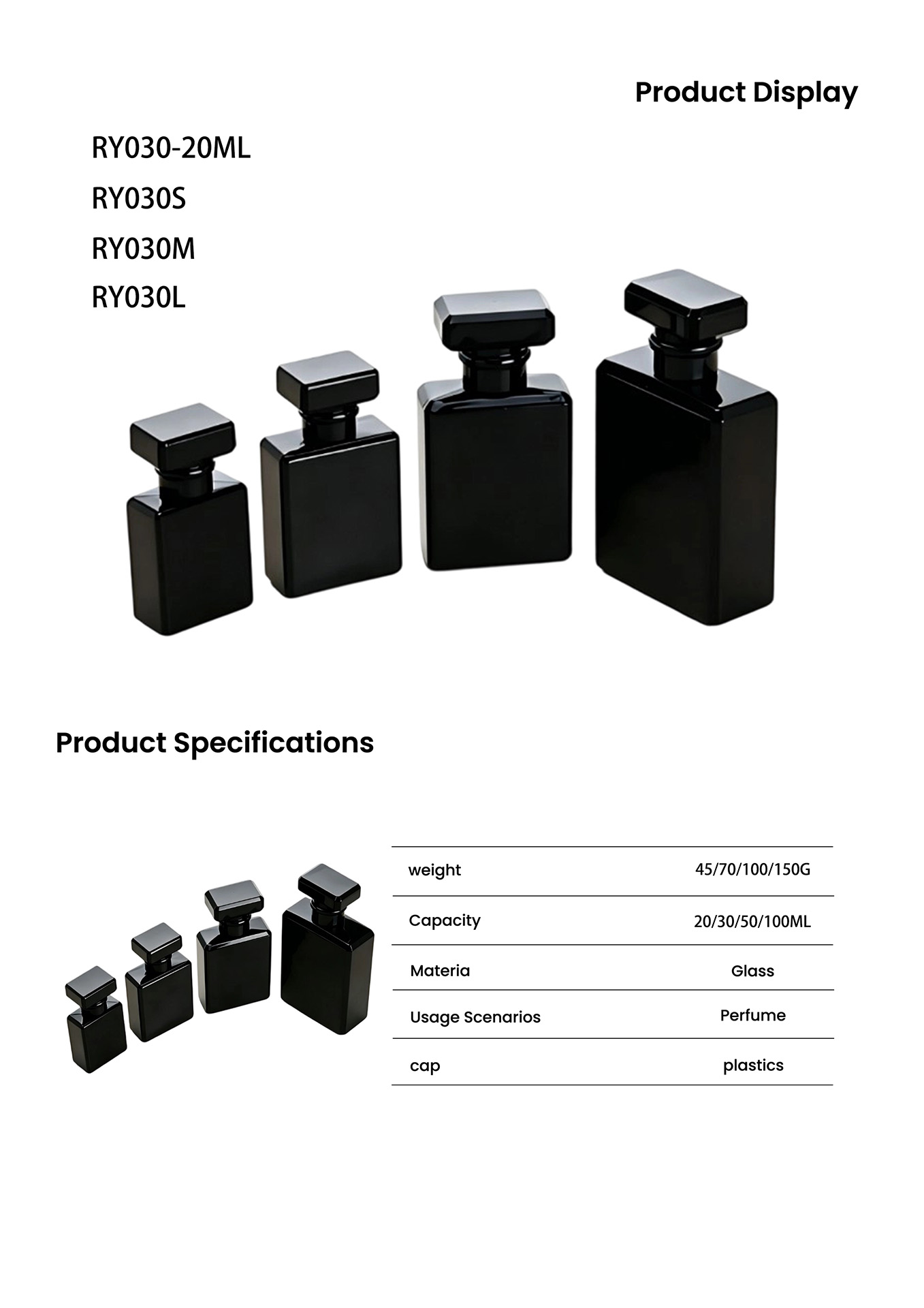
A fragrance bottle rarely starts with glass. It starts with a place, a memory, or an argument between two ingredients. The glass is simply where that story has to land. When a perfumer talks about rain on warm stone, the bottle might be frosted just enough to cloud the surface, or given a weight that makes you hold it a beat longer than expected. These choices are not decorative afterthoughts; they are the story translated into something your fingertips can read.
Texture becomes the quiet vocabulary of the brand. A ridged edge can echo the seams of a leather glove mentioned in the campaign. A hollowed base might hold light the way a particular coastline holds fog. The most interesting glass details rarely announce themselves. You notice them while turning the bottle in your hand, the way the finish shifts from smooth to subtly granular, and suddenly the brand's world feels less like marketing and more like an object you accidentally found.
What makes this tactile approach durable is restraint. Instead of printing the story on the label, the glass holds it back. A slight asymmetry in the neck, a tint that deepens near the base, a cap that clicks with an unusually low note—these small refusals of uniformity give the bottle a sense of having been made for one specific liquid, not for a shelf full of competitors. In the end, the brand story does not sit on the surface. It sits in the hand.
The Subtle Ways Weight, Texture, and Closure Shape Perception
A door that closes with a muted, heavy click tells you something different from one that snaps shut with a hollow rattle. The difference rarely registers as a thought; it lands as a feeling about the room you are entering, the people who made the door, and how much they cared. Weight works that way in most objects. A slightly denser pen, a phone with just enough heft, a remote control that does not feel like it might crack under your thumb all borrow from the same unspoken grammar. Heaviness reads as substance, but only when it feels intentional. Add too much and the object becomes tiresome, even pretentious. The trick is not weight alone but the impression that the weight belongs to something well made.
Texture pulls perception in a quieter direction. A matte, softly grained surface can make an otherwise ordinary item feel approachable, while a high-gloss finish tends to create distance, as though the object prefers to be looked at rather than held. Small irregularities matter more than smoothness because they give fingers something to understand. A slight tooth on a ceramic mug, the faint drag of uncoated paper, the cool bite of brushed metal all change how we describe the experience later. People rarely say a thing felt smooth; they say it felt expensive, warm, cheap, or clinical. Those words are not about the material itself. They are about the relationship the texture proposes.
Closure is the last and most decisive cue because it arrives at the end of an interaction. The resistance in a magnetic box lid, the soft compression of a well-fitted cap, the layered snap of a binder clip all create a brief moment of resolve. A closure that feels loose or uneven can undo the goodwill built by every other detail, while a clean, assured close can make a modest object feel considered. Designers sometimes call this the handshake at the end: the final physical contact that confirms whether the thing was worth opening in the first place. It is rarely remembered on its own, but it quietly colors whether you reach for that object again.
What Happens When Perfumers and Glassmakers Design Together
A perfumer walks into a glass workshop with a formula that smells like cold stone and wet ivy. The glassmaker listens, then asks whether the bottle should feel heavy in the hand or disappear. That first conversation changes the brief: the glass is tinted faintly green, not to match the liquid, but to pull the scent toward the memory of a shaded courtyard.
From there the collaboration becomes a series of small trade-offs. A wider neck releases the top notes faster, so the perfumer adjusts the concentration of bergamot. The glassmaker thickens the base to shift the bottle's balance, and suddenly a scent that felt sharp on paper settles into something rounder. Neither person is working alone anymore; the glass is shaping the perfume as much as the perfume is shaping the glass.
What emerges is rarely a bottle with a fragrance inside. It is closer to a shared accent. The cold weight of the glass, the angle of the rim, the way a drop collects near the lip: those details carry the same tension the perfumer built into the formula. When both crafts move at the same pace, the object stops being packaging and starts behaving like part of the composition.
How Independent Fragrance Houses Use Custom Molds to Stand Apart
In a corner of the market where a launch can sink without a large advertising push, custom molds act as the first physical argument for a fragrance. A house working with a small glass atelier might commission a mold that presses a twisted ridge into the bottle’s shoulder, or leaves a thumbprint-like hollow near the base. These contours are not decorative afterthoughts; they carry the scent’s backstory before anyone reads the name on the label.
Small runs make this kind of stubborn individuality feasible. Instead of ordering tens of thousands of identical vessels, a founder can work with a ceramicist to cast candle jars that keep the slight warp of hand-thrown clay, or have a zamak cap poured with a deliberately soft, worn edge. The result has the feel of an object passed down rather than stamped out. Because the mold itself is the expensive part, the budget goes into silhouette and touch, not foil stamping or coated paper.
The staying power is physical. A bottle that tapers into an unusually narrow neck invites being kept on a dresser long after the last spray; a candle cup with a rough underside becomes a dish for rings. By shaping the object rather than decorating it, these houses make standing apart a matter of weight, balance, and the odd small flaw that mass production cannot economically imitate.
Rethinking Luxury Glass for a More Circular Fragrance Future
For decades, luxury fragrance leaned on a familiar formula: heavy crystal bottles, vacuum-metalised collars, lacquered finishes, and caps that mix resin, metal, and magnet. These details read as expensive on a shelf, but they quietly turn a perfectly recyclable material into a single-use object. The rethink starts with a simple question: what if the bottle could be beautiful because it is easy to take apart, not despite it? That shift moves the conversation from weight and shine to material clarity, removable components, and a bottle that can actually re-enter a material stream without being smashed into low-grade filler.
A small number of houses are now designing glass as a system rather than an ornament. Thread-on pumps replace crimped collars, so the closure can be separated by hand. Labels are printed directly on bare glass with water-washable inks instead of sitting under a plastic film. Refill formats keep the outer flacon in use for years, while a lighter inner cartridge carries the liquid. The flacon itself becomes the luxury object: heavier, tactile, worth keeping, while the replaceable part stays intentionally minimal. This flips the old hierarchy, where the bottle was disposable and the juice was the only thing that mattered.
Post-consumer recycled glass is also finding its way into premium packaging, though colour consistency remains a quiet challenge. Pale green or grey tints can come through when cullet mixes unevenly, so some makers embrace softer, stone-like tones instead of forcing optical clarity. Others reduce wall thickness in non-structural areas, preserving the deep base and sharp facets that catch light. None of this works without better collection and sorting, but the design vocabulary is already moving. The next generation of luxury glass will likely feel lighter in the hand, simpler to pull apart, and far less awkward to throw away.
FAQ
A scent lives in memory before it lives on skin. The bottle gives it a first silhouette, a weight in the hand, and a way light moves through it. That physical presence can make the fragrance feel personal or distant before anyone reads the name.
Shape sets an expectation. A heavy, rounded base might suggest warmth and intimacy; a sharp, architectural profile can feel cold or futuristic. People hold the bottle while deciding to spray, so that split second of touch shapes the mood.
We start with the juice but also the story behind it. If the perfumer talks about rain on stone, we think about frosted surfaces or uneven edges. It is less about drawing a shape first and more about finding a texture, transparency, or reflection that carries that image.
The neck and cap fit. It is not glamorous, but a slightly loose cap or a rim that drips can undo the whole impression. The glass can be beautiful, but if the closure feels cheap or fragile, people remember that.
One smart path is modifying stock molds with custom finishing, like a distinctive color, matte coating, or engraved base. You do not always need a fully new shape. A subtle change in texture or weight can make a standard bottle feel proprietary.
Deep amber or smoke glass can suggest resinous, evening scents. Pale blue or clear glass often reads fresher or cleaner. Color primes the brain before the spray, so it has to match the perfume's temperature, not just the brand palette.
Weight is an invisible signal of quality. A bottle that feels too light can make the fragrance feel diluted, even if the liquid is excellent. Glass thickness and balance matter especially when someone picks it up from a shelf or table.
Yes, when one element stays consistent, like a fluted side or a particular cap silhouette, people begin to identify the brand from across a room. That recognition builds slowly, but it is stronger than any logo on the label.
Conclusion
A custom glass bottle often does more than hold a fragrance—it sets the emotional register before the scent is ever sprayed. Perfume bottle makers describe that first impression as tactile and immediate: a heavier base, a softly rounded shoulder, or a cap that clicks shut with just enough resistance can make the juice inside feel more considered. When a brand story is translated into glass, abstract notes like coastal air or smoked wood become physical details—etched ridges, tinted gradients, or a stopper shaped to recall a specific place. These choices work quietly. A slightly textured surface changes how a hand lingers on the bottle, and a well-balanced silhouette suggests permanence in ways that marketing copy cannot.
Independent fragrance houses lean on custom molds for exactly this reason. Without the budgets of major maisons, they use distinctive profiles and limited runs to avoid looking like another anonymous flacon on the shelf. Many now involve glassmakers early in development, so the perfumer’s formula and the bottle’s proportions evolve together rather than one being fitted to the other. That shift has also reshaped conversations around sustainability. Designers are testing lighter-weight walls, mono-material closures, and refillable formats that preserve a luxury feel without treating the bottle as waste. The result is a quieter definition of luxury—one measured as much by how a bottle is made, held, and kept as by how it looks on a counter.
Contact Us
Contact Person: Sunnie
Email: [email protected]
Tel/WhatsApp: +8615818596517
Website: https://www.imagine-craft.com/