

Outdoor Tiles Solutions: The Ultimate Guide to Durable and Stylish Patio Upgrades
2026-04-09
Transform your outdoor living space with durable and stylish patio tiles that combine functionality with aesthetic appeal. Whether you're considering a complete makeover or subtle enhancements, selecting the right tiles is key to creating a welcoming environment. In this guide, we delve into the latest trends and practical solutions for outdoor upgrades, featuring insights from Beata Ceramics. Discover how their innovative designs can elevate your patio, blending resilience with elegance to withstand the elements while reflecting your personal style. Ready to explore options that promise both beauty and longevity? Let's dive in and uncover how to make your outdoor oasis truly shine.
The Benefits of High-Traffic Patio Tile Materials
High-traffic patio tile materials, such as porcelain and natural stone, offer exceptional durability that stands up to constant foot traffic and weather exposure. Unlike standard tiles or wood, these robust options are designed to resist wear and tear, ensuring your outdoor space maintains its aesthetic appeal for years without frequent repairs or replacements. This longevity not only saves time and money but also enhances the overall value of your property.
In addition to their toughness, these materials often feature non-slip surfaces and low maintenance requirements, making them ideal for busy patios where safety and ease of care are priorities. They come in a variety of styles and textures, allowing for customization to match any design preference while providing a practical solution that withstands heavy usage. This versatility ensures that functionality doesn’t come at the expense of style, creating a seamless blend of form and function.
Moreover, high-traffic patio tiles contribute to a sustainable living environment by being eco-friendly and energy-efficient in many cases. Their ability to reflect heat and reduce urban heat island effects can improve comfort outdoors, while their durability minimizes waste over time. By choosing these materials, homeowners invest in a resilient, attractive patio that adapts to both daily use and long-term environmental considerations.
How to Choose Tiles That Withstand Harsh Weather Conditions
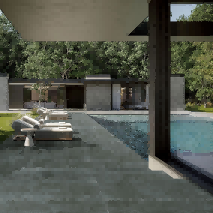
Selecting tiles that can brave the elements starts with understanding their material composition and durability ratings. For outdoor areas exposed to rain, snow, or intense sun, consider materials like porcelain or natural stone, which offer low porosity and high resistance to moisture and temperature fluctuations. Look for tiles rated for freeze-thaw cycles if you live in colder climates, as this ensures they won't crack in freezing conditions. Checking the tile's slip resistance rating is also crucial for safety in wet weather, especially on patios or pool decks where water accumulation is common.
Beyond material choice, installation and maintenance play key roles in weather resilience. Proper sealing of tiles, particularly for porous types like travertine, can prevent water infiltration and staining over time. Ensure a professional installer uses weather-resistant grout and adhesives designed for exterior use to avoid premature wear. Additionally, regular cleaning to remove debris and applying sealants as recommended can extend the tile's lifespan, keeping it looking fresh despite harsh elements.
To stand out from typical advice, focus on unique factors like regional climate trends—for example, coastal areas might require salt-resistant tiles to combat corrosion. Consider tiles with textured surfaces or earthy tones that naturally hide dirt and wear, reducing maintenance needs. Testing samples under local conditions, such as exposing them to seasonal changes, can provide real-world insights into performance, helping you choose tiles that not only endure but also enhance your outdoor space aesthetically.
Design Trends in Outdoor Tile Patterns and Colors
Outdoor tile design has shifted toward creating immersive, nature-inspired environments. Earthy tones like warm terracotta, sandy beige, and slate gray are dominating palettes, reflecting a desire to blend seamlessly with gardens and patios. These colors not only evoke a rustic charm but also offer practical benefits, such as hiding dirt and reducing glare under sunlight. Alongside solid hues, textured finishes that mimic natural stone or wood grains are gaining popularity, adding depth and a tactile quality to outdoor spaces.
In patterns, geometric layouts are making a strong comeback, moving beyond traditional grids. Think interlocking hexagons, herringbone arrangements, or asymmetrical mosaics that create visual interest and guide the eye across larger areas. This trend encourages customization, allowing homeowners to mix shapes and sizes for a unique, artistic flair. Additionally, larger format tiles are being used to minimize grout lines, giving patios and walkways a cleaner, more expansive feel that complements modern architectural styles.
Beyond aesthetics, safety and sustainability are influencing recent trends. Non-slip surfaces with subtle patterns or integrated textures are becoming essential for wet areas, ensuring functionality without sacrificing style. Eco-friendly options, such as tiles made from recycled materials or those with low VOC emissions, are also on the rise, catering to environmentally conscious buyers. Overall, the focus is on balancing beauty with durability, creating outdoor tiles that endure weather changes while offering endless design possibilities.
Installation Tips for a Long-Lasting Patio Surface
When planning your patio installation, start with a solid foundation to ensure durability over the years. Choose materials like compacted gravel or crushed stone for the base, as they provide excellent drainage and stability, preventing shifting or sinking of the surface. Level the ground thoroughly before laying the base, and consider adding a geotextile fabric to reduce weed growth and soil erosion.
Selecting the right paving materials is crucial for a patio that withstands harsh weather and heavy use. Opt for high-quality options such as natural stone, concrete pavers, or composite decking, which offer resilience against wear and tear. Pay attention to proper spacing and jointing techniques to allow for expansion and contraction, reducing the risk of cracks or buckling over time.
Maintenance plays a key role in prolonging your patio's lifespan. Seal the surface appropriately if using materials like concrete or flagstone to protect against moisture and stains. Regularly clean and inspect for any signs of damage, addressing issues promptly to prevent minor problems from escalating. With careful installation and upkeep, your patio can remain a beautiful and functional outdoor space for decades.
Maintenance Strategies to Preserve Tile Beauty and Durability
Keeping your tiles looking fresh and lasting longer isn't just about occasional deep cleaning; it starts with a smart daily routine. Instead of letting dirt and spills accumulate, gently sweep or vacuum loose debris regularly, especially in high-traffic zones like kitchens and bathrooms, to prevent scratches. For spills, wipe them up quickly using a soft, damp cloth to avoid staining, and consider using doormats to reduce tracked-in grime. This proactive approach can make a big difference, ensuring that your tiles maintain their original shine and structural integrity over the years without requiring harsh chemicals or frequent intensive scrubbing.
When it's time for a more thorough clean, choosing the right products matters more than you might think. Many off-the-shelf cleaners contain acids or abrasives that can etch or dull tile surfaces over time, especially on natural stone like marble or granite. Opt for pH-neutral cleaners specifically formulated for your tile type—ceramic, porcelain, or stone—and always test a small, hidden area first. Pair this with gentle tools like microfiber mops or soft-bristled brushes to lift grime without causing micro-scratches. This mindful method not only preserves the tile's finish but also enhances its resistance to wear, making it less prone to fading or chipping in the long run.
Don't overlook the little details that often get missed, such as sealing and grout care. Applying a high-quality sealant periodically, especially for porous materials like travertine or unglazed tiles, creates a protective barrier against moisture and stains, which can prevent discoloration and mold growth. Meanwhile, keeping grout lines clean and intact with mild cleaners and occasional resealing prevents water infiltration that could weaken the tile adhesive underneath. By integrating these targeted steps into your maintenance plan, you can significantly extend the life of your tiles, keeping them beautiful and durable for decades, ultimately saving on costly repairs or replacements.
Comparing Cost-Effective Tile Options for Different Budgets
When planning a home renovation, tile selection can significantly impact both aesthetic appeal and overall expenses. For tight budgets, ceramic tiles offer a versatile and affordable solution, often priced as low as $1 to $5 per square foot. These tiles come in a wide range of colors and patterns, mimicking pricier materials like stone or wood. While they might not last as long as higher-end options, their durability is sufficient for light-traffic areas such as bathrooms or kitchens, making them a smart choice for cost-conscious homeowners who still want style.
If your budget allows for a moderate investment, porcelain tiles present a compelling middle ground, typically costing between $3 and $10 per square foot. Unlike ceramic, porcelain is denser and more resistant to water, stains, and wear, which makes it ideal for high-traffic zones like entryways or outdoor patios. Available in a variety of finishes, from matte to polished, porcelain can emulate luxury materials like marble or granite without the hefty price tag, offering long-term value and a sleek look that stands up to daily use.
For those with a more flexible budget, natural stone tiles such as slate or travertine provide a high-end, timeless option, often ranging from $5 to $20 per square foot or more. These tiles bring unique texture and character to a space, with each piece varying in color and veining, which adds a bespoke touch. While they require more maintenance, like regular sealing, their durability and ability to increase property value make them a worthwhile investment for projects where aesthetic impact is a priority, blending durability with undeniable elegance.
FAQ
Porcelain and natural stone like granite or slate are top picks for durability, as they resist weather, stains, and heavy foot traffic.
Consider the color palette and texture of your patio; opt for rustic stone for a natural look or sleek porcelain for modern designs.
Regular cleaning with mild soap and water, plus sealing for materials like natural stone, keeps tiles looking fresh and prevents damage.
Yes, recycled materials like glass or reclaimed stone offer sustainable choices that reduce environmental impact.
Use a self-leveling underlayment or adjustable pedestal systems to ensure a stable and even installation.
Larger format tiles, such as 24x24 inches, with minimal grout lines can create an illusion of more space in compact areas.
Frost-resistant tiles like high-density porcelain are ideal, as they withstand freeze-thaw cycles without damage.
Concrete pavers or ceramic tiles offer budget-friendly options that still provide durability and style.
Conclusion
Outdoor tile solutions provide a perfect blend of durability and style for patio upgrades, catering to both functional and aesthetic needs. High-traffic materials and weather-resistant options ensure longevity, while design trends in patterns and colors add a personal touch to outdoor spaces. Installation tips contribute to a long-lasting surface, and maintenance strategies help preserve beauty and durability over time. Cost-effective comparisons make these upgrades accessible for various budgets, allowing homeowners to choose solutions that fit their financial plans.
This guide highlights how outdoor tiles can transform patios into stylish and resilient areas, combining practicality with modern design trends. By focusing on material benefits, installation techniques, and ongoing care, it offers comprehensive insights for achieving durable and attractive patio upgrades. The emphasis on weather resistance and traffic durability ensures that these solutions stand the test of time, while design elements enhance outdoor appeal, making patios both functional and inviting spaces for relaxation and entertainment.
Contact Us
Contact Person: Emma
Email: [email protected]
Tel/WhatsApp: 8618064423698
Website: https://www.beataceramics.com/