

Large Format Printing Masterbatch Top Solutions for High-Impact Prints
2026-10-02
Large format printing demands more than just a bigger canvas—it demands masterbatch that performs under pressure. Streaks, fading, and inconsistent color can turn a bold design into a costly disappointment. That’s where Xinwancai steps in. We’ve engineered high-impact masterbatch solutions that keep colors vivid, lines crisp, and production lines moving—no guesswork, no compromises. If your prints need to stop traffic and survive the elements, you’re in the right place.
Why High-Load Color Concentrates Outperform Standard Grades in Wide Format
Wide-format printing pushes every component of the ink or toner system to its limit, and color concentrate load is one of the first places inefficiency shows up. Standard grades typically require higher addition rates to reach target optical density, which translates into thicker deposits, slower drying, and unwanted interactions with coated or heat-sensitive media. High-load concentrates pack pigment or dye dispersion close to the practical ceiling, so formulators can hit the same or better color strength with less wet material going down. That reduction in solvent, monomer, or vehicle volume shortens dryer dwell time and allows faster linear speeds on roll-to-roll equipment without sacrificing edge definition or adhesion.
The difference also appears in batch-to-batch stability and color uniformity across large panels. Because lower-load grades rely on more carrier fluid, any minor fluctuation in dispersion quality or pigment settling gets magnified once the ink is jetted or laid down, producing visible striping or shade drift on wide substrates. High-load concentrates are generally manufactured with tighter particle size control and stronger stabilization, so they maintain lower viscosity and better filterability even during long unattended runs or when supplied through extended ink delivery lines. For shops producing multi-panel outdoor graphics or vehicle wraps where color consistency is non-negotiable, that reliability means fewer rejected prints and less time spent re-profiling machines.
Practical formulation flexibility is another area where high-load grades pull ahead. In UV-curable systems, a higher pigment load can boost opacity for white underlays on clear or dark films without forcing extra photoinitiator or slowing cure response. In solvent and eco-solvent platforms, concentrated colorants let you reduce resin and solvent demand, which lowers VOC output and helps protect printhead life by avoiding excessive thinning. Standard concentrates often force a compromise between chroma and rheology, but advanced pre-dispersion and surface treatment techniques allow high-load versions to bypass that trade-off. The result is fewer SKUs in inventory, less trial-and-error when switching between flexible and rigid media, and a cleaner path from proof to production.
Preventing Printhead Clogs with Low-Viscosity Masterbatch Dispersions
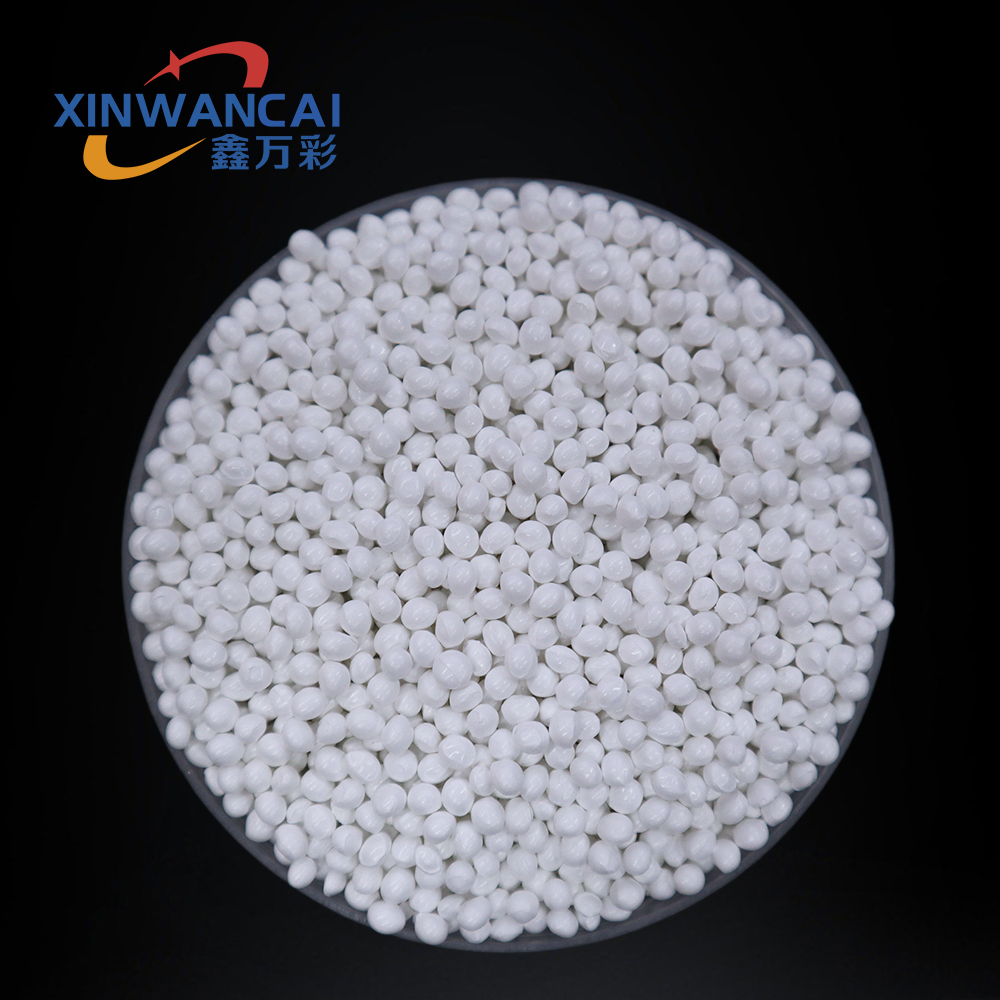
A frequent source of frustration in inkjet printing is the sudden appearance of missing nozzles or banding on the print, often traced back to clogged printheads. These clogs happen when pigment particles settle, agglomerate, or dry inside the microscopic channels of the printhead. Using low-viscosity masterbatch dispersions can dramatically reduce this risk because the reduced thickness allows the ink to flow more freely through narrow orifices, minimizing the chance of particle buildup. Unlike higher-viscosity inks that tend to leave residue behind after each firing cycle, these thinner dispersions are less prone to forming stubborn blockages over time.
Beyond simple flow characteristics, the formulation of a low-viscosity masterbatch keeps pigment particles more uniformly suspended. This stability is critical during idle periods—such as overnight shutdowns or weekend breaks—when ink can sit stagnant in the printhead. A well-dispersed, low-viscosity system resists settling and re-dissolves any soft sediment that might form, whereas a thicker ink may allow a hard cake to develop on the nozzle plate. Many printer operators notice that switching to a lower-viscosity masterbatch dispersion leads to fewer manual purges and less downtime spent on maintenance cycles.
Another practical benefit comes from compatibility with modern high-frequency printheads that have extremely fine nozzle diameters. These heads demand inks that can shear easily under the pressure of a firing pulse. Low-viscosity masterbatch dispersions respond quickly to this pressure, jettisoning cleanly and consistently, which reduces satellite droplets and misting that can dry on the nozzle surface and eventually cause a clog. By choosing a dispersion with the right low-viscosity profile for your specific printhead, you can extend the life of the equipment and keep print quality consistent across long production runs.
The Role of Carrier Resin Choice in Large Format Print Durability
In wide-format inkjet printing, the carrier resin is not just a binder; it dictates how pigment particles stay locked onto the substrate under stress. A resin with poor film formation will leave edges vulnerable to moisture intrusion and UV-driven oxidation, leading to premature fading and micro-cracking long before the expected service life ends.
Different resin chemistries bring distinct trade-offs. Acrylics offer excellent clarity and color pop but may turn brittle in cold climates unless modified. Polyurethane carriers, on the other hand, stretch with the media and resist abrasion, making them better for vehicle wraps or banners that flex repeatedly. The wrong choice can cause the entire print to delaminate from the liner or powder off under simple handling.
Practical durability testing often reveals that resin selection matters as much as pigment quality. When prints are subjected to accelerated weathering, solvent exposure, or repeated folding, resins with higher molecular weight and crosslinking density tend to retain adhesion and gloss longer. This is why many OEMs tailor carrier systems to specific media types rather than using a one-size-fits-all approach, balancing elongation, hardness, and chemical resistance for the intended environment.
Cutting Material Waste Through Precision Metering of Masterbatch Additives
Running a masterbatch feeder without precise metering often means adding a little extra to avoid running short. That safety margin may seem harmless on a single cycle, but across thousands of kilograms it turns into bags of unused additive, higher resin dilution corrections, and unnecessary regrind. Precision metering removes the habit of overcompensation by delivering exactly the set percentage every time. Once operators trust the system, they stop piling on excess and start seeing real material savings.
Inconsistent dosing creates another hidden waste stream: parts that fail color or mechanical checks and must be scrapped or reworked. Even a small swing in additive concentration can shift shade, change flow behavior, or alter performance enough to fail a customer's specification. Tight, repeatable metering keeps every shot or extrusion within the narrow band that the formulation was designed for. That means fewer rejected lots, less reprocessing, and a lower load on the waste bin.
The cumulative effect shows up in both procurement and disposal. If a plant cuts masterbatch consumption by two or three percent and avoids a couple of off-spec runs each month, the drop in raw material purchases is noticeable — and so is the reduction in waste handling fees. Precision metering turns additive usage from a rough estimate into a controlled variable, helping managers forecast costs more accurately and shrink the site's overall material footprint.
Matching Masterbatch Chemistry to Eco-Solvent Latex and UV Ink Systems
Choosing the right masterbatch for eco-solvent latex and UV ink systems isn't a one-size-fits-all decision. The carrier resin must stay compatible with the ink's own binder, or you'll see pigment migration, poor dispersion, and color drift during printing. For eco-solvent latex inks, which rely on water-based polymer emulsions, a masterbatch built around an acrylic or polyurethane carrier tends to wet out faster and hold the pigment load without breaking down when the ink hits the drying tunnel. UV systems throw a different curve: the masterbatch has to tolerate high-energy curing without interfering with photoinitiator efficiency. A polyester or epoxy-based carrier often works better here, because it resists the yellowing and crosslinking issues that can make a print look dull after a few hundred watts of UV exposure.
Pigment selection matters just as much as the carrier. Eco-solvent latex inks are aggressive on organic pigments, especially when the solvent blend leans toward glycol ethers or mild esters. If your masterbatch uses a pigment that's not properly encapsulated or surface-treated, you'll end up with agglomerates clogging printheads or leaving streaks on vinyl and banner media. For UV inks, the bigger risk is photo-oxidation: some reds and yellows fade fast under repeated UV curing cycles. A masterbatch supplier who understands this will offer pigments with lightfastness ratings matched to the end use—whether that's outdoor signage or short-run labels. You're not just buying color; you're buying chemical stability under a specific set of conditions.
The real difference shows up in the rheology and surface energy. Eco-solvent latex inks need a masterbatch that thins out under shear without adding too much surfactant, because leftover surfactant migrates and ruins adhesion on low-energy films like polyethylene. UV inks, on the other hand, demand a masterbatch that stays low-viscosity at room temperature but doesn't sag or pinhole when the ink is still wet on the substrate. Getting this balance right often means small adjustments to the masterbatch's wax or silica content. It's a nuanced game—one that separates a reliable print run from a job that gets rejected at the finishing table.
How UV Stabilizer Packages Extend Outdoor Banner Life Without Color Shift
Sunlight hits a printed banner and immediately starts breaking down the polymer chains in the vinyl or mesh. That’s why untreated banners turn brittle and fade within a few months. UV stabilizer packages work by intercepting ultraviolet photons before they can trigger oxidation. Hindered amine light stabilizers (HALS) scavenge free radicals as they form, while benzotriazole or benzophenone absorbers convert UV energy into harmless heat. The result is that the material keeps its flexibility and tear strength far longer, even in direct, all-day exposure.
Color shift is a separate problem from physical breakdown. Pigments lose their molecular structure when UV light repeatedly excites them, causing reds to wash out and blues to turn chalky. A well-designed stabilizer package doesn’t just protect the substrate; it also surrounds the colorants with a sacrificial layer. That layer takes the photochemical damage instead of the pigment, so the original ink hues stay intact. You can see the difference on banners that have been up for two years: the edges may be slightly dirty, but the printed area still looks close to the first day.
Not all stabilizer packages are equal. Cheap options load up on a single UV absorber, which protects against one wavelength range but leaves gaps. Better packages combine absorbers, HALS, and anti-oxidants in ratios tuned for the specific film and ink system. This matters for outdoor banners because they face not just UV, but heat, moisture, and air pollutants that accelerate degradation. A synergistic package extends service life without the muddy tint or plasticky sheen that some over-stabilized materials develop. The banner stays printable, weldable, and bright longer, which is what actually reduces replacement costs.
FAQ
The best formulations combine high pigment loading with excellent dispersion so colors stay vivid even across wide surfaces. You also need a carrier resin that matches your base polymer, otherwise you risk surface defects or weak spots in the printed output.
Premium pigments resist fading from UV exposure and won't wash out under moisture or cleaning. That means banners, vehicle wraps, and outdoor signage keep their impact for months instead of turning dull after a few weeks.
Yes. A tailored blend lets you use less material while hitting the same color target, and it cuts down on rejects from poor dispersion or inconsistent shade. Over a full production run, those savings add up quickly.
Proper dispersion ensures every pigment particle is separated and evenly distributed. If clumps remain, you get streaks, uneven opacity, and weaker color payoff. High-shear mixing and wetting agents make a visible difference.
You need a masterbatch supplier that controls raw material lots and uses spectrophotometric testing. Even small shifts in resin or pigment batches can cause visible banding, so tight tolerance checks are non-negotiable.
Absolutely. Formulations can be tuned for rigid boards, flexible films, coated textiles, and even recycled polymers. The key is matching the carrier system to the substrate so adhesion and color development remain stable.
Prioritize lightfastness, thermal stability during processing, and resistance to humidity. Ask for accelerated weathering data and real-world references from similar applications. A slightly higher upfront cost often pays off with longer service life.
Conclusion
High-load color concentrates change the economics of wide-format work by packing far more pigment into each pellet than standard grades. This means a smaller amount of masterbatch delivers deep, even saturation, which lets printers run thinner ink films and faster line speeds without washing out mid-tones. At the same time, low-viscosity dispersions keep the material flowing smoothly through fine printhead nozzles, reducing the risk of clogs and the downtime that comes with manual purging. The carrier resin plays an equally practical role: choosing one that matches the base polymer gives the final print better stretch resistance and adhesion, so graphics stay intact on vehicle wraps and tensioned displays.
Precision metering of masterbatch additives further removes guesswork from the process. Instead of over-dosing to compensate for poor dispersion, operators can rely on accurate feed rates that cut material waste and keep color targets consistent from run to run. Matching the masterbatch chemistry to eco-solvent, latex, or UV ink systems also matters more than many realize, as the wrong carrier or additive package can interfere with curing or leave a tacky surface. For outdoor banners and signage, UV stabilizer packages are the final piece: they slow photodegradation without shifting the original color values, so a vivid red or deep blue stays true after months of sunlight. Together these elements form a practical system for high-impact large format printing that balances speed, cost, and long-term print quality.
Contact Us
Contact Person: JACK
Email: [email protected]
Tel/WhatsApp: 86 18650130917
Website: https://www.xinwancai.com/