
Innovative Disposable Adult Diaper Machines: Revolutionizing Hygiene Manufacturing
2026-03-26
In the fast-paced world of hygiene manufacturing, innovation is not just an advantage—it's a necessity. As the demand for high-quality disposable adult diapers continues to rise, manufacturers are turning to cutting-edge solutions to meet the needs of an aging population and those with mobility challenges. At Womeng, we are at the forefront of this transformation, pioneering state-of-the-art disposable adult diaper machines that redefine efficiency, precision, and sustainability in production. Our latest advancements are not merely about improving processes; they represent a fundamental shift in how hygiene products are crafted, ensuring superior comfort and reliability for end-users. Join us as we delve into the breakthroughs that are setting new standards in the industry, promising a future where quality and innovation go hand in hand. Get ready to explore how Womeng's revolutionary machines are reshaping the landscape of hygiene manufacturing, one diaper at a time.
How Advanced Diaper Machines Are Redefining Hygiene Product Manufacturing
In the world of hygiene products, the shift from basic assembly lines to cutting-edge diaper machines is nothing short of revolutionary. These advanced systems integrate precision robotics and AI-driven sensors to monitor material consistency in real-time, slashing waste by up to 30% compared to older models. By automating delicate processes like absorbent core placement and elastic bonding, manufacturers achieve a level of uniformity that manual methods could never match, ensuring every diaper meets stringent quality standards without constant human oversight.
Beyond efficiency, these machines are redefining manufacturing through smart data analytics and predictive maintenance. Embedded IoT devices collect performance metrics, allowing operators to anticipate mechanical issues before they cause downtime, which can boost productivity by 20-40%. This proactive approach not only extends equipment lifespan but also adapts to varying product designs, from eco-friendly biodegradable options to ultra-thin variants, enabling brands to innovate rapidly in response to consumer trends without retooling entire production lines.
Ultimately, the impact extends to sustainability and customisation. Advanced diaper machines utilise closed-loop systems to recycle excess materials and reduce water usage, aligning with global environmental goals. They can also handle small-batch, personalised orders—think custom-fit sizes or hypoallergenic features—making mass production more agile. This transformation is setting a new benchmark in hygiene manufacturing, where flexibility, reliability, and eco-consciousness converge to reshape an industry once dominated by rigid, wasteful processes.
Key Technological Breakthroughs in Modern Disposable Adult Diaper Production
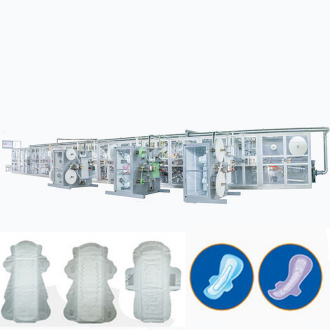
Recent advances in materials science have dramatically improved the core components of disposable adult diapers. Manufacturers now utilize superabsorbent polymers (SAPs) that can lock away liquids far more efficiently than traditional fluff pulp, reducing bulkiness while enhancing dryness. Innovations in breathable backsheets prevent moisture buildup, promoting skin health by allowing air circulation. These changes mean wearers experience greater comfort and fewer skin irritations, making daily use less intrusive.
Beyond materials, production processes have been streamlined through automation and precision engineering. High-speed manufacturing lines incorporate advanced sensors and robotic systems to ensure consistent quality, with fewer defects and reduced waste. This efficiency not only lowers costs but also allows for more customizable fits and sizes, catering to diverse body shapes. Some facilities even employ AI-driven quality control to spot imperfections in real-time, boosting reliability across every batch.
Sustainability has become a key focus, with breakthroughs in eco-friendly designs. Biodegradable films and plant-based materials are being integrated to lessen environmental impact, responding to growing consumer demand for greener options. Additionally, smart diapers with embedded sensors are emerging, capable of detecting wetness or health indicators and alerting caregivers via apps. This blend of comfort, efficiency, and innovation is transforming how adult incontinence products support independence and dignity.
Enhancing User Comfort and Efficiency Through Smart Machine Designs
In today's fast-paced world, smart machine designs are revolutionizing how we interact with technology by prioritizing both user comfort and efficiency. These innovations extend beyond mere functionality, incorporating intuitive interfaces and ergonomic features that reduce physical strain and mental fatigue. For example, in office environments, smart printers can predict maintenance needs and automatically adjust settings for optimal performance, allowing users to focus on their core tasks without interruption. By embedding sensors and AI-driven adjustments, machines adapt to individual preferences, creating a seamless and less cumbersome experience that enhances overall satisfaction and productivity.
Beyond ergonomics, smart designs integrate connectivity and automation to streamline workflows, significantly boosting efficiency. Machines equipped with IoT capabilities can communicate with other devices, enabling real-time data sharing and predictive analytics. In industrial settings, this means production lines can self-optimize based on usage patterns, minimizing downtime and energy consumption. For everyday consumers, smart home appliances learn routines and adjust operations accordingly—like a coffee maker that brews a perfect cup just as you wake up. This proactive approach not only saves time but also reduces manual oversight, making processes smoother and more reliable.
Ultimately, the key distinction of these advanced designs lies in their ability to blend comfort and efficiency in a holistic manner, setting them apart from conventional models. Rather than focusing solely on speed or cost-cutting, they consider the human element, using feedback loops and adaptive algorithms to refine performance over time. This results in machines that not only work harder but also smarter, fostering a more enjoyable and effective user journey. As technology evolves, such thoughtful integration ensures that smart machines remain indispensable tools that elevate both personal and professional lives.
Sustainability and Cost-Effectiveness in New-Generation Diaper Machinery
New-generation diaper machinery is revolutionizing the industry by prioritizing both environmental sustainability and economic efficiency. These advanced systems integrate eco-friendly materials, such as biodegradable or recyclable components, which significantly reduce waste and lower the carbon footprint of production processes. By incorporating energy-saving technologies and water conservation methods, manufacturers can cut operational costs while meeting stricter regulatory standards, making sustainability a key driver of long-term profitability in competitive markets.
Cost-effectiveness in modern diaper machinery is achieved through innovations like automation and smart monitoring systems that minimize labor expenses and enhance production consistency. Real-time data analytics allow for predictive maintenance, reducing downtime and prolonging equipment lifespan, which translates to lower total cost of ownership. This strategic investment not only boosts production rates but also ensures quality control, as machines are designed to operate with precision and minimal error, ultimately delivering better products at a reduced per-unit cost.
By balancing environmental goals with financial advantages, next-gen diaper machinery sets a new benchmark for the industry, appealing to consumers who value green initiatives and businesses seeking to optimize their supply chains. For instance, modular designs enable quick upgrades and flexibility in adapting to changing market demands, fostering innovation without requiring complete overhauls. This holistic approach supports a circular economy, where sustainable practices and cost savings reinforce each other, paving the way for a smarter, more responsible manufacturing future.
The Role of Automation in Streamlining Adult Diaper Manufacturing Processes
Automation has revolutionized adult diaper production by significantly enhancing efficiency and consistency, transforming what was once a labor-intensive process into a streamlined, high-speed operation. For example, automated cutting machines ensure precise sizing and reduce material waste, while robotic assembly lines handle delicate tasks like adding absorbent layers and fasteners with unparalleled accuracy. This not only speeds up manufacturing but also minimizes human error, leading to a more reliable product that meets strict quality standards for comfort and performance.
Beyond speed and precision, automation plays a crucial role in improving hygiene and reducing contamination risks, which is particularly vital in the adult diaper sector where sanitation is paramount. Automated systems in packaging and sterilization stages maintain a cleaner environment, minimizing manual handling that can introduce bacteria or inconsistencies. Additionally, these technologies support scalability, allowing manufacturers to quickly adjust production volumes in response to market demands or supply chain fluctuations without compromising on product integrity.
By integrating smart automation with real-time data monitoring, companies can achieve further optimizations, such as predictive maintenance that prevents equipment downtime and reduces operational costs. This synergy of technology not only boosts productivity but also fosters innovation in design, enabling the creation of more advanced, comfortable, and sustainable products to better serve an aging population.
Future Trends and Innovations in Disposable Adult Diaper Equipment Development
Current developments in disposable adult diaper equipment are shifting toward smarter production lines featuring IoT sensors and AI-driven quality control. Manufacturers are now embedding real-time monitoring systems that track absorbency consistency and material integrity during manufacturing, reducing waste and enhancing product reliability. These innovations allow for more personalized diaper designs, catering to specific needs like varying levels of incontinence or skin sensitivities, which improves user comfort and market adaptability.
Another emerging trend is the integration of eco-friendly technologies into diaper equipment, focusing on biodegradable materials and energy-efficient processes. Equipment advancements include new machinery that processes plant-based fibers and compostable layers without compromising absorption rates. This shift not only addresses environmental concerns but also meets regulatory pressures and consumer demand for sustainable products, positioning companies at the forefront of green innovation in the healthcare sector.
Future innovations may see the adoption of nanotechnology and 3D printing in equipment development, enabling ultra-thin yet highly absorbent diapers with enhanced barrier properties. Research is underway to create equipment that can produce customizable fits and moisture-wicking features, improving usability for both active adults and those with limited mobility. These advancements promise to redefine the industry by blending comfort, sustainability, and cutting-edge technology to better serve an aging global population.
FAQ
These machines incorporate advanced automation and precision engineering, enhancing production speed while reducing material waste through real-time adjustments and smart sensors.
They feature enclosed, sterile environments and automated processes that minimize human contact with products, ensuring higher cleanliness and compliance with medical-grade standards.
Manufacturers gain from increased efficiency, lower operational costs due to reduced labor needs, and the ability to produce high-quality diapers that meet diverse consumer demands.
Yes, they offer flexible configurations and modular designs, allowing easy adaptation to various diaper sizes, absorbency levels, and materials without major retooling.
The machines optimize resource use by cutting down on excess materials and energy consumption, plus they can integrate biodegradable components for eco-friendly production.
Initial setup costs and staff training can be hurdles, but manufacturers provide comprehensive support, including installation guidance and ongoing maintenance services to ensure smooth operation.
They outperform older systems by offering greater control over product quality, faster production cycles, and enhanced adaptability to market trends, making them a superior choice for modern facilities.
Emerging trends include AI-driven predictive maintenance and further integration of IoT for real-time monitoring, aiming to boost reliability and efficiency even more in the coming years.
Conclusion
Innovative disposable adult diaper machines are fundamentally transforming hygiene product manufacturing by integrating cutting-edge technology and automation. As highlighted in discussions on how advanced diaper machines are redefining production, key technological breakthroughs have emerged, enabling high precision and customization in modern disposable adult diaper production. These advancements are not merely incremental improvements but represent a leap forward, with automation playing a crucial role in streamlining manufacturing processes to enhance efficiency. By reducing human intervention, these smart machine designs minimize errors and increase output, making operations faster and more reliable. This evolution addresses the growing demand for hygiene products, particularly in aging populations, by ensuring consistent quality and adaptability.
Beyond efficiency, these machines prioritize user comfort and efficiency through innovative features, while also emphasizing sustainability and cost-effectiveness in new-generation machinery. Future trends point toward further innovations in disposable adult diaper equipment development, focusing on eco-friendly materials and energy-saving mechanisms. This holistic approach not only revolutionizes manufacturing but also positions the industry to meet global hygiene challenges with smarter, greener, and more economical solutions, setting a new standard for hygiene product manufacturing that balances technological prowess with practical benefits.
Contact Us
Contact Person: Jessie Lai
Email: [email protected]
Tel/WhatsApp: 86-188594442931
Website: https://www.wm-machinery.com