

Industrial Furnace Spare Parts: A Few Essential Recommendations
2026-09-05
Industrial furnaces don’t forgive guesswork when it comes to replacement parts. A single overlooked component can trigger cascading failures, safety risks, and days of unplanned downtime. In this post, we skip the fluff and focus on a few essential recommendations for spare parts that keep your furnace running longer and safer. From high-wear items to often-ignored consumables, we’ll help you build a smarter inventory strategy. For sourcing proven parts without the runaround, THINKING-LONG has the technical depth and stock reliability many maintenance teams lean on.
The hidden workhorses: small parts that keep your furnace alive
It’s easy to overlook the tiny components inside a gas furnace until one of them calls it quits on the coldest night of the year. While the heat exchanger and blower motor get most of the credit, a handful of smaller parts quietly do the heavy lifting every time your thermostat clicks on.
The flame sensor is a perfect example. It sits directly in the burner flame and sends a tiny electrical signal to the control board to confirm that ignition actually happened. If it gets coated with carbon or silica, the signal weakens and the furnace shuts down as a safety precaution—often after only a few seconds of run time. A quick cleaning with fine steel wool can restore it, but many homeowners end up paying for a service call simply because this small rod was overlooked.
Similarly, the hot surface ignitor must glow bright enough to light the gas, and over time it can develop hairline cracks that prevent it from reaching full temperature. Then there’s the pressure switch, which verifies that the inducer fan is pulling combustion gases safely through the flue. If the small rubber hose connecting it gets clogged or cracked, the switch won’t close and the furnace won’t start. Keeping these hidden workhorses clean and properly connected can add years to your system and save you from a midnight repair bill.
Why cheap replacements often cost more in the long run
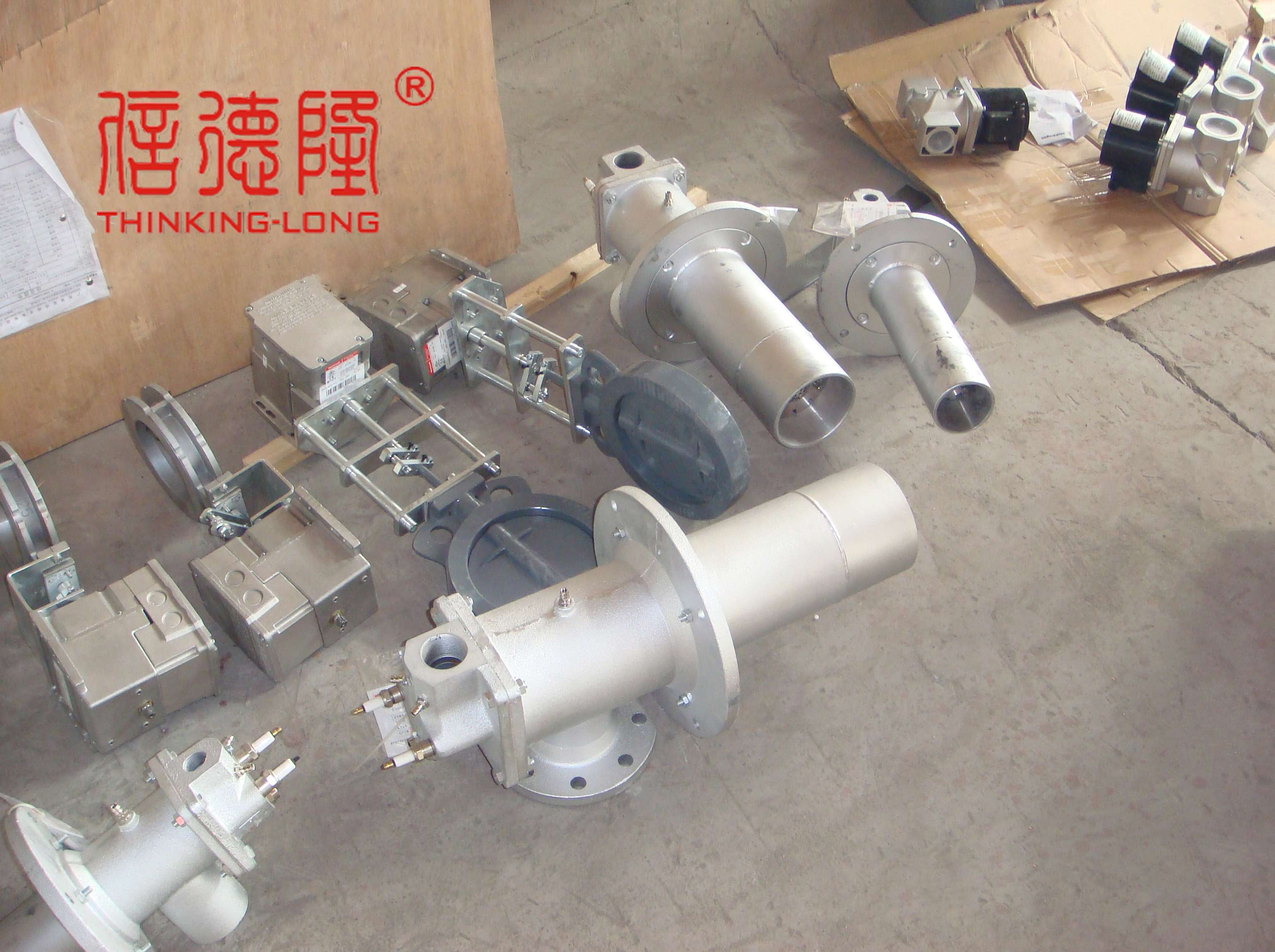
A cheap replacement part may look identical on the outside, but the materials inside often tell a different story. Lower-grade alloys, thinner wiring, or softer seals wear out faster under normal use. What seems like a bargain at the checkout can turn into a repeating expense once the part fails early and needs to be swapped again.
Beyond the part itself, installation and surrounding components also take a hit. A poorly fitted replacement can strain nearby systems, causing premature wear on everything it touches. The labor cost of fitting the same part twice or three times quickly erases any initial savings, not to mention the downtime while the machine sits idle.
Over a longer horizon, the real expense shows up in lost productivity and unexpected failures. A dependable original-spec part might cost more upfront, but it keeps the whole setup running smoothly for years. The cheaper option, by contrast, quietly drains money through repeated purchases, extra labor, and the risk of a bigger breakdown when it finally gives out.
Matching materials to heat: a practical guide for furnace parts
Furnace components don't all face the same thermal reality. A burner nozzle endures direct flame impingement, while a baffle plate might only see radiant heat from a distance. Choosing a material without first mapping the exact heat load, cycling frequency, and atmosphere inside your furnace often leads to premature cracking, warping, or oxide scaling. Start by identifying whether the part sits in the flame path, in the hot gas stream, or in a cooler support zone. This single distinction rules out many alloys before you even look at a datasheet.
For moderate temperatures up to about 900°C with occasional spikes, common stainless grades like 310 or 321 can work if oxidation isn't aggressive. But once you cross into continuous service above 1000°C, nickel-chromium alloys such as Inconel 600 or 601 become the baseline, and even those need silicon or aluminum additions to form a protective scale. In carburizing or nitriding atmospheres, that oxide layer may not survive, so you might have to switch to a cast high-nickel alloy or a ceramic like silicon carbide. The wrong material here doesn't just fail—it can contaminate the entire heat-treating process.
Don't overlook thermal shock and creep either. A support post that heats and cools ten times a day needs a different alloy than one that stays hot for weeks. Fine-grained castings resist thermal fatigue better than coarse wrought stock, while thick cross-sections reduce creep but slow down temperature equalization. If you're replacing a part that failed early, take a close look at the fracture surface and the oxide color before ordering the same material again. Often the real problem isn't the alloy itself, but an unexpected hot spot or a quenching step nobody documented.
Downtime's quiet triggers: inventory gaps you shouldn't ignore
Downtime rarely starts with a loud crash. More often it begins with a missing seal, a depleted reel of packaging film, or a bin of fasteners that looks full until someone reaches for the last usable piece. These gaps sit below the surface of daily operations, not obvious on a dashboard but capable of freezing an entire shift.
What makes them dangerous is the silence. A reorder point set months ago no longer reflects actual usage. Supplier lead times stretch without anyone adjusting the minimum. A part gets substituted once, then twice, and suddenly the workaround becomes the norm. By the time production stops, the gap has been growing for weeks.
Pay attention to the small signals: maintenance techs hiding spares in lockers, operators borrowing material from the next batch, planners placing rush orders for items that should be routine. These are not signs of a messy team. They are proof that the formal inventory picture has drifted from reality.
How to spot a supplier who actually understands industrial heat
Most vendors will smile and nod when you mention inlet temperatures, delta T, or fouling factors. Then they quote you a generic heat exchanger from a catalog and call it a day. The ones worth your time are the ones who ask about your process fluid first — what it is, how fast it moves, whether it's abrasive or viscous or prone to scaling — and only then start talking equipment.
A supplier who genuinely understands industrial heat will challenge your assumptions. They won't just accept an 80°C return line as gospel; they'll want to know why it's 80°C, whether you've measured it under partial load, and what happens during a cold start in January. If they start sketching a duty curve on a napkin or asking about turndown ratios without you prompting, that's a good sign.
Finally, watch how they handle failure modes. Someone who has actually been inside a plant will talk about thermal expansion, gasket creep, and what happens when the steam trap fails open. If their only answer is "bigger is safer," keep looking. Real expertise shows up in the details, not the brochure.
Extending part life without overpaying for fancy coatings
The math rarely favors exotic coatings when a basic design tweak can double your run time. Shops often jump straight to titanium nitride or diamond-like carbon, but most premature wear traces back to heat, alignment, or chip evacuation. Fix those first, and a standard HSS or carbide tool will often outlast a coated premium tool that's running under the same poor conditions.
A better starting point is measuring where the tool actually fails. If corners are chipping, a slight radius or a different lead angle can shift the load away from the weak spot. If flutes are loading up, opening the chip gullet or adjusting coolant direction buys more life than any coating. These changes cost almost nothing compared to a per-tool coating upcharge.
When a coating is justified, match it to the failure mode instead of the marketing sheet. Aluminum oxide handles heat at high speeds, while titanium carbonitride resists abrasive wear at moderate speeds. Blindly specifying 'the best coating' usually means paying for properties you don't use. Run the uncoated version first, log the wear pattern, then decide if a targeted coating earns its cost.
FAQ
Focus on material grade first. A refractory brick rated for 1400°C won't survive long in a 1600°C zone, and the cost difference is trivial compared to unscheduled downtime. Check thermal expansion rates and creep resistance before price.
Inspection every 500 operating hours catches most early failures. Replacement depends on load profile, but a good rule is to keep a spare set after elements lose about 10% of their original resistance value, not after they burn out completely.
For brackets, seals, and insulation, yes if the supplier provides material certifications. For heating elements, thermocouples, and atmosphere controls, stay with OEM or a supplier that can match the original resistance curve and sheath alloy exactly.
It's often the difference between a six-month and a six-year lining. Alumina-silica refractories can react with alkaline atmospheres, while silicon carbide performs poorly in oxidizing conditions at very high temperatures. Always match the lining to the specific gas environment, not just the temperature.
A full set of heating elements, two or three thermocouples of each type, door seals, and a few critical relays. These are the parts that fail most often and have lead times longer than a typical weekend shutdown.
Compare readings between the control thermocouple and a portable reference probe inserted in the same zone during a soak. A deviation over 3–5°C usually means the sheath is contaminated or the junction is degrading, even if the controller still looks stable.
Generally yes for anything that touches the hot zone. Older furnaces often have non-standard chamber dimensions and control quirks, so aftermarket parts may fit but not perform. The extra cost pays for itself if it avoids a rebuild.
Ask for a mill test report or material certificate showing the alloy composition and heat number. Batch traceability matters when a part fails early and you need to determine whether it was a material defect or an operating issue.
Conclusion
Most furnace failures don't start with the big-ticket items—they begin with the small parts nobody thinks about until they quit. Thermocouples, seals, burner nozzles, and refractory anchors quietly determine whether your furnace runs smoothly or stalls at the worst possible moment. The temptation to save money on generic replacements is strong, but those cheap parts often bring mismatched alloys, sloppy tolerances, and premature wear that costs far more in downtime and labor than the initial savings. Instead, match every component to the actual heat load, atmosphere, and thermal cycling it will face. A radiant tube in a carburizing furnace needs different material than one in a clean annealing line, and guessing here leads to cracking, distortion, and early failure.
Beyond part selection, keep a close eye on inventory gaps that trigger downtime—like those two or three awkward spares you always mean to order but never do. A supplier who truly understands industrial heat will ask about your temperature profiles, contaminants, and cycle times before recommending anything, rather than just pushing a catalog number. And when it comes to extending part life, you rarely need exotic coatings. Simple steps like proper preheating, cleaning burners on schedule, and controlling atmosphere dew point often outperform pricey surface treatments. The most practical strategy is boring but effective: track failure patterns, keep critical spares on hand, and build a relationship with a supplier who treats furnace parts as engineering problems, not commodity sales.
Contact Us
Contact Person: Qian Xijun
Email: [email protected]
Tel/WhatsApp: 8613961736750
Website: https://www.thinkinglong.com/