

How to choose a single shaft shredder - expert tips and guide
2026-04-14
Choosing the right single shaft shredder can be a daunting task, especially when faced with countless models and specifications. In this expert guide, we dive into key considerations that make all the difference in efficiency and durability. Curious about how to avoid common pitfalls and maximize your investment? We'll explore insider tips and practical advice to help you navigate this critical decision. Whether you're in manufacturing, recycling, or waste management, this resource is tailored for you. For those seeking reliable solutions, consider exploring options from Shengzhong Shredder, known for innovative designs that adapt to diverse needs. Let's uncover the secrets to selecting a shredder that not only meets but exceeds your expectations.
Key Factors to Consider When Selecting a Single Shaft Shredder
Choosing the right single shaft shredder hinges on understanding your specific material needs and operational demands. It's not just about picking a machine; it's about matching its capabilities to your workflow to ensure efficiency and longevity. Think about the types of materials you'll be processing—are they tough plastics, bulky wood scraps, or metal components? Each material demands different cutting forces and blade designs, so a thorough assessment upfront can save you from costly downtime or premature wear.
Beyond material compatibility, the design and construction of the shredder play a crucial role in its performance. Look for features like a robust rotor, durable blades made from high-quality steel, and a reliable hydraulic or electric drive system. These elements directly impact the machine's ability to handle high volumes consistently without frequent maintenance. Additionally, consider the feed mechanism and safety interlocks, as they affect both operator safety and the smoothness of the shredding process, making your operations safer and more streamlined.
Don't overlook operational costs and support services when making your decision. Evaluate energy consumption, spare part availability, and the manufacturer's reputation for customer service. A shredder might have a lower upfront price but could end up costing more in repairs or inefficient energy use. By weighing these factors alongside your immediate shredding needs, you can invest in a machine that not only meets today's challenges but adapts to future demands, ensuring a smarter, more resilient setup for your business.
Understanding Material Compatibility for Optimal Shredding Performance
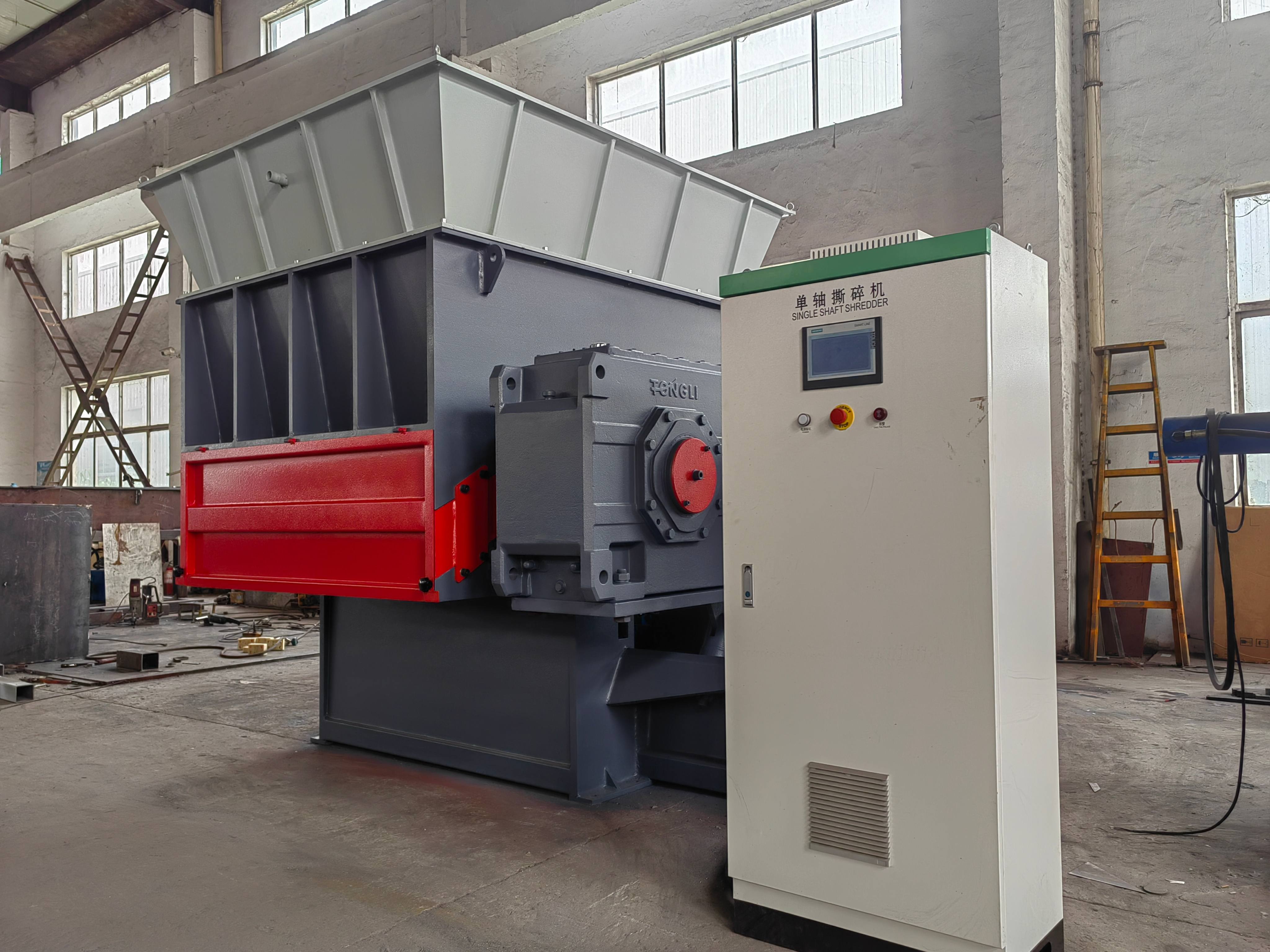
Understanding material compatibility is crucial for achieving top-notch shredding performance, as different materials require specific mechanisms to be processed efficiently. For instance, paper and plastic sheets may need distinct blade configurations to prevent jamming or premature wear. By matching the shredder's capabilities with the materials you plan to handle, you can enhance durability and reduce maintenance issues over time.
It's not just about avoiding clogs; material compatibility directly influences safety and energy consumption as well. Shredders designed for heavy-duty tasks, like destroying credit cards or stapled documents, often incorporate reinforced components that handle these tougher items without strain. Testing various materials through trial runs can reveal subtle performance nuances, helping users make informed choices about which shredder suits their needs best.
Beyond basic guidelines, consider how environmental factors such as humidity or temperature might affect material behavior during shredding. For example, damp paper tends to tear differently than dry sheets, potentially impacting output quality. Tailoring your approach based on these insights ensures not only efficiency but also extends the lifespan of your equipment, making it a smart investment for long-term use.
Essential Maintenance Tips to Extend Your Shredder's Lifespan
A shredder is a workhorse in any home office or business setup, but it often gets overlooked until it starts jamming or making odd noises. To keep yours running smoothly for years, start with the basics: always feed it the right amount of paper. Overloading can strain the motor and blades, leading to premature wear. Aim to shred a few sheets at a time rather than stuffing in a whole stack. Also, avoid shredding materials like cardboard, staples, or credit cards unless your model specifically handles them, as these can dull the cutting mechanism quickly.
Regular cleaning is another key habit that many users skip. Paper dust and debris can accumulate inside, causing clogs and reducing efficiency. Every month or so, unplug the shredder and gently wipe down the interior with a soft brush or compressed air. For oiling, if your shredder requires it, use a high-quality shredder oil on the blades after heavy use to maintain smooth operation. This simple step can prevent friction and overheating, which are common culprits behind breakdowns.
Finally, pay attention to how you use the shredder beyond just paper. Keep it in a cool, dry place away from dust and moisture to avoid rust and electrical issues. If you notice any unusual sounds or performance drops, address them promptly instead of ignoring them. By incorporating these proactive tips into your routine, your shredder will not only last longer but also handle shredding tasks more reliably, saving you money and hassle in the long run.
Safety Features and Operational Guidelines for Efficient Use
When it comes to getting the most out of your equipment, safety isn't just a box to tick—it's the foundation for peak performance. Our safety features are designed with real-world scenarios in mind, like automatic shut-off sensors that kick in if temperatures get too high or pressure builds unexpectedly. These aren't just failsafes; they help prevent wear and tear, keeping your device running smoothly and efficiently for longer. By prioritizing safety, you not only protect yourself and your surroundings but also ensure that every operation is optimized, reducing energy waste and boosting overall productivity.
Operational guidelines go hand-in-hand with these safety measures, offering practical tips that can make a noticeable difference in daily use. For instance, simple steps like regular cleaning of filters or ensuring proper ventilation can prevent overheating and maintain consistent output. We recommend familiarizing yourself with the user manual's best practices, such as adjusting settings based on load requirements or scheduling maintenance checks. These guidelines aren't about rigid rules but smart habits that enhance efficiency—think of them as a way to fine-tune your experience, saving time and resources while getting reliable results every time.
In a world where efficiency often gets overlooked in the rush to get things done, combining our safety features with thoughtful operational habits creates a powerful synergy. It's about more than just avoiding accidents; it's about crafting a workflow where equipment lasts longer, performs better, and supports your goals seamlessly. By integrating these elements, users report fewer interruptions and a smoother operation cycle, turning what could be routine tasks into opportunities for excellence. Dive into the details, and you'll find that a little attention to safety and guidelines pays off in spades, making every use count toward a smarter, safer outcome.
Comparing Different Models to Match Your Specific Needs
When diving into the world of AI tools, it's easy to get overwhelmed by the sheer number of options available. But here's the thing—not every model will suit your unique requirements. Whether you're developing a chatbot, analyzing data, or automating tasks, the key is to sift through features and performance metrics to find what truly aligns with your goals. Start by asking yourself what you need most: speed, accuracy, or perhaps a balance of both? By pinpointing these priorities, you can narrow down the list and focus on models that deliver where it matters.
Let's be real—no one-size-fits-all solution exists in this landscape. Some models excel at processing large datasets with lightning speed, while others are designed for nuanced language understanding. For instance, if you're handling customer inquiries, you might prioritize a model that's fine-tuned for conversation and empathy. On the other hand, for technical projects like coding assistance, look for one that offers robust logic and error detection. It's all about matching the model's strengths to your specific challenges, rather than just going with the most popular or hyped-up option.
To make an informed choice, don't just rely on surface-level comparisons. Dive deeper into user reviews, test results, and hands-on trials if possible. Consider factors like cost, scalability, and how well the model integrates with your existing systems. Remember, the best fit isn't always the most advanced one—it's the one that makes your workflow smoother and more efficient in the long run. So take your time, compare thoughtfully, and you'll likely end up with a tool that feels tailor-made for your needs.
Expert Insights on Cost-Effectiveness and Long-Term Value
When weighing investment decisions or service options, it's vital to look beyond the initial price tag and consider the full picture of value over time. Cost-effectiveness isn't just about finding the cheapest solution; it hinges on achieving optimal outcomes relative to expenditure, factoring in durability, performance efficiency, and potential savings down the line. Smart choices often involve a higher upfront cost that pays off significantly in reduced maintenance, fewer replacements, or enhanced productivity, ensuring resources are used wisely and sustainably.
From a strategic perspective, long-term value emerges from elements like reliability, adaptability, and scalability, which can make an investment more resilient to market shifts or evolving needs. For instance, in technology or infrastructure, selecting robust, future-proof systems might involve extra effort initially but prevent costly overhauls later. Experts emphasize that this foresight fosters not only financial prudence but also strengthens competitive advantage and operational continuity, creating a ripple effect that supports growth and stability.
Ultimately, integrating cost-effectiveness with long-term vision requires a balanced approach that prioritizes quality and sustainability over short-term gains. By focusing on total cost of ownership and lifecycle benefits, individuals and organizations can make decisions that deliver enduring value, driving success that lasts well beyond immediate returns. This mindset encourages a proactive investment culture, where value is measured not just in dollars saved today, but in lasting impact and satisfaction.
FAQ
Consider the material type and size you'll shred, the required throughput capacity, power output of the machine, maintenance needs, and noise levels to ensure it fits your operational and environmental requirements.
Choose a model with robust construction materials like hardened steel, regularly lubricate moving parts, follow the manufacturer's maintenance schedule, and avoid overloading the machine to prevent premature wear.
Don't underestimate the importance of material compatibility, ignore safety features like overload protection, or overlook the shredder's footprint in your workspace, which could lead to inefficiencies or hazards.
Different cutting designs, such as rotary or scissor-style blades, influence particle size consistency, energy efficiency, and the ability to handle tough materials like metals or plastics effectively.
Look for comprehensive coverage on parts and labor, availability of local technical support, and clear terms on what's included, as this can save costs and downtime in case of issues.
While some models are built with corrosion-resistant components for damp conditions, it's crucial to verify specifications, as moisture can affect blade life and shredding efficiency if not designed for it.
Invest in a reliable brand with proven durability rather than opting for the cheapest option, as higher upfront costs often mean better performance and lower long-term expenses from repairs.
Key features include emergency stop buttons, safety interlocks to prevent operation during maintenance, overload sensors, and secure guarding to protect operators from moving parts.
Conclusion
Selecting the right single shaft shredder involves careful consideration of several key factors to ensure it meets your operational needs. First, assess material compatibility—whether you're shredding plastics, wood, or metals, as this affects blade design and motor power for optimal performance. Compare different models by evaluating throughput capacity, cutting mechanisms, and customization options to match your specific requirements, such as particle size and durability. Expert insights highlight that going beyond initial price to consider long-term value, including energy efficiency and part availability, can lead to cost savings over time. By focusing on these aspects, you can invest in a shredder that not only handles your materials effectively but also aligns with your budget and future demands, avoiding common pitfalls like underpowered units or unsuitable designs.
To maximize the shredder's lifespan and maintain safe, efficient use, prioritize essential maintenance and safety features. Regular upkeep, such as blade sharpening and lubrication, prevents wear and extends service life, while operational guidelines—like proper feeding rates and avoiding contaminants—ensure smooth performance. Safety is paramount; look for models with overload protection, emergency stops, and robust enclosures to minimize risks during operation. Integrating these practices with a well-chosen model not only enhances productivity but also reduces downtime and repair costs. This holistic approach, blending material considerations, model comparisons, maintenance, and safety, empowers you to make an informed decision that supports reliable shredding outcomes for years to come.
Contact Us
Contact Person: Leon
Email: [email protected]
Tel/WhatsApp: 8615385558866
Website: https://www.shred-waste.com