

Efficient Water Chiller Solutions for Modern Cooling Needs
2026-04-22
In today's fast-paced world, efficient cooling solutions are not just a luxury—they are a necessity. As industries and businesses evolve, so do their demands for reliable and energy-efficient systems. This is where modern water chillers come into play, offering innovative ways to meet complex cooling needs with precision and sustainability. At Worldbase, we understand the critical role these systems play in enhancing operational efficiency and reducing environmental impact. In this blog, we will explore cutting-edge water chiller technologies, delve into their benefits, and share insights on how to select the right solution for your unique requirements. Join us as we uncover the keys to smarter cooling and a greener future.
Innovative Design Strategies for Energy-Efficient Water Chillers
The development of energy-efficient water chillers focuses on integrating advanced technologies like variable speed compressors, which dynamically adjust to cooling demands, significantly reducing energy consumption compared to traditional fixed-speed systems. By incorporating thermal energy storage solutions, these chillers can operate during off-peak hours, storing cold water for use during peak times, thereby lowering overall operational costs and enhancing grid stability. This approach not only cuts down on electricity bills but also extends the equipment's lifespan by minimizing wear and tear from constant high-load operation.
Another strategy involves utilizing eco-friendly refrigerants with lower global warming potential, such as R-513A or natural options like ammonia, which improve environmental compliance while maintaining high performance. Smart controls and IoT-enabled systems allow for real-time monitoring and predictive maintenance, optimizing chiller efficiency by adjusting settings based on ambient conditions and usage patterns. These innovations ensure that water chillers deliver consistent cooling with minimal energy waste, making them ideal for large-scale applications like data centers and industrial facilities.
Furthermore, designs often feature hybrid cooling systems that combine air- and water-cooled components, leveraging the strengths of each to maximize efficiency in diverse climates. Enhanced heat exchanger surfaces, like microchannel technology, increase heat transfer rates, reducing the energy needed for cooling cycles. By focusing on these cutting-edge strategies, manufacturers create water chillers that not only meet stringent energy standards but also contribute to a more sustainable future, offering a competitive edge in the market through reduced carbon footprints and operational flexibility.
Customizable Solutions Tailored to Diverse Industrial Applications
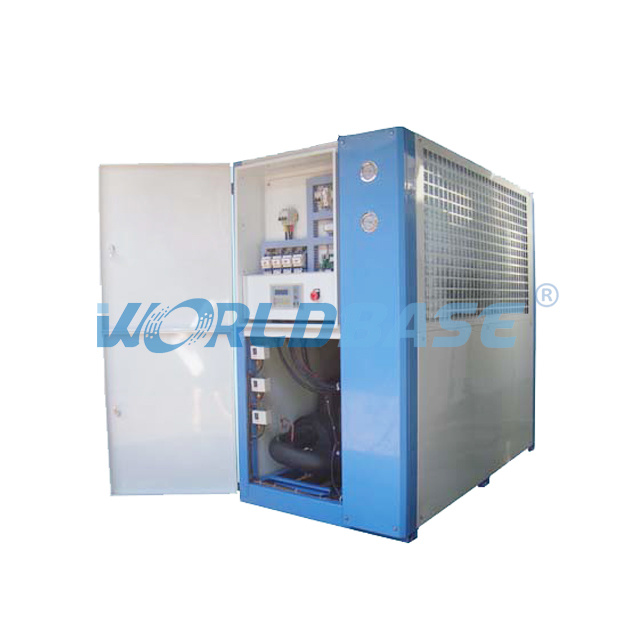
Industrial demands are rarely one-size-fits-all. We specialize in crafting solutions that adapt seamlessly to the specific challenges of your sector, from manufacturing and logistics to energy and beyond. By collaborating closely with your team, we design flexible systems that integrate with your existing workflows, enhancing efficiency without disrupting operations.
Our approach goes beyond off-the-shelf products; we delve into the nuances of each application to develop tailored strategies that address unique pain points. Whether optimizing production lines, improving safety protocols, or reducing environmental impact, we ensure our solutions evolve alongside industry trends and your evolving needs.
Through ongoing support and customization options, we empower businesses to stay agile in a competitive landscape, delivering results that are as unique as their operations. This commitment to personalization sets us apart, fostering long-term partnerships built on innovation and reliability.
Advanced Technologies Enhancing Performance and Reliability
In modern engineering and computing, advanced technologies are pivotal in driving performance and reliability to unprecedented levels. Innovations such as predictive analytics and machine learning algorithms allow for real-time monitoring and proactive maintenance, thereby reducing downtime and optimizing efficiency. These tools not only enhance operational speed but also ensure systems remain robust under varying conditions, making them indispensable in high-stakes environments like healthcare and finance.
Another key advancement lies in the integration of edge computing and IoT devices, which decentralize data processing to minimize latency and boost responsiveness. By processing information closer to the source, these technologies improve reliability by reducing dependency on central servers, leading to faster decision-making and enhanced fault tolerance. This distributed approach is particularly effective in applications requiring immediate feedback, such as autonomous vehicles and industrial automation.
Furthermore, advancements in materials science and nanotechnology contribute significantly to reliability by developing more durable components with extended lifespans. From corrosion-resistant alloys to self-healing polymers, these materials withstand extreme environments and wear, ensuring consistent performance over time. Combined with smart sensors that detect early signs of failure, these innovations create a synergy that not only maximizes efficiency but also builds trust through sustained dependability in critical systems.
Sustainability Benefits: Reducing Environmental Impact and Costs
By adopting sustainable practices, organizations not only protect the planet but also achieve significant financial savings. For instance, implementing energy-efficient technologies such as LED lighting or solar panels reduces electricity consumption, leading to lower utility bills and a smaller carbon footprint. This dual advantage helps businesses cut operational expenses while contributing to global climate goals, creating a win-win scenario that resonates with both eco-conscious consumers and budget managers.
Moreover, sustainability initiatives can enhance brand reputation and customer loyalty, as more consumers prefer companies with strong environmental credentials. This shift in consumer behavior often translates into increased market share and revenue growth, further offsetting initial investments in green technologies. Beyond cost reductions, reducing waste through recycling programs or sustainable packaging decreases disposal fees and raw material usage, fostering a circular economy that benefits both the environment and the bottom line.
In the long term, embracing sustainability mitigates risks associated with regulatory changes and resource scarcity, ensuring business resilience. Companies that proactively address environmental impact are better positioned to adapt to evolving laws and market demands, avoiding potential fines and supply chain disruptions. This forward-thinking approach not only safeguards natural resources but also unlocks new opportunities for innovation and competitive advantage, making it a strategic imperative rather than just an ethical choice.
Seamless Integration with Modern Building Management Systems
Our solutions bridge the gap between legacy infrastructure and cutting-edge technology, ensuring that modern building management systems can effortlessly communicate with diverse hardware and software components. By utilizing open protocols and adaptable APIs, we eliminate the complexity often associated with system upgrades, allowing operators to manage energy consumption, security, and environmental controls from a unified interface. This approach not only enhances operational efficiency but also reduces the need for costly custom integrations that can delay implementation timelines.
We prioritize interoperability, enabling our systems to seamlessly sync with leading platforms from companies like Johnson Controls and Siemens, as well as emerging IoT-based solutions. Through real-time data exchange and automated workflows, building managers gain unprecedented visibility into facility performance, empowering them to make informed decisions on maintenance, occupancy, and resource allocation. This fluid integration minimizes downtime and technical glitches, keeping operations running smoothly without constant manual intervention.
Beyond basic connectivity, our focus on user-centric design ensures that integration feels intuitive rather than burdensome. With customizable dashboards and predictive analytics tools, teams can proactively address issues like HVAC inefficiencies or security vulnerabilities before they escalate, fostering a smarter, more responsive building environment that adapts to evolving needs while maximizing long-term value and sustainability.
Future Trends in Smart Cooling and Predictive Maintenance
As industries globally push for enhanced efficiency and reduced operational costs, the evolution of smart cooling and predictive maintenance is set to redefine how we manage thermal systems and equipment longevity. Instead of merely reacting to temperature fluctuations or unexpected breakdowns, these advanced technologies leverage IoT sensors and machine learning algorithms to anticipate issues before they escalate. This proactive approach not only minimizes downtime but also optimizes energy consumption, aligning perfectly with sustainability goals in sectors ranging from data centers to manufacturing plants. By integrating real-time data analytics, businesses can move beyond traditional maintenance schedules, fostering a more resilient and cost-effective infrastructure.
One standout trend is the growing adoption of AI-driven predictive models that analyze historical and real-time data to forecast cooling needs and potential failures with remarkable accuracy. Unlike generic solutions, these systems can be tailored to specific environments—like hyperscale data centers with unique thermal dynamics—offering customized insights that boost reliability. For instance, predictive maintenance might alert technicians to subtle changes in compressor vibrations or refrigerant levels, allowing for timely interventions that prevent catastrophic failures. This level of precision not only extends equipment lifespan but also reduces waste, making it a game-changer for industries prioritizing both performance and environmental responsibility.
Looking ahead, the fusion of edge computing with smart cooling solutions is poised to accelerate responsiveness, enabling localized decision-making without relying on cloud data transfers. This decentralization enhances security and speed, particularly in remote or high-stakes applications like medical labs or industrial control rooms. Moreover, emerging technologies such as digital twins—virtual replicas of physical systems—allow for simulation and optimization of cooling strategies in a risk-free digital environment, further refining predictive capabilities. As these innovations mature, they promise a future where thermal management and maintenance are not just intelligent but seamlessly integrated into broader smart infrastructure, driving unprecedented levels of operational agility and resource efficiency.
FAQ
Modern water chillers incorporate advanced technologies like variable speed drives and magnetic bearing compressors, which adapt to cooling demands in real-time, reducing energy consumption by up to 40% compared to older models. This boost in efficiency stems from precise temperature control and minimized mechanical losses.
These chillers use eco-friendly refrigerants and optimize water usage, cutting carbon footprints and conserving resources. For example, some systems integrate with smart building controls to align with green certifications, helping businesses meet environmental standards while maintaining cooling performance.
Predictive maintenance features, enabled by IoT sensors, monitor parameters like vibration and temperature, alerting technicians to potential issues before failures occur. This proactive approach reduces downtime by up to 30%, ensuring consistent operation in demanding environments like data centers or manufacturing plants.
Key considerations include cooling capacity, energy efficiency ratings (e.g., COP), footprint, and compatibility with existing infrastructure. In-depth load analysis helps match the chiller to peak demands, avoiding oversizing and optimizing long-term operational costs.
Beyond lower electricity usage, they reduce water waste through closed-loop systems and extend equipment lifespan via stable temperature management. For instance, in a hospital setting, reliable cooling can prevent costly breakdowns in critical areas, saving on repair and replacement expenses over time.
Smart controls enable remote monitoring and automation, adjusting settings based on real-time data like outdoor temperature or occupancy. This dynamic operation fine-tunes cooling output, preventing energy spikes and ensuring optimal comfort without manual intervention.
Conclusion
Efficient water chiller solutions for modern cooling needs are increasingly defined by innovative design strategies that prioritize energy efficiency. These advancements enable customizable solutions tailored to diverse industrial applications, from manufacturing facilities to data centers. By focusing on intelligent engineering, these systems not only meet specific operational demands but also significantly reduce energy consumption, aligning with contemporary sustainability goals. The integration of cutting-edge technologies further enhances performance and reliability, ensuring consistent cooling even under varying load conditions. This holistic approach to design and application underscores how modern water chillers are evolving to address both technical and environmental challenges simultaneously.
The sustainability benefits of these solutions extend beyond mere energy savings, as they actively reduce environmental impact and operational costs. Seamless integration with modern building management systems allows for real-time monitoring and optimization, facilitating proactive maintenance and smarter resource allocation. Looking ahead, future trends in smart cooling and predictive maintenance are set to revolutionize the industry, enabling more autonomous and efficient operations. These developments promise to further enhance the adaptability and longevity of water chiller systems, making them indispensable components in achieving eco-friendly and cost-effective cooling for a wide range of modern applications.
Contact Us
Contact Person: Mr Yang
Email: [email protected]
Tel/WhatsApp: +8613809083091
Website: https://en.worldbase.cn