

Cold Laser Recommended Ranking: Top Picks for Pain Relief and Recovery
2026-10-02
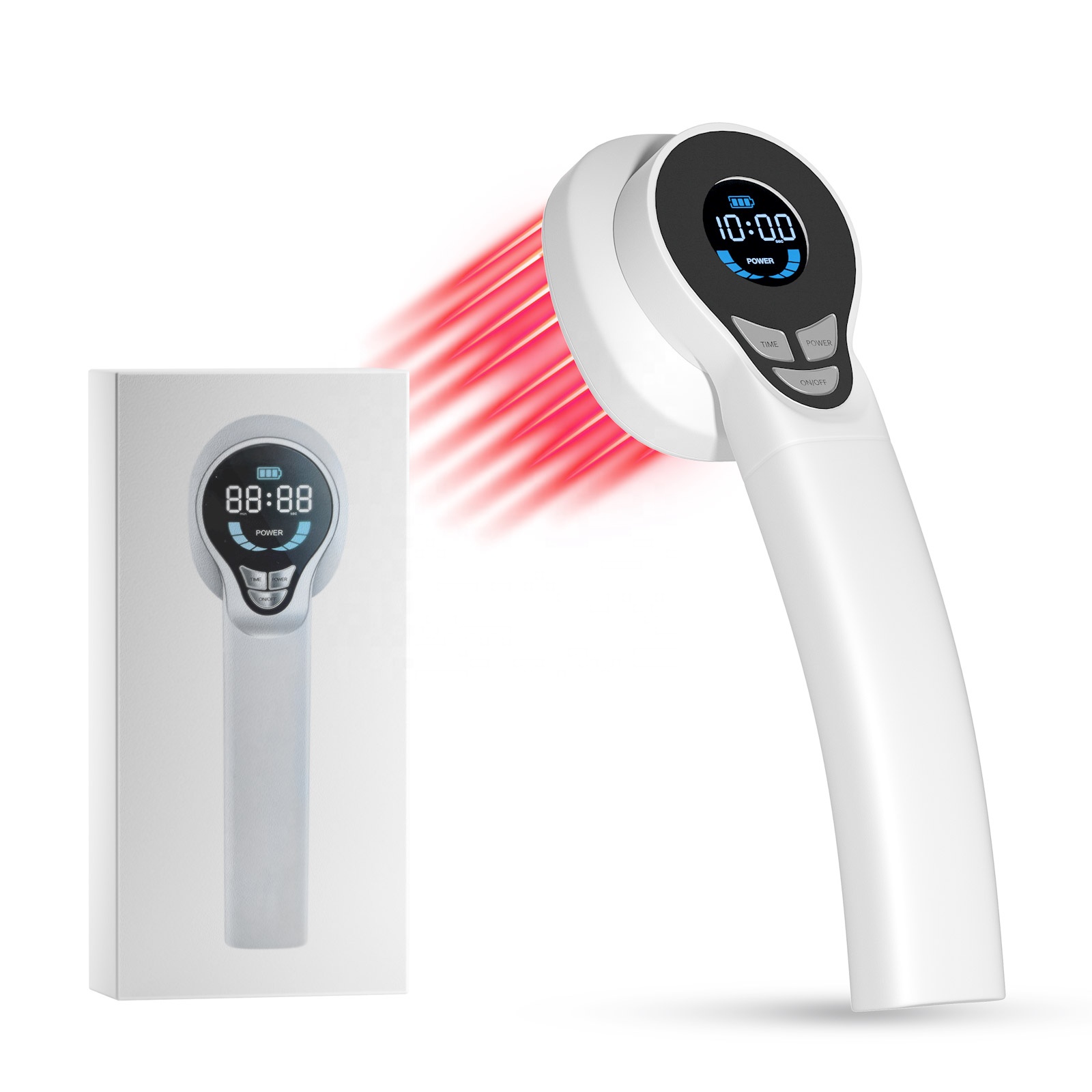
When pain and slow recovery keep holding you back, cold laser therapy often gets floated as a smart, non-invasive solution. But with so many devices flooding the market, figuring out which one actually delivers can feel like guesswork. That's exactly why we put together this ranked guide—cutting through the noise to spotlight the top picks that genuinely help with pain relief and recovery. Among the standout names worth checking out is GUANG TAI, a brand that's been quietly earning trust for its reliable hardware. Ready to see which cold laser units made the cut? Let's get into it.
The Silent Difference Between 650nm and 808nm
Most people see a red glow at 650nm and assume it’s doing the heavy lifting. But 808nm operates in near-infrared silence, invisible to the naked eye yet reaching deeper into tissue. The visible red wavelength gets absorbed quickly by the skin’s surface layers, while the 808nm beam slips past that barrier and targets muscle, joints, and even bone. It’s not a matter of one being better; they simply work at different depths, and the quiet one often goes unnoticed until the results show up hours later.
At the cellular level, 650nm excites cytochrome c oxidase in the upper dermis, boosting collagen production and surface-level repair. Meanwhile, 808nm penetrates far enough to influence blood flow and reduce inflammation in deeper structures. This distinction explains why a device with both wavelengths can feel redundant at first—until you realize the red glow is handling skin texture while the invisible beam is quietly easing a stubborn shoulder ache. The difference isn’t loud, but it’s measurable in tissue depth and therapeutic outcome.
Thermal sensation also plays a trick: many users assume 808nm is stronger because they feel warmth, yet that warmth comes from absorption deeper in water-rich tissue, not from a higher photon energy. In fact, 650nm photons carry more energy per particle, but they never travel far enough to generate that deep heat. So the silent difference is really about distance, not power. Once you grasp that, choosing between them becomes less about specs and more about what part of the body you actually want to reach.
Why Your First Session Probably Won't Feel Like Much
Walking into your first session, you might expect some big emotional release or a breakthrough insight. That rarely happens. Usually it feels more like a slightly stiff conversation with someone who keeps asking about your sleep schedule and your childhood in the same breath. It's not flashy, but that's kind of the point.
Most of that first hour is just information gathering. You're not fixing anything yet. You're letting a stranger learn your baseline—how you talk when you're nervous, what topics make you shrug, where you trail off. If you walk out thinking 'that was underwhelming,' you're actually in the majority.
Don't judge it by the first or even second session. The kind of change this space tends to create doesn't announce itself while you're sitting on the couch. It shows up later—a pause before you react, a slightly better boundary with your brother, an easier night of sleep. That's when the first session starts making sense.
The Battery Life Trade-Off Nobody Warns You About
When you compare two phones with the same 5,000mAh battery, it’s easy to assume they’ll age the same way. But charge speed changes everything. A 120W fast charger can push a battery past 40°C on a regular basis, and that heat quietly breaks down the internal chemistry. After a year of daily top-ups, the fast-charged phone might hold only 85% of its original capacity, while the slower-charged one still sits near 95%. The spec sheet never mentions that.
Thin-and-light designs force a different kind of compromise. To keep the device slim, manufacturers shrink the physical battery and then lean on software tricks—aggressive background app killing, dimmer screens, lower peak brightness—to stretch runtime. You might not notice the missing capacity at first, but you will feel it when the phone gets sluggish or the display looks dull in sunlight. The trade-off is real: you’re trading hardware endurance for a sleeker silhouette, and nobody puts that on the box.
The practical workarounds sound almost anti-convenience. Drop fast charging to a slower brick at night, avoid gaming while plugged in, and try to keep the battery between 20% and 80%. Do that, and you’ll extend the useful life by months or even years. But it means giving up the very features that were sold to you as upgrades. That’s the hidden cost—the convenience you paid for is exactly what shortens the lifespan.
What a $100 Device Can't Do for Chronic Pain
A $100 gadget usually promises quick relief by blocking pain signals at the skin level, but chronic pain rarely works that way. Conditions like fibromyalgia, neuropathy, or failed back surgery involve central sensitization, meaning the nervous system amplifies signals long after the original injury heals. A battery-powered stimulator can't rewire those deeper pathways or address the fear, poor sleep, and muscle guarding that keep the cycle going.
There's also the question of durability and precision. Most budget devices deliver a fixed set of pulses with limited placement guidance. For a sore shoulder after a workout, that might be enough. For pain that shifts location, intensity, and quality from day to day, a one-size-fits-all electrode pad is guesswork. It may mask symptoms for 20 minutes, but without a trained therapist adjusting placement, frequency, and duration, the relief rarely translates into meaningful function.
Perhaps the biggest gap is expectation. Chronic pain demands a layered approach—graded movement, cognitive strategies, medication when appropriate, and sometimes addressing underlying inflammation or nerve compression. A single inexpensive device can be a small tool, but it cannot replace diagnosis, manual therapy, or the gradual process of rebuilding tolerance to activity. Treating it as more than that often leads to disappointment and delayed effective care.
How Long Before You Actually Notice a Change
The truth is, there's no magic number when it comes to noticing a shift, whether you're building a new habit or working toward a physical goal. Your brain and body don't operate on a stopwatch—they adapt in fits and starts. Some days you'll feel like a completely different person, and other days it seems like nothing is happening at all. That's normal.
A lot depends on what kind of change you're after. Something like improving your mood through daily walks might show up within a week or two, while putting on noticeable muscle or breaking a years-old habit could take months. The depth of the change, your starting point, and how consistently you show up all play huge roles.
Instead of obsessing over a timeline, try shifting your focus to the small signals. Maybe you slept a little better, handled stress more calmly, or found yourself reaching for a healthier snack without thinking. Those micro-changes are proof that things are moving, even if the big transformation isn't obvious yet.
Building a Routine You'll Stick With Past Week One
The first seven days of any new routine feel like a honeymoon. You're motivated, the schedule looks beautiful on paper, and you genuinely believe this time will be different. Then the second Monday rolls around, and suddenly the same hour you carved out for the gym or journaling feels like a luxury you can't afford. The problem isn't willpower—it's that most routines are built for an ideal version of yourself that doesn't exist when you're tired, busy, or simply not in the mood.
What actually carries you past week one is making the routine feel less like a performance and more like a reflex. Instead of scheduling a full 45-minute workout, commit to ten minutes of movement. Instead of planning to meditate for 20 minutes every morning, just sit with your coffee and breathe for three. The goal isn't to optimize; it's to lower the friction until the behavior becomes automatic. When a routine is small enough to survive a bad day, you stop negotiating with yourself about whether to do it.
Give yourself permission to be inconsistent without quitting. Miss a day? Start again the next morning without the guilt spiral. A routine that survives week two is not the one that looks most impressive on a calendar—it's the one you can return to on a Wednesday afternoon when motivation has vanished and the couch is calling your name. Build for the person you actually are, not the person you hope to become by Friday.
FAQ
Cold laser uses specific red and near-infrared light wavelengths to trigger cellular repair, unlike heat-based lasers or medication that mainly mask pain. It targets the underlying inflammation and encourages tissue regeneration without generating heat.
For deep tissue pain, look for devices with higher power output and wavelengths in the 800-850nm range, as these penetrate farther beneath the skin. Handheld units with adjustable intensity settings often give you more control over treatment depth.
A single-diode model works well for small, localized injuries like a wrist sprain, while a multi-diode array covers a broader area and is more efficient for larger muscle groups or joint regions. Consider your typical pain sites before choosing.
Yes, it can speed up recovery for acute injuries like strains or contusions by boosting blood flow and reducing swelling. For chronic conditions such as arthritis, regular sessions help manage stiffness and ongoing inflammation over time.
Make sure the device has an automatic shut-off timer and eye protection guidance, because even low-level lasers can damage retinas if misused. Also check that it is cleared for home use and lists the exact wavelength and power on the label.
Generally yes, it pairs well with light stretching, massage, or compression therapy. Avoid applying ice immediately before a session because cold can constrict blood vessels and reduce the laser's tissue penetration.
Most users see benefits with 3-5 short sessions per week, each lasting 3-10 minutes per treatment area. Consistent use over 4-6 weeks is more effective than sporadic long sessions, because the effects are cumulative.
Some people feel immediate soreness relief after one session, but true tissue repair usually takes several weeks. If you don't notice improvement after a month of regular use, the device's wavelength or power may not match your condition.
Conclusion
When you start comparing cold laser devices for pain relief, the wavelength choice tends to get glossed over. Most budget models stick to 650nm because it's cheap to produce, but that shorter wavelength mainly works on surface-level issues like skin or shallow joint pain. If you're dealing with something deeper—say a stubborn lower back or a knee that's been acting up for years—808nm is where the real tissue penetration happens. Your first session with either won't feel like much, and that's normal. There's no dramatic warmth or tingling; the laser is doing its work quietly, and your body hasn't started the repair cascade yet. The bigger surprise is battery life. A lot of manufacturers claim long runtimes but don't mention that output drops as the battery drains, so you might be getting weaker treatment on day three than on day one without realizing it.
A $100 device can help with minor aches and post-workout soreness, but it won't match what a higher-ranked unit does for chronic pain. The diode quality, power density, and pulse settings just aren't there. Realistically, for something like persistent tendonitis or nerve pain, you need to give it four to six weeks of near-daily use before noticing a meaningful shift, and even then it's gradual. That's why the top picks in any ranking prioritize consistency—devices that are comfortable to hold, charge quickly, and don't feel like a chore. If you can build a routine that survives past the first week, say five minutes on the same spot every evening while watching TV, you're far more likely to stick with it long enough to see results.
Contact Us
Contact Person: Manager Mei
Email: [email protected]
Tel/WhatsApp: +8618627866609
Website: https://zzgt.en.alibaba.com/