

China Ozone Machine: A Complete Buyer's Guide for Clean Air Solutions
2026-09-29
Finding a reliable China ozone machine for clean air shouldn't feel like a gamble. Yet many buyers end up disappointed by weak output, confusing safety claims, or poor build quality. This guide is designed to change that. We'll walk you through the key factors that separate a genuinely effective unit from a waste of money—covering everything from ozone output and room size to material durability and after-sales support. Along the way, you'll see why LUFUTATECH has become a name worth knowing in this space. Let's dive in before you make a costly mistake.
How Ozone Generators Actually Work and Why That Matters for Your Air
Ozone generators don't filter air the way a HEPA unit does. They create ozone—a reactive molecule made of three oxygen atoms—by sending a high-voltage electrical charge through oxygen molecules, splitting them and letting them recombine as O3. That ozone then circulates into the room. The third oxygen atom is loosely bound and will readily detach to oxidize particles, microbes, and odors it bumps into. This reaction can break down some pollutants, but it also produces byproducts, and the ozone itself is a lung irritant if levels climb.
The practical consequence matters more than the chemistry. Because ozone is a gas, it can reach into spaces that filters can't—behind furniture, into carpets, inside ductwork—which is why people often notice a distinct clean smell after running one. But that smell isn't a sign of clean air; it's ozone. At safe concentrations, the effect on most indoor pollutants is modest, and many devices don't have precise output controls, so a room can easily tip into levels that cause coughing, throat irritation, or shortness of breath in sensitive people. If you're using one, keep people and pets out of the room until it airs out.
So the key question isn't whether ozone reacts with pollutants—it does—but whether the reaction happens fast enough and completely enough to make air healthier without adding a new risk. In many homes, better ventilation and a good particle filter will do more for actual air quality than a small ozone plate. Understand the mechanism, and you'll see why these machines split opinion: they're not useless, but they're easy to misuse.
Matching Generator Size to Room Volume Without the Guesswork
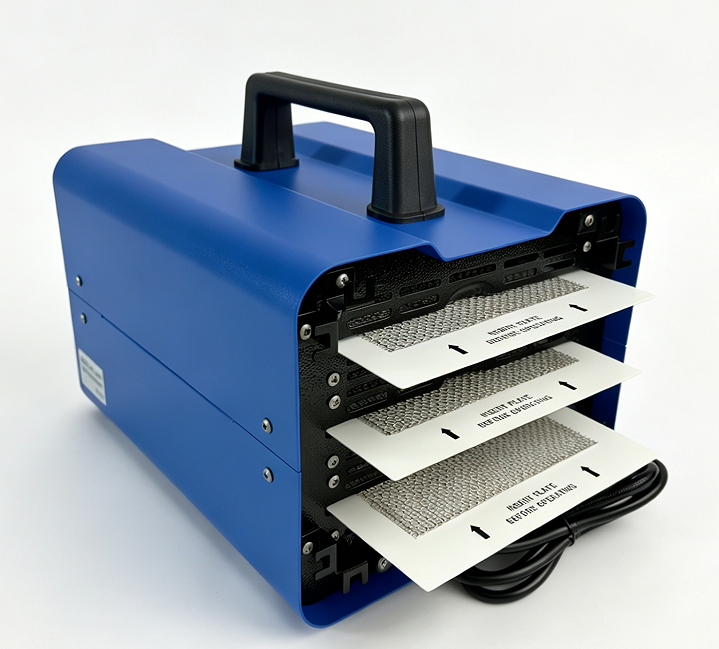
Picking a generator based on square footage alone is a quick way to end up with a unit that drowns out conversations or one that wheezes under a minor load spike. Room volume matters more than floor area because sound waves fill vertical space too. Start by measuring length, width, and ceiling height, then multiply them for cubic feet. A compact 2,000-watt inverter generator can handle a 1,200-cubic-foot workshop with basic tools, while the same unit might strain in a 3,000-cubic-foot garage powering a compressor and lights simultaneously.
Instead of relying on vague wattage charts, think about your actual peak draw and add 20 percent headroom. Most small rooms under 1,500 cubic feet do fine with 1,800 to 2,200 watts. Mid-sized spaces up to 3,000 cubic feet usually need 3,000 to 4,500 watts if you run a refrigerator or space heater. For large open areas over 4,000 cubic feet, skip the portable class entirely and look at 5,500 watts or more, preferably with a low-total harmonic distortion rating to keep electronics safe.
A practical test: plug in your highest-draw device first, then add smaller loads one by one. If the generator's engine pitch drops sharply or lights flicker, you've hit the ceiling. Also pay attention to runtime at half load — a unit that sips fuel quietly at 50 percent will serve a small room better than a louder model that constantly cycles at 90 percent. This method removes guesswork because it ties output directly to cubic feet and real usage patterns, not marketing labels.
Safety Features Worth Checking Before You Spend a Cent
A low sticker price means nothing if the car folds like a soda can in a fender bender. Before you hand over any money, look past the shiny paint and check the crash-test scores from independent labs. Solid ratings for side-impact and small-overlap collisions tell you more about real-world survival than any spec sheet. Then pop the hood mentally: count the airbags, and make sure side curtain and knee airbags aren’t missing from the cheaper trim. Electronic stability control and anti-lock brakes should be non-negotiable on anything built in the last decade, but it’s worth confirming they’re actually present and not just listed as an option package.
Active safety gear is where many budget models quietly cut corners. Automatic emergency braking isn’t a luxury add-on anymore; it should be standard on most cars from the last five years. While you’re at it, test the blind-spot warning and rear cross-traffic alert in a crowded parking lot, because those systems can be wildly inconsistent between brands. Adaptive headlights that actually bend into corners are a bonus, but at the very least make sure the base headlights don’t leave you squinting on unlit roads. Skip the extended warranty pitch and ask one simple question instead: which of these features are included on the exact VIN you’re about to buy?
What Separates Reliable Chinese Manufacturers from the Rest
Reliable Chinese manufacturers stand out because they treat quality control as a daily habit rather than a last-minute checkbox. You can spot them by their willingness to share detailed process documentation, their familiarity with international compliance standards, and the fact that they ask clarifying questions before quoting—not after.
Another clear separator is how they handle problems. A trustworthy factory will flag a material shortage or a tolerance drift early, instead of waiting for you to discover it in a pre-shipment inspection. They also tend to have stable management and a core technical team, which means the person who understands your product isn't replaced every six months.
Finally, these manufacturers don't chase every order at any cost. They push back when a design will fail in production, suggest materials that actually match your target price point, and keep communication straightforward. That combination of expertise, honesty, and consistency is what makes them reliable partners rather than just suppliers.
Maintenance Habits That Keep Ozone Output Consistent
Regular cleaning of the ozone generator's corona cell is essential for steady output. Dust, moisture, and residue from the air can accumulate on the dielectric surface over time, reducing the efficiency of the electrical discharge. A soft brush and a mild, non-abrasive cleaner every few weeks keep the reaction chamber clear, allowing the same voltage to produce the expected concentration without unexpected drops.
Checking and replacing air filters on schedule prevents airflow restrictions that directly impact ozone production. When intake filters clog, the oxygen supply thins and the generator works harder while yielding less ozone. Swapping out filters before they become visibly dirty, rather than waiting for a performance dip, keeps the output curve flat and predictable across long operating sessions.
Finally, monitoring the cooling system and keeping ambient temperatures within the recommended range protects the internal components from thermal drift. Overheating can alter the dielectric properties and shorten the lifespan of the electrodes, leading to gradual output decline. A quick monthly inspection of fans, vents, and heat sinks, along with prompt removal of any obstructions, maintains the thermal balance needed for consistent ozone generation.
Uncommon Uses Beyond Basic Odor Removal That Deliver Real Value
Most people reach for an odor eliminator when something smells off, but the real magic happens when you start using it as a quiet problem-solver around the house. Dabbing a bit on the inside of a trash can before adding a new bag creates a barrier that keeps the bin from turning sour between changes. A few drops in the bottom of a diaper pail or pet waste bin stops the space from becoming a no-go zone, even on warm days. It also works wonders on musty luggage or gym bags that have been sitting in storage — just wipe down the interior and let it air dry.
Beyond the expected spots, this kind of product can rescue items you'd normally toss. Spray a light mist inside smelly shoes, then leave them in a breezy spot overnight; the next morning they're ready to wear without that embarrassing funk. Use it to refresh a car interior that's absorbed fast-food grease and damp dog fur — a quick pass over the seats and floor mats brings back a neutral baseline. Even stubborn odors trapped in foam couch cushions or area rugs respond well when you lightly treat the surface and let it evaporate instead of masking with heavy fragrances.
The practical upside often shows up in shared spaces. A small amount wiped inside a refrigerator after cleaning keeps onion and fish smells from migrating into butter or leftovers. In a rental or dorm room, treating curtains, closet corners, and behind the bed frame removes the stale “previous tenant” layer without needing to repaint. It's also a smart move before guests arrive: hit the entryway, bathroom, and near the kitchen bin so the whole place reads as fresh rather than perfumed. These quiet uses deliver more than odor control — they buy back comfort and keep small annoyances from becoming daily frustrations.
FAQ
It releases ozone, a reactive gas that attaches to odors, bacteria, mold spores, and other pollutants. Instead of trapping particles like a filter, ozone breaks them down at a molecular level. This makes it useful for removing stubborn smells from smoke, pets, or mildew when no one is in the room.
Yes, ozone can irritate the lungs at high concentrations, so you should never stay in the room while it's running. After the cycle, give the space at least 30 to 60 minutes to air out before re-entering. Keep pets, plants, and kids away during treatment and until the ozone dissipates.
It depends on the room size and the severity of the odor. For a small car or closet, a unit producing 500–1000 mg/h is usually enough. For a large living room or commercial space, you might need 3000–5000 mg/h or more. Always check the manufacturer's coverage chart and factor in ceiling height.
Look beyond price. Check if they provide third-party test reports, clear warranty terms, and responsive after-sales support. Ask for samples, verify their export experience, and see if they can customize voltage or plug types for your market. A factory with ISO or CE documentation is a good sign, but dig into how they handle quality control.
Many units are designed for air, but some can be connected to a diffuser stone or venturi injector for water ozonation. If you need to purify drinking water, a dedicated water ozone generator with the right fittings is safer. Mixing air and water setups without proper conversion kits often leads to poor results.
Ceramic or quartz ozone plates usually last 2,000 to 5,000 hours depending on humidity and dust. Check the air intake filter monthly and clean it if it's clogged. If the ozone smell weakens over time, the plate may need replacement. Keep the unit dry and avoid running it in very dusty environments without pre-filtration.
Corona discharge units use high voltage to create ozone from oxygen in the air and produce much higher output, making them better for whole-room odor removal. UV-based generators produce lower ozone levels and are often used for small spaces or continuous low-dose sanitation. Corona machines cost more but deliver stronger results.
For a mild smell, a 30-minute to 1-hour treatment may be enough. Heavy smoke damage from a fire or years of indoor smoking can require multiple 2–3 hour sessions over several days. After each run, open windows and let the room ventilate completely. You may also need to clean surfaces because ozone does not remove residue, only the odor molecules in the air.
Conclusion
A China ozone machine purchase goes wrong only when buyers skip the physics and jump straight to price. Ozone itself is a reactive gas that oxidizes odor molecules, mold spores, and bacteria rather than covering them up with fragrance. That means the output rating needs to fit the room volume, not some inflated “max coverage” claim. A 500 mg/h unit in a 10 square meter bathroom can push ozone levels above what is safe to breathe, while that same unit in a 200 square meter warehouse will barely make a dent. Always measure the space and check whether the machine lets you adjust output instead of running full blast. Built-in timers, delayed start, and automatic shut-off are non-negotiable because you cannot be in the room during treatment. When comparing Chinese manufacturers, look for third-party lab reports, specific plate materials like quartz or ceramic, and a clear warranty that covers the ozone module. If a seller cannot tell you the expected plate lifespan or replacement cost, they are not a serious supplier.
Long-term value comes from consistent upkeep and using the machine for more than just trash can smells. Ozone plates degrade with use, especially in humid air, so wiping or replacing them every few months keeps the output from dropping silently. Check the fan and intake filter too; a dusty machine produces less ozone and more heat. Beyond basic odor removal, a properly sized generator can slow spoilage in stored fruits and vegetables, disinfect water tanks, freshen gear like hockey bags or wetsuits that cannot be washed easily, and keep mold from taking hold in boats, cabins, or root cellars. The key is matching the unit to the job—serious water or mold problems need higher output and longer run times, while small closets only need a short burst. Buy from a supplier that supports you after the sale with plate replacements and honest run-time guidance. That separates a reliable China ozone machine from a gadget that ends up in the back of a shelf.
Contact Us
Contact Person: Paul Luo
Email: [email protected]
Tel/WhatsApp: 0086-19966314501
Website: https://www.lufutatech.com