

China Brewing Equipment: A Complete Guide for Craft Brewers
2026-11-16
Think Chinese brewing equipment is only about low-cost tanks? It’s time to look closer. Today’s craft brewers are finding that China offers far more than a cheap price tag—think modular brewhouses, precision-welded fermenters, and fast customization that fits your exact floor plan. This complete guide cuts through the noise, showing you how to evaluate suppliers, avoid common pitfalls, and get the best return on your equipment budget. Along the way, we’ll share field-tested insights from DYE, a brand that has helped breweries of all sizes source smarter. By the end, you’ll know exactly what to ask before you buy—and why more craft brewers are looking east.
The Quiet Shift: Why Craft Brewers Are Looking East for Gear
A decade ago, most American craft brewers wouldn't have considered buying a mash tun or fermenter from Asia. The assumption was that if you wanted reliable stainless steel, you stuck with German or American fabricators. But that assumption has quietly eroded. A growing number of small and mid-sized breweries are now ordering brewhouses, tanks, and even entire turnkey systems from manufacturers in China, South Korea, and Taiwan. The reasons aren't just about saving a few thousand dollars. These suppliers have spent years studying Western brewing standards, hiring experienced welders, and investing in precision equipment. The result is gear that often matches or exceeds the build quality of traditional sources at a fraction of the price.
Beyond cost, there's a flexibility angle that many brewers find compelling. Asian fabricators tend to be more willing to handle custom requests on smaller runs, whether it's an odd-sized bright tank, a specific glycol jacket layout, or extra ports for dry hopping and temperature probes. Lead times, once a major headache with overseas orders, have also tightened significantly. Some Chinese manufacturers now deliver to the U.S. in under ten weeks, which rivals domestic shops. It's not a wholesale takeover, and plenty of brewers remain loyal to legacy brands. But the quiet shift is real: when a new brewery opens or an existing one expands, the equipment shortlist increasingly includes names you wouldn't have recognized ten years ago.
Reading a Chinese Supplier’s Spec Sheet Like a Brewer, Not a Buyer
A buyer glances at a Chinese spec sheet and sees columns of numbers, certifications, and maybe a few red flags around lead times or minimum order quantities. A brewer reads the same page like a recipe in disguise. The malt extract line isn't just an ingredient—it's a conversation about diastatic power, color in EBC, protein content, and whether that base malt was kilned high enough to leave unfermentable sugars behind. You're not checking off a box; you're mentally mashing in, predicting runoff clarity, and deciding if the final gravity will land where the style demands.
Water chemistry entries get the same forensic treatment. A buyer might skim past calcium chloride and gypsum as standard salts. A brewer pauses at the sulfate-to-chloride ratio because that single number will push the hop bitterness forward or soften the mouthfeel into malt territory. Even the hop specification is read backward from the glass—an alpha acid percentage isn't a purchase order detail, it's a starting point for calculating IBUs at 60 minutes versus a whirlpool addition, factoring in storage conditions and harvest year because alpha acids decay and no two lots behave the same.
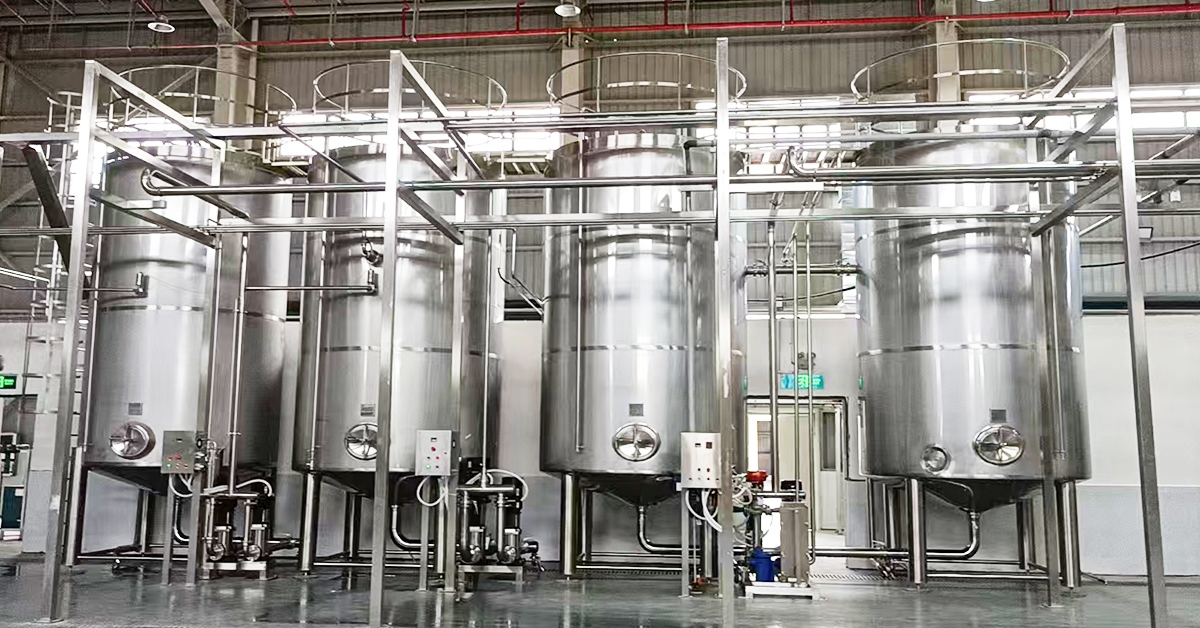
Equipment spec sheets invite the same habit. A fermenter listed at 10 hectoliters is not just a volume; the cone angle, jacket zoning, and sample valve placement dictate how clean the yeast crop will be, how aggressively you can dry hop without clogging, and whether you can crash to 3°C without stratification. Reading like a brewer means turning every listed parameter—particle size distribution in a grain bill, passivation layer on stainless, false bottom slot width—into a concrete choice at the brewhouse. The supplier's sheet stops being a document to approve and starts being a set of instructions you'd write for yourself.
What Freight Quotes Leave Out: Tariffs, Port Fees, and Waiting Games
A freight quote rarely tells the whole story. The base rate you see might cover the ocean leg, but it quietly ignores the customs broker's cut, the tariff classification that can swing your total by double digits, and the port fees that pile up faster than pallets on a dock. Shippers who assume the quote is the final number often learn the hard way that the real cost surfaces only after the cargo is already committed.
Then there's the waiting game. Dwell time at congested terminals doesn't appear on any rate sheet, yet it can eat into your margin with detention and demurrage charges that no forwarder likes to mention upfront. Vessel schedules shift, containers sit in stacks, and every extra day adds a fee that was never part of the conversation. The most honest quote might be the one that warns you about what it can't predict.
What's missing from most freight quotes is the reality of trade compliance. A lowball number assumes a perfect world: no random inspections, no documentation holds, no surprise tariff reclassification. But one customs query can turn a two-day clearance into a two-week delay, and suddenly that "cheap" rate is bleeding storage fees and missed delivery penalties. Smart shippers ask not just for the price, but for the list of things the price forgot to include.
Turnkey vs. Piecemeal: Matching Chinese Equipment to Your Brewery’s Real Workflow
When a brewery starts eyeing Chinese equipment, the first fork in the road is rarely about tanks or kettles—it's about how much of the build you want to own as a system. Going turnkey means one vendor takes responsibility for the brewhouse, fermentation, chilling, and often the piping and controls, delivered as a package that should fire up with minimal tweaking. Piecemeal, by contrast, lets you pick a mash tun from one factory, fermenters from another, and a glycol chiller from a third, then bolt it all together yourself. The appeal of turnkey is obvious if your workflow is already locked in: you get a single point of contact, faster commissioning, and fewer finger-pointing sessions when a pump doesn't talk to a temperature controller. But the hidden cost is that you inherit someone else's idea of a standard layout, which may not match how your brewers actually move grain, chase gravity readings, or clean between batches.
Chinese manufacturers have blurred the old line between off-the-shelf and fully custom. Many of them now offer semi-turnkey solutions where you can specify tank geometry, add a grant or a hop back, or insist on butterfly valves instead of ball valves without jumping to a bespoke price tier. This matters because a real brewery workflow is full of small physical constraints: a doorway that's 10 cm too narrow, a floor drain in the wrong corner, a steam boiler that can't quite keep up with a 500-liter kettle on a cold morning. If you go piecemeal, you can solve each of those problems as they appear, often by buying a component that's slightly overbuilt for today but right for next year's expansion. The risk is that you become your own integrator—sizing heat exchangers, matching pump curves, and debugging a control panel that arrived with Chinese labels and no wiring diagram in English.
A practical way to decide is to map your current brew day from grain-in to keg-out, then mark every step that already causes friction. If the pain points are mostly electrical, like inconsistent mash temps or a fermenter that won't hold pressure, a turnkey system from a vendor with a strong local service record can erase them fast. If the pain points are mechanical and space-driven, like needing a lauter tun that fits under a low ceiling or a bright tank that can double as a serving vessel, piecemeal lets you shop for those exact fixes. Avoid the trap of assuming turnkey means zero work: you still need to verify that the vendor's wiring matches your local voltage, that the glycol loop is sized for your climate, and that spare parts won't take six weeks to arrive. And avoid the opposite trap of thinking piecemeal is always cheaper—once you add freight from three different ports, custom brackets, and your own labor hours, the savings can evaporate. Match the equipment to the way your brewery actually runs, not to a brochure's idea of a perfect setup.
After the Invoice: Getting Spare Parts and Real Support From Overseas
The real test of an overseas supplier rarely happens before the invoice is paid. Once a machine breaks down or a component wears out, you quickly learn whether the relationship extends beyond the sale. Time zones, customs clearance, and language gaps turn a simple spare part request into a multi-week waiting game. Some buyers discover too late that the part they need isn't stocked locally and must be shipped from the factory on another continent.
Practical support starts with asking uncomfortable questions before you commit. Find out where spare parts are physically stored, how long a typical shipment takes, and whether warranty replacements include shipping and import duties. A supplier that offers a local service partner or remote diagnostics can save you from expensive downtime. If the answer is vague, treat that as a warning sign—not a minor detail.
Build direct contact with a technical person, not just a sales representative. Ask for exploded-view diagrams, part numbers, and a recommended spare parts list before you need them. A supplier willing to share this information is far more likely to help when something actually fails. After the invoice is paid, that kind of preparation is what separates real support from empty promises.
Brew Day Notes From Craft Brewers Running Chinese Kits
The first brew day with a Chinese all-in-one system surprised us with how quiet the pump was compared to the usual gear. The mash recirculation needed a slower start, otherwise the fine crush from the included mill packed the grain bed tight and nearly stuck the sparge.
We ended up adding 300 grams of rice hulls to every batch after that, and bumped the strike water temperature by two degrees because the temperature probe sits lower in the kettle than the instructions assume. Boil-off was also lower than the manual claimed, so we now start the boil with an extra litre of pre-boil volume.
Fermentation temperature control using the kit's own chiller coil worked fine for ales, but lagers needed an external ice bath on the fermenter during the first three days. One brewer noted that the included silicone hoses pick up hop aroma after a single IPA, so dedicated lines for clean beers are worth the extra cost.
FAQ
Many workshops can produce mash tuns, brew kettles, hot liquor tanks, and unitank fermenters in sizes from a few hundred liters up to several thousand, often with optional internal cooling jackets and custom port placements.
It varies widely by factory. Some larger, export-focused shops use food-grade stainless steel, sanitary welding, and precise polishing, while smaller vendors may cut corners. Checking references and requesting detailed photo or video walkthroughs before ordering is wise.
Yes, most established manufacturers accept CAD drawings or rough sketches and will adjust vessel dimensions, nozzle threads, control panel layouts, and pump placements to fit your space.
Crated equipment often ships via sea freight in partial or full containers. Duties depend on the destination country's tariff codes for brewing machinery, and using a freight forwarder with experience in food-processing imports can prevent delays.
The better-known brands that export to craft breweries usually pair their tanks with third-party or in-house chillers and PLC panels that work reliably. Ask for component lists, wiring diagrams, and remote start-up support before committing.
Lead times usually range from eight to sixteen weeks, depending on customization and the factory's order backlog. Sea shipping can add two to five weeks more, so planning at least four to six months ahead is common.
Many offer video walkthroughs, English manuals, and live chat or WeChat/WhatsApp support during installation. Some also arrange third-party technicians to visit your site for an extra fee.
A typical arrangement is 30% deposit before production and 70% balance before shipment. Using trade assurance platforms, requesting a pre-shipment inspection, and splitting payments through a bank with international trade experience can reduce risk.
Conclusion
Craft brewers used to swear by German or American kettles, but that's changing fast. The quiet shift toward Chinese equipment isn't about chasing the lowest sticker price; it's about getting serious value for a build-out budget that keeps shrinking. The trick is learning to read a supplier's spec sheet the way a brewer would—checking grain bed depth, false floor open area, and steam jacket ratings instead of just tank volume and shiny welds. Freight quotes tell only part of the story. Tariffs, port congestion fees, and customs delays can eat up the savings if you don't plan for them. Smart brewers pad the timeline by six to eight weeks and ask suppliers for CIF or DDP terms upfront.
Going turnkey sounds tempting, but it rarely matches a real brewing workflow. Most brewers end up mixing Chinese tanks with local pumps, chillers, and controls—piecemeal lets you spec the parts that matter while saving on the stuff that doesn't. After the invoice clears, the real test begins. You need a supplier who will answer WeChat messages at midnight and ship a replacement solenoid before your next brew day. Spare parts for Chinese-built systems are cheap, but only if you stock the consumables ahead of time. Brewers running Chinese kits often talk about tweaking manifold positioning, adding sight glass guards, and swapping out cheap gaskets after the first year. The beer, though, speaks for itself—clean fermentations and consistent knockout temps aren't about where the steel was rolled; they're about how well you dial in the system. That's the real guide to buying Chinese gear: treat it like any brewing equipment, not a bargain bin mystery.
Contact Us
Contact Person: Ada Xu
Email: [email protected]
Tel/WhatsApp: 0577-86806088
Website: https://www.dayuwz.com/