

China Bag in Box for Wine: Revolutionizing Packaging and Sustainability
2026-08-04
As the wine industry turns a sharper eye toward eco-conscious solutions, the bag-in-box format is shedding its outdated image and stepping into the spotlight. In China, this shift is gaining momentum, driven by a demand for packaging that preserves freshness while slashing waste. At the forefront of this transformation is Kody, a brand that’s redefining how wine is stored, shipped, and enjoyed. But what exactly makes this unassuming box a game-changer for sustainability and quality? Let’s uncork the details.
A New Chapter in Wine Packaging: China Embraces the Bag-in-Box
China's wine market has long been associated with cork-sealed bottles and heavy glass, but a quiet revolution is underway. The bag-in-box format, once dismissed as a novelty for cheap imports, is now gaining traction among producers and consumers looking for smarter, more sustainable options. This shift isn’t just about convenience—it reflects a deeper change in how wine is enjoyed across the country, from bustling city apartments to outdoor gatherings where practicality matters as much as taste.
Winemakers in regions like Ningxia and Shandong are leading the charge, experimenting with premium bag-in-box offerings that challenge old stereotypes. By using advanced barrier films and nitrogen flushing, they’re preserving freshness for weeks after opening, a feature that resonates with casual drinkers who don’t finish a bottle in one sitting. Restaurants and bars are also taking note, adopting the format for by-the-glass programs that reduce waste and maintain consistent quality without the hassle of corks.
Perhaps most striking is the environmental appeal. In a country where sustainability is becoming a mainstream concern, the lighter packaging slashes carbon emissions during transport and eliminates the need for glass recycling infrastructure. As younger consumers prioritize eco-friendly choices, the bag-in-box is shedding its downmarket image and stepping into the spotlight as a thoughtful, modern solution for everyday wine enjoyment.
Sustainability Uncorked: Cutting Waste from Vineyard to Table
In the vineyard, every grape matters. We’ve reimagined pruning and harvesting to ensure that nothing goes to landfill. Grape pomace—the skins, seeds, and stems left after pressing—is no longer waste, but a resource. It’s composted to nourish the next vintage or sent to a local dairy for animal feed, closing the loop right where the vines grow. Even the canes we trim each winter get chipped and spread between rows to suppress weeds and retain moisture, reducing the need for herbicides and irrigation.
Inside the cellar, the push for zero waste picks up pace. We capture and reuse water from rinsing tanks, and every bottle, cork, and capsule is sourced with end-of-life in mind. Glass is lighter but just as strong, slashing shipping emissions without sacrificing quality. Corks are natural and fully compostable, and labels are printed with soy-based inks on recycled paper. Spent lees and tartrates find second lives, too, becoming fertilizer or even skincare ingredients in partnership with local artisans.
From the table back to the earth, the journey isn’t over. Restaurants that pour our wines participate in a take-back program for bottles and corks, ensuring they’re recycled or composted properly. Leftover wine from tastings never gets dumped; it’s turned into vinegar for our farm-to-table events. It’s a patchwork of small, deliberate shifts—each one trimming waste, shrinking our carbon footprint, and proving that a great glass of wine can leave the land richer than we found it.
Freshness Redefined: Dispelling Myths Around Bag-in-Box Quality
When people hear 'bag-in-box,' they often picture cheap, short-lived wine that oxidizes within days. The reality couldn't be more different. Modern bag-in-box technology uses multi-layered, high-barrier films with an EVOH oxygen barrier that actively prevents air ingress, while the collapsible bag design ensures zero headspace as liquid is dispensed. This means the product inside remains sealed off from oxygen, preserving freshness for weeks or even months after opening—something no rigid bottle can claim.
There's also a stubborn myth that the materials alter taste or leach chemicals. In truth, the food-grade inner layers are rigorously tested and inert, with no impact on flavor. Unlike cans, there's no metallic tang; unlike some plastics, no plasticizer migration. The airtight system even protects against light degradation, which can be a real problem for clear glass bottles. Many premium beverages now choose bag-in-box precisely because it safeguards the delicate flavor profile better than traditional packaging.
Durability concerns? They're largely unfounded. While physical punctures are possible, the corrugated outer carton and sturdy inner bag endure drops and bumps that would shatter glass. Temperature changes? The insulation of the box actually helps minimize thermal swings. The result is a package that delivers the same quality from first pour to last, redefining what consumers can expect from long-lasting freshness.
Tech on Tap: Smart Dispensing and the Modern Wine Experience
Imagine a wine bar where every pour is precise, temperature-controlled, and ready in seconds—no uncorking, no waste. Smart dispensing systems are quietly transforming how we enjoy wine, using pressurized canisters and inert gases to keep bottles fresh for weeks after opening. It’s not just about efficiency; it’s about access to rare vintages by the glass, served exactly as the winemaker intended.
Behind the sleek taps, technology does the heavy lifting. Automated inventory tracking and pour-cost analytics let sommeliers curate dynamic lists without the usual risks. For the drinker, it means a more adventurous and educational approach—flights of obscure varietals or side-by-side tastings become effortless. The ritual of the bartender wiping a bottle’s neck hasn’t disappeared; it’s evolved into a new kind of theater, where data and design meet tradition.
The human touch remains vital. Engaging with a knowledgeable staff member who can narrate the story of a sustainably farmed Grenache from a little-known Spanish village adds depth no machine can replicate. Smart dispensing gives them the tools to shine, turning a casual glass into a memorable encounter. It’s the convergence of innovation and hospitality, making every ounce count—for the palate, the planet, and the pleasure of discovery.
The Business of Better Wine: Cost Savings Meet Consumer Demand
Winemaking has always balanced art with economics, but the calculus has changed. Today, better wine doesn't have to mean higher costs. Growers are using cover crops and composting to improve soil health, slashing their reliance on synthetic inputs and irrigation. These regenerative practices often increase grape quality while trimming ongoing expenses—a quiet revolution that lets producers offer more expressive wines at accessible prices.
On the production side, energy efficiency and smarter logistics are reshaping margins. Solar-powered facilities, lighter bottling, and local sourcing of dry goods reduce overhead without touching the liquid inside. The savings get passed down the supply chain, landing on retail shelves in a way that catches the eye of customers who are done associating quality solely with a hefty price tag.
Consumers have grown skeptical of luxury markup. They're reading labels with sharper attention, hunting for authenticity and value in the same glass. Wineries that tap into this shift—where more responsible production meets genuine demand for affordable quality—aren't just selling wine; they're building loyalty that outlasts a single vintage.
Beyond the Bottle: Imagining the Next Decade of Wine Packaging
The wine industry is on the cusp of a packaging revolution that will fundamentally change how we interact with what's inside. The classic glass bottle, with its cork and foil, has dominated for centuries, but the next decade promises a radical departure. We’re not just talking about lighter bottles or alternative formats that already exist, like bag-in-box; we’re envisioning a shift toward packaging that actively participates in the wine’s story, from preserving freshness to enhancing the sensory experience. New materials and smart technologies will turn the vessel into a storyteller, a freshness guardian, and a canvas for personal expression—all while addressing the growing demand for sustainability without compromise.
Imagine a world where your wine package breathes with the liquid inside, using biopolymers derived from grape skins that regulate oxygen transmission naturally, eliminating the risk of cork taint and premature oxidation. These materials won't just mimic glass; they'll outperform it in flexibility and environmental footprint. Picture a sleek, collapsible pouch that expands as you pour, maintaining an inert atmosphere without any air ingress, so the last glass is as vibrant as the first. Beyond function, the surface of these packages will become interactive—embedded with near-field communication chips that, when tapped with a phone, reveal the winemaker’s tasting notes, the vineyard’s microclimate data for that vintage, or even a video of the harvest crew. This isn’t mere novelty; it’s a deepening of the bond between grower, maker, and drinker, making every sip an informed journey.
And then there’s the aesthetic rebellion against uniformity. With digital printing advances, wineries can release micro-batches of wines in packages that are miniature works of art, with textures that mimic stone, wood, or fabric, and patterns that change with temperature or light exposure—a visual cue that the wine is at its ideal serving condition. We'll see refillable designer vessels that become heirlooms, swapped out at local refill stations like growlers for craft beer but with a level of elegance that makes the ritual aspirational. In the next decade, wine packaging won’t be merely a container; it will be an integrated part of the pleasure, the memory, and the responsibility we take for our planet. The bottle, as we know it, will simply be a choice among many, and perhaps no longer the default.
FAQ
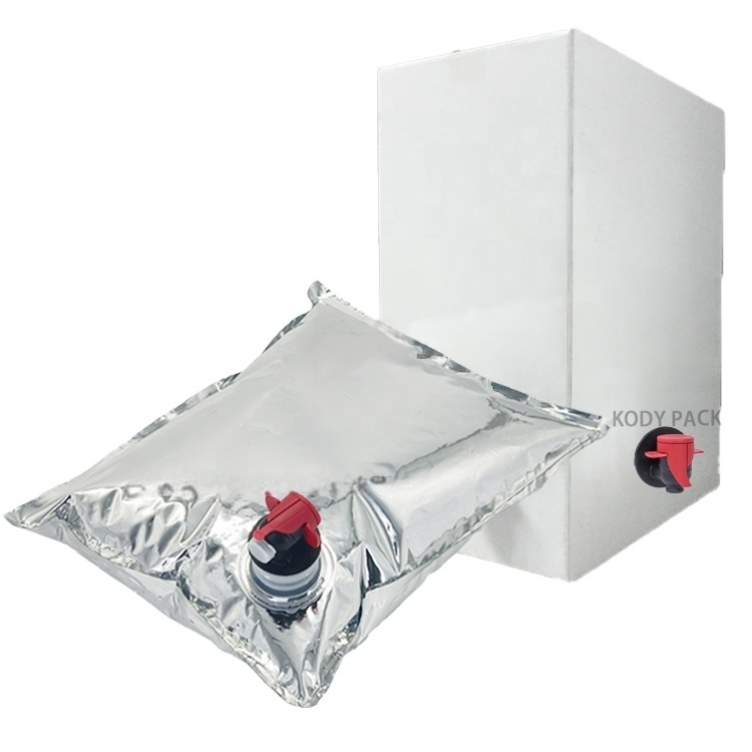
Bag-in-box packaging consists of a flexible, multi-layered bag with an airtight tap, secured inside a sturdy cardboard box. As you dispense wine, the bag collapses, preventing air from entering and keeping the remaining wine fresh for weeks.
China has rapidly advanced its packaging manufacturing capabilities, combining cost-efficient production with innovative material science. Many Chinese suppliers now offer custom-designed, high-barrier bags that meet international quality standards, making them attractive partners for global wine brands.
Compared to glass bottles, bag-in-box packaging significantly reduces carbon footprint due to lighter weight and compact shipping. The cardboard box is recyclable, and the bag uses less plastic than traditional bottles, while also minimizing wine waste by extending shelf life after opening.
Absolutely. The vacuum-sealed bag prevents oxidation, so once opened, wine can stay fresh for up to six weeks. For everyday wines, this actually outperforms the bottle, which allows oxygen in after the cork is pulled. Modern metallized films also protect against UV light and oxygen ingress before opening.
Young, fresh wines like Sauvignon Blanc, Pinot Grigio, rosé, and light reds are ideal because they're meant to be consumed within a year. However, with advanced oxygen-scavenging technology, even some medium-bodied reds can be packaged successfully. It's less common for premium, age-worthy wines that benefit from long bottle maturation.
Reputable Chinese bag-in-box producers adhere to stringent EU and FDA food contact regulations. They use food-grade polyethylene and ethylene vinyl alcohol layers, and many facilities are ISO 22000 and BRC certified. Third-party testing reports for migration and organoleptic properties are routinely provided to clients.
The packaging cost per liter is often 50% lower than glass bottles when factoring in materials, shipping, and breakage. Lightweight boxes slash freight expenses, and the compact format allows 40% more product per pallet. Plus, less damage in transit means fewer losses, boosting overall profitability for high-volume wines.
Yes, customization is a major strength. Chinese suppliers offer digital printing directly on the box, various tap designs (with or without oxygen barriers), and bag sizes from 2L to 20L. You can even add features like easy-carry handles or tamper-evident seals, helping a brand stand out on retail shelves or in restaurant settings.
Conclusion
China’s wine industry is rapidly moving beyond the traditional bottle, with bag-in-box packaging leading a quiet but profound shift in how wine is stored, served, and savored. Once met with skepticism, the format is now embraced by a new generation of producers and consumers who value freshness and convenience without compromising on quality. Advanced multilayer films and airtight taps keep wine pristine for weeks after opening—dispelling the old myth that bag-in-box means inferior taste. From bustling urban apartments to remote vineyards, the compact, unbreakable design also trims shipping weight and slashes carbon footprints, aligning perfectly with China’s growing eco-conscious mindset.
This packaging revolution is not just about functionality; it’s reshaping the entire wine experience and business model. Smart dispensing systems integrated with IoT are popping up in bars and homes, offering temperature control and precise pours while tracking consumption. For wineries, the cost savings in transport, storage, and reduced breakage are substantial, and those benefits are increasingly passed to consumers who demand both value and sustainability. Looking ahead, bag-in-box is poised to unlock even bolder innovations—from personalized blends to fully recyclable components—redefining what a modern wine experience looks like and putting China at the forefront of a global packaging transformation.
Contact Us
Contact Person: Cindy Lee
Email: [email protected]
Tel/WhatsApp: 8613622669331
Website: https://www.dgkody.com