

Chamber Filter Press Solutions for Municipal Sewage: Transforming Wastewater Treatment Efficiency
2026-08-10
Municipal wastewater treatment is under constant pressure to do more with less—less energy, less space, and less cost. Yet conventional dewatering methods often struggle to keep up, leaving operators stuck with high moisture content and expensive disposal. Enter chamber filter press technology: a robust, low-maintenance solution that squeezes every drop of efficiency out of sludge handling. Among the leaders reinventing this space, Sinou stands out with purpose-built systems that transform thick, troublesome slurry into dry, manageable cake. In this post, we dive into how these filter presses are rewriting the rules of municipal sewage treatment, and why more plants are making the switch.
Rethinking Sludge Management: A New Era for Municipal Wastewater
For decades, sludge has been an afterthought in wastewater treatment—a messy residue hauled away or burned. But that narrow perspective is shifting. Utilities and communities are beginning to see sludge not as waste, but as a reservoir of resources. Phosphorus, organic carbon, and even biopolymers can be reclaimed, turning a disposal headache into a revenue stream. This shift isn't just about economics; it's about aligning with circular economy principles and reducing the environmental burden of conventional handling methods.
The technologies enabling this new era are as varied as they are promising. Anaerobic digestion with biogas capture now routinely powers treatment plants, while thermal hydrolysis and pyrolysis push the boundaries of what's recoverable. Some facilities are already producing nutrient-rich soil amendments that outperform synthetic fertilizers, while others extract phosphorus for industrial reuse. These approaches demand a rethinking of plant design, operational skills, and regulatory frameworks, but early adopters show it can be done without sacrificing reliability or affordability.
What's often overlooked is the cultural change required. Operators, engineers, and policymakers must move from a disposal mindset to a resource recovery mindset. Training programs, performance metrics, and public engagement all need to evolve. Cities that have embraced this path are finding unexpected benefits: stronger community relations, lower carbon footprints, and greater resilience against supply chain disruptions. The conversation is no longer about how to get rid of sludge, but how to make the most of it.
Inside the Chamber: How Filter Presses Achieve Unmatched Dewatering
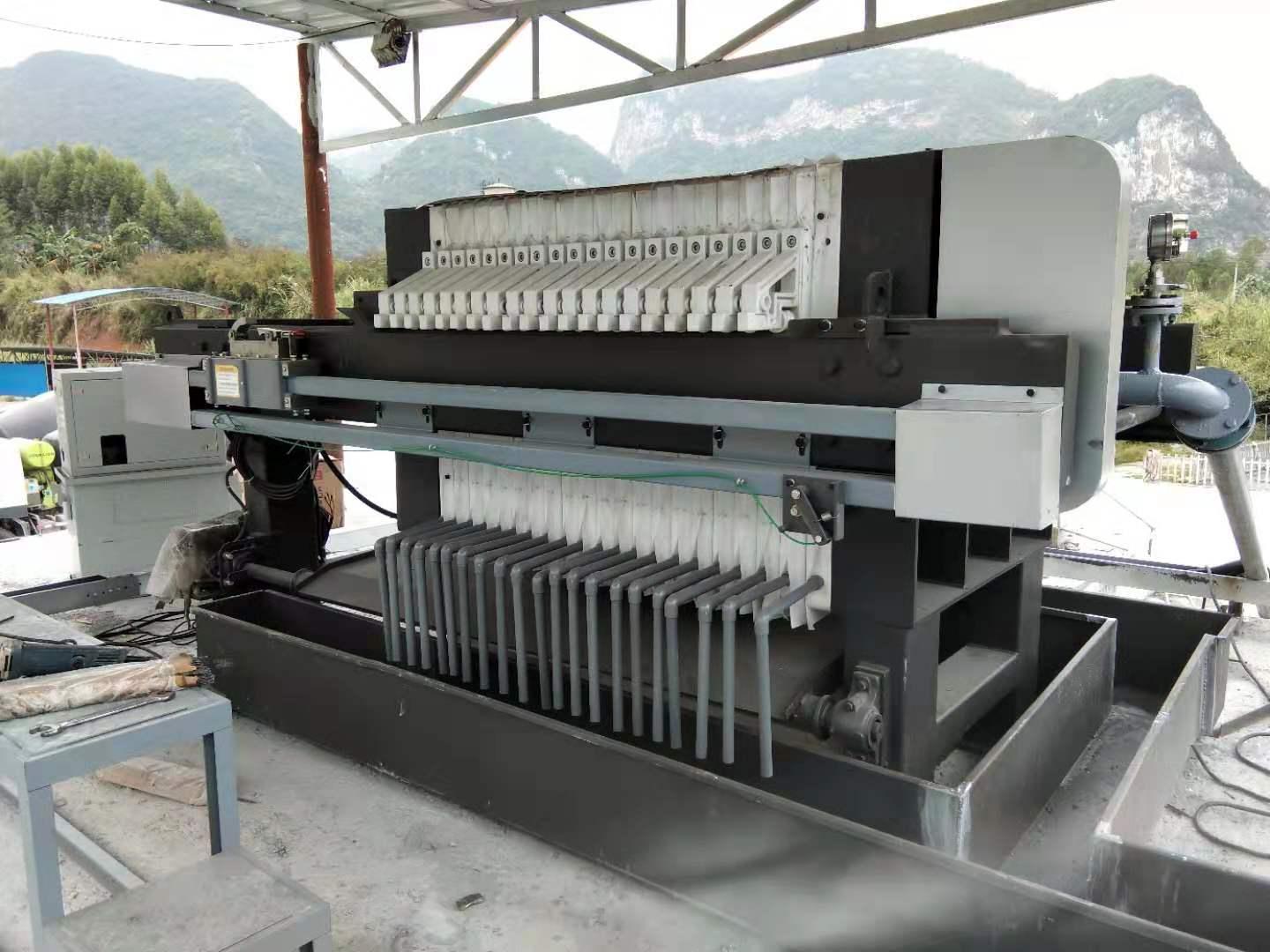
At the heart of every filter press lies the chamber, where a carefully orchestrated interplay of pressure, precision engineering, and filter media transforms a slurry into a dry, stackable cake. It all begins as the feed pump forces the liquid-solid mixture into the void between recessed plates. The plates, lined with filter cloths, immediately separate the solids from the liquid. The cloths act as a selective barrier, allowing water molecules to pass through while retaining the particles. What makes the process exceptional is how pressure builds evenly across the entire surface area, creating a consistent filtration layer that prevents channeling and ensures every last drop of free water is captured.
As the chamber fills, a dense cake forms, and the real dewatering advantage emerges. Unlike simple gravity filters, the filter press uses sustained high-pressure feed—often surpassing 15 bar—to squeeze out bound moisture that other systems leave behind. The recessed design of the plates creates isolated compartments, so even if one section experiences a brief fluctuation, the rest of the cake remains unaffected. This modular resistance to variance is what allows filter presses to achieve cake solids percentages that routinely exceed 60%, turning what would be an unmanageable sludge into a friable, easy-to-handle byproduct. Operators often marvel at how the simple act of closing a pack and watching the filtrate run clear transforms their waste volume overnight.
But the chamber’s genius is not just in its brute force—it’s in the subtle details. The geometry of the plate, the drainage surface pattern, and the cloth tension all contribute to minimal residual moisture. After the initial feed, a second-phase membrane squeeze or air blow-down can reshape the cake, compressing it further and displacing hidden water from micro-pores. The result is a level of dryness that reduces transport costs, cuts disposal fees, and sometimes even opens doors to beneficial reuse. It’s a testament to how a design that dates back centuries still outpaces modern alternatives by sticking to an unforgiving physical principle: pressure, properly applied, leaves nothing wet behind.
Water Recovery Redefined: Cutting Waste, Boosting Purity
Shifting the focus from mere recycling to intelligent recovery, this approach tackles the twin challenges of industrial water use head-on. It’s not just about treating what’s left over; it’s about reimagining the entire flow to capture and repurpose resources that would otherwise slip down the drain. By intercepting reject streams at the source and applying precision separation techniques, facilities can slash discharge volumes dramatically while pulling out contaminants with surgical accuracy.
The real breakthrough lies in the synergy of advanced membrane systems and real-time monitoring. Instead of relying on fixed cycles or rough estimates, sensors track water chemistry minute by minute, adjusting pressures and flow paths to maintain peak efficiency. This means fewer chemicals used, less energy burned, and a final output so clean it can loop back into sensitive processes without a second thought. The result is a closed circuit that shrinks a plant’s water footprint to a fraction of its former size.
But purity isn’t just a technical target—it’s an economic one. Every drop of reclaimed water that replaces a fresh intake saves money, and every uncontaminated stream kept separate avoids the inflated costs of treating blended waste. It’s a strategy that turns regulatory pressure into a competitive edge, transforming water from a liability into a tightly managed asset. In this new calculus, the cleanest factories aren’t just tidier; they’re leaner and more resilient.
Operational Savings That Speak Volumes: Lowering Costs Across the Board
Cutting operational costs isn't just about slashing budgets—it's about smart resource reallocation. We start by auditing energy consumption patterns, renegotiating vendor contracts with performance-based clauses, and implementing predictive maintenance schedules that sidestep costly breakdowns. The result is a leaner expenditure model that frees up capital without compromising service quality.
Technology plays a quiet but pivotal role. Automating routine workflows eliminates manual bottlenecks, while data analytics highlight overlooked inefficiencies—like underutilized software licenses or redundant logistics steps. These adjustments yield savings that compound monthly, often surfacing in areas managers least expect.
Perhaps the most profound shift happens in workplace culture. When teams are empowered to flag wasteful processes and suggest frugal innovations, savings become self-sustaining. A cross-department initiative we piloted last year trimmed overhead by 18% simply by letting frontline employees redesign their own procurement protocols. That's operational savings proving their worth, one practical change at a time.
Meeting Environmental Mandates with Advanced Solids Separation
Modern industrial operations face increasingly stringent environmental mandates aimed at reducing waste and protecting natural ecosystems. One of the most effective strategies for compliance lies in the refinement of solids separation processes. By leveraging high-efficiency centrifuges, dissolved air flotation systems, and advanced filtration media, facilities can drastically cut the volume of suspended solids in their wastewater. This not only minimizes the ecological footprint but also drastically lowers the risk of non-compliance penalties. When separation equipment is intelligently integrated into existing workflows, the result is a leaner, cleaner discharge that consistently meets or exceeds regulatory thresholds.
The shift toward automated, sensor-driven separation systems introduces a new level of precision that manual methods simply cannot match. Real-time monitoring of influent characteristics allows for dynamic adjustments in flow rate, chemical dosing, and retention time, optimizing the capture of fine particulates and even emulsified contaminants. These smart systems gather operational data that can be used to demonstrate compliance with minimal human intervention, turning a mandatory reporting burden into a seamless, continuous verification loop. The ability to respond instantly to changing load conditions ensures that treatment performance remains unwavering, even when production surges or raw material variability occurs.
Beyond mere regulatory adherence, advanced solids separation generates recoverable resources that offset operational costs. Thickened sludge becomes a concentrated feedstock for anaerobic digestion, yielding biogas that can power plant operations or be sold back to the grid. Cleaner effluent opens the door for water reuse in cooling towers, washdown stations, or even process streams, slashing demand for freshwater and reducing intake pumping expenses. This circular approach aligns environmental stewardship with economic sense, transforming a once linear, disposal-oriented mindset into a sustainable, profit-aware model.
From Sludge to Resource: Unlocking Value in Every Cycle
The journey from sludge to resource redefines waste as a continuous loop of opportunity. By capturing nutrients, energy, and water locked in what was once discarded, we transform a costly disposal problem into a valuable input for agriculture, energy production, and even construction materials. This shift not only reduces environmental burden but also creates economic incentives that fuel further innovation.
Every stage of the cycle holds untapped potential. Advanced treatment processes like anaerobic digestion or thermal hydrolysis break down complex organic matter, releasing biogas for power and heat, while leaving behind a nutrient-rich digestate that replenishes soil. Meanwhile, phosphorus recovery technologies extract this finite resource for fertilizers, closing the loop on a element critical to global food security.
Realizing this vision demands a break from linear thinking. It requires reengineering infrastructure, fostering cross-sector partnerships, and designing policies that recognize the true value of recovered resources. When sludge becomes a source rather than a byproduct, we unlock resilience—turning waste management into a regenerative engine that benefits communities, industries, and ecosystems alike.
FAQ
They are mainly used to dewater sludge, reducing its volume and making disposal or further processing more cost-effective and environmentally friendly.
By producing drier filter cakes with lower moisture content, it cuts transportation and handling costs and allows for higher throughput with less energy compared to older methods.
They handle a wide range, including primary sludge, secondary biological sludge, and mixed sludge, often after conditioning with polymers for optimal dewatering.
Regular inspection of filter cloths, proper cleaning to prevent blinding, and checking hydraulic system seals and plate alignment help maintain consistent operation and extend equipment life.
Yes, modern designs support full automation, including automatic plate shifting, cloth washing, and control system integration, allowing for continuous operation with minimal operator intervention.
By drastically reducing sludge volume and enabling resource recovery, such as producing a cake suitable for incineration or land application, they lower the overall carbon footprint of wastewater treatment.
Units can be sized from small package plants handling a few cubic meters of sludge per batch to large-scale installations processing over 500 cubic meters per cycle, depending on plant flow rates.
Conclusion
Municipal wastewater plants face mounting pressure to handle sludge more sustainably, and chamber filter presses are driving a fundamental shift in how we approach solids separation. By rethinking sludge not as a disposal problem but as a material with latent value, these systems enforce intense mechanical pressure within sealed chambers to squeeze out bound water, achieving cake dryness levels conventional methods cannot match. The result is a dramatically reduced volume of solid residue, but the benefits extend further: the filtrate clarity arrives at a level where direct reuse in plant processes or environmental discharge becomes feasible, conserving water and lightening the load on receiving waters. This integrated approach transforms a burdensome dewatering step into a cornerstone of resource efficiency.
The economic and regulatory case for chamber filter presses is compelling. By slashing sludge weight and volume, haulage and disposal costs plummet, while the low-maintenance, automated cycles keep labour and energy inputs in check. Facilities can meet tightening environmental mandates with ease, as the high solids capture rate prevents fines and protects local ecosystems. Perhaps most importantly, the dewatered cake often qualifies as a Class A biosolid, opening pathways for beneficial use in agriculture, composting, or energy recovery. In every cycle, what was once pure waste becomes a revenue-generating asset, closing the loop in municipal treatment with a solution that delivers financial sense alongside environmental stewardship.
Contact Us
Contact Person: HaiYan
Email: [email protected]
Tel/WhatsApp: +86 18957325588
Website: https://www.senyoubeton.com/