
Castor Oil Ethoxylate: Benefits and Uses in Modern Applications
2026-03-13
In the ever-evolving landscape of modern applications, few ingredients capture the essence of innovation and versatility like castor oil ethoxylate. As industries strive for eco-friendly, high-performance solutions, this remarkable derivative has emerged as a game-changer, offering a multitude of benefits that span from cosmetics to industrial processes. At POLYKEM, we've harnessed the power of castor oil ethoxylate to craft cutting-edge formulations that not only meet but exceed today's demands. This blog delves into its unique advantages and diverse uses, inviting you to explore how it's transforming applications and setting new standards. Get ready to uncover the secrets behind this versatile compound and see how it's shaping the future.
Unlocking the Versatility of Castor Oil Ethoxylate in Industrial Solutions
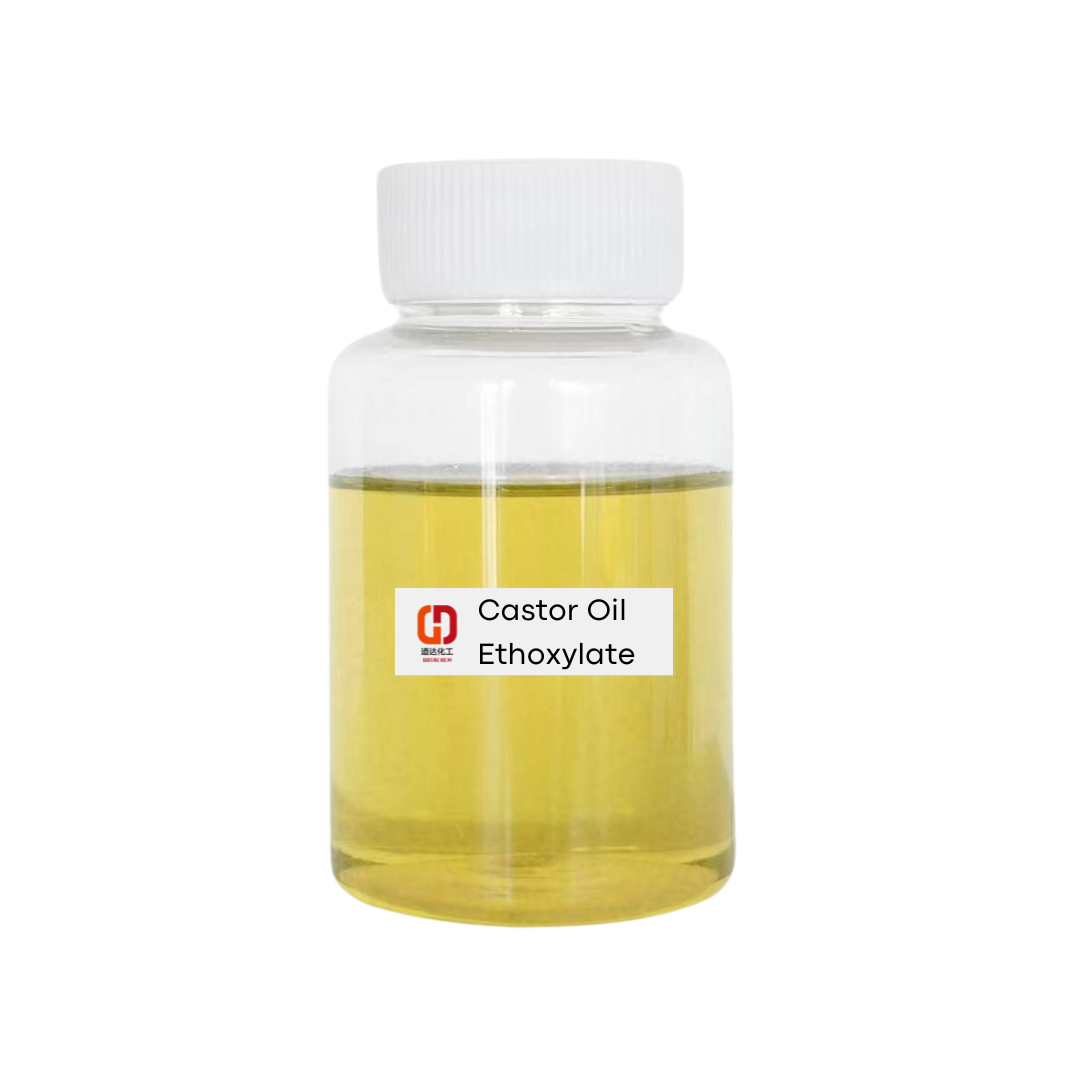
Castor oil ethoxylate has emerged as a versatile player in industrial applications, prized for its unique blend of natural origin and enhanced performance characteristics. Unlike synthetic alternatives, this derivative harnesses the inherent benefits of castor oil, such as biodegradability and low toxicity, while ethoxylation introduces improved solubility and surfactant properties. This makes it particularly appealing in sectors like agriculture, where it serves as an effective emulsifier in pesticide formulations, and in textiles, aiding in dye dispersion and fiber conditioning.
In sectors demanding high-performance additives, castor oil ethoxylate offers a compelling balance of environmental compatibility and functional efficacy. For instance, in the production of lubricants and metalworking fluids, it reduces friction and wear without compromising safety standards. Its ability to act as a non-ionic surfactant also finds use in personal care and pharmaceuticals, facilitating stable emulsions and enhancing product texture, all while meeting stringent regulatory guidelines for natural ingredients.
Beyond its functional roles, the adaptability of castor oil ethoxylate extends to niche industrial challenges, such as in foam control for wastewater treatment or as a dispersant in pigment manufacturing. This versatility stems from its customizable ethoxylation degree, allowing fine-tuning for specific viscosity and solubility needs. As industries increasingly prioritize sustainable solutions, this compound stands out by offering a renewable resource that integrates seamlessly into diverse processes, from cleaning agents to adhesives, fostering innovation across the board.
Enhanced Performance and Safety in Personal Care Products
When it comes to choosing personal care products, consumers increasingly prioritize formulations that not only deliver effective results but also uphold rigorous safety standards. From skincare to haircare, advancements in research and technology have enabled the development of products that enhance performance through targeted ingredients, such as hydrating hyaluronic acid or clarifying salicylic acid, without compromising on gentle, non-irritating properties. This dual focus ensures that users can achieve their desired outcomes—like smoother skin or shinier hair—while minimizing risks of adverse reactions, making everyday routines both beneficial and trustworthy.
In today's market, safety in personal care goes beyond merely avoiding harsh chemicals; it involves comprehensive testing and transparency about ingredients. Many brands now adopt practices like hypoallergenic formulations, dermatologist testing, and clear labeling to build consumer confidence. By integrating natural extracts with scientifically proven components, these products offer enhanced performance—such as improved texture or longer-lasting effects—while adhering to strict safety protocols that protect sensitive skin and overall health. This approach helps users feel secure in their choices, fostering loyalty and satisfaction.
Moreover, the trend towards sustainable and ethical practices further amplifies the emphasis on safety and performance. Products that utilize biodegradable ingredients or eco-friendly packaging often undergo additional scrutiny to ensure they remain effective and safe for both people and the environment. For instance, sunscreens with reef-safe formulas or shampoos free from sulfates exemplify how enhanced performance can align with safety considerations, providing a holistic solution that meets modern demands for quality, responsibility, and wellness in personal care.
Sustainable Applications in Eco-Friendly Formulations
The surge of eco-friendly formulations is transforming industries by prioritizing sustainability from raw materials to end-use. Innovations in biodegradable polymers and plant-based ingredients are reducing reliance on fossil fuels, while water-based systems in coatings and adhesives cut volatile organic compounds, enhancing indoor air quality.
Beyond mere substitution, these formulations integrate circular economy principles, such as compostable packaging in personal care or self-healing concrete in construction, which extends product lifespans and minimizes waste. This holistic approach not only meets regulatory pressures but also captivates eco-conscious consumers, driving market differentiation.
In agriculture, for instance, bio-stimulants derived from natural sources boost crop yields with lower environmental impact, illustrating how sustainable applications bridge ecological and economic goals. By blending science with real-world needs, these formulations pave the way for a resilient, green future, proving that eco-friendly solutions can be both innovative and practical.
Cost-Effective Benefits for Agriculture and Pest Control
Harnessing innovative approaches in agriculture and pest control offers a practical pathway to reduce operational costs while maintaining or even enhancing crop yields. For instance, implementing integrated pest management (IPM) strategies—such as introducing natural predators or using targeted biopesticides—can significantly lower the reliance on expensive chemical treatments. This not only cuts down on input expenses but also minimizes environmental damage, leading to healthier soil and long-term savings. Farmers adopting these methods often report a noticeable drop in pest-related losses, translating to better financial outcomes without compromising on quality.
Beyond direct cost reductions, these benefits extend to improved resource efficiency and sustainability. Techniques like precision farming, which uses data analytics and sensors to optimize water and fertilizer use, help avoid waste and reduce unnecessary expenditures. In pest control, early detection systems and smart traps can prevent infestations before they escalate, saving money on extensive remediation efforts. By integrating such solutions, agricultural operations become more resilient to market fluctuations and climate challenges, offering a competitive edge through smarter, affordable practices.
Moreover, the ripple effects of cost-effective measures contribute to broader economic and social advantages. Local communities benefit from more stable food supplies and lower prices, while farmers gain increased profit margins and reduced debt risks. Adopting these methods also fosters innovation and knowledge-sharing within the agricultural sector, encouraging a shift towards sustainable models that prioritize efficiency over traditional, costly inputs. Ultimately, this approach not only safeguards harvests but also builds a more robust and economically viable farming ecosystem for future generations.
Innovative Uses in Cleaners and Surfactant Blends
In recent years, advancements in surfactant technology have led to the development of blends that enhance cleaning efficiency while minimizing environmental impact. For instance, the integration of bio-based surfactants derived from renewable resources with traditional synthetic ones has resulted in formulations that not only tackle tough stains effectively but also degrade more readily in wastewater systems. This synergy allows for reduced chemical usage without compromising performance, making it a game-changer in household and industrial cleaning applications.
Another emerging trend involves the use of smart surfactant blends that adapt to different conditions, such as varying water hardness or surface types. These blends can self-assemble into micelles that more effectively lift dirt and oil, offering a versatile solution for multi-surface cleaners. By optimizing the balance between hydrophilic and lipophilic properties, manufacturers are creating products that deliver superior cleaning power with fewer residues, catering to the growing demand for efficient and user-friendly options.
Furthermore, innovation extends to specialized cleaners, where surfactant blends are tailored for niche applications like electronic device maintenance or automotive detailing. For example, blends with low foam characteristics are engineered for use in high-pressure systems, while others incorporate mild surfactants for sensitive surfaces like leather or acrylics. This customization not only improves product efficacy but also expands the market reach of cleaning solutions, demonstrating how surfactant blends are driving the next wave of cleaner innovation.
Tailoring Castor Oil Ethoxylate for Niche Market Demands
In the competitive landscape of specialty chemicals, castor oil ethoxylate stands out for its unique versatility, but its true potential is unlocked through careful customization for specific niche markets. Unlike generic surfactants that offer broad applications, tailored castor oil ethoxylate formulations can address precise requirements in sectors like pharmaceuticals, cosmetics, and high-performance lubricants. By adjusting ethoxylation degrees and refining purity levels, producers can enhance properties such as emulsification stability or skin compatibility, directly responding to the nuanced demands of these specialized industries.
Carving a niche with castor oil ethoxylate involves more than just technical tweaks—it’s about aligning with market trends and regulatory standards. For instance, in the personal care sector, there’s a growing demand for bio-based, eco-friendly ingredients that perform without compromising safety. Tailored versions can be engineered to meet certifications like COSMOS or to deliver specific textures in formulations, giving brands a competitive edge. This adaptability not only meets current needs but also anticipates future shifts, allowing companies to stay ahead in fast-evolving markets.
Ultimately, success in niche applications hinges on collaboration between manufacturers and end-users. By engaging in targeted R&D and pilot testing, tailored castor oil ethoxylate can evolve into bespoke solutions—whether for advanced agrochemicals requiring enhanced penetration or medical devices demanding superior lubricity. This approach transforms a versatile raw material into a strategic asset, driving innovation and customer loyalty in specialized arenas.
FAQ
Its unique chemical structure, combining natural castor oil with ethoxylation, offers both hydrophobic and hydrophilic properties, making it effective in emulsification, solubilization, and as a surfactant across various industries.
Yes, its plant-based origin from renewable castor beans and biodegradable nature often make it a greener choice, though specific formulations and concentrations should be evaluated for ecological impact.
It acts as a gentle emulsifier and moisturizer, helping blend oil and water-based components while enhancing skin and hair hydration without harsh effects, suitable for sensitive formulations.
It's employed in lubricants for machinery, as a dispersant in agrochemicals, in textile processing for softeners, and in household cleaners for its degreasing and cleaning capabilities.
Yes, differences in ethoxylation degree (number of ethylene oxide units) influence solubility, viscosity, and application suitability, with lower grades better for oils and higher ones for water-based systems.
Generally safe with low toxicity, but proper handling includes avoiding eye contact, using gloves in concentrated forms, and following manufacturer guidelines for storage to prevent degradation.
Its role as a bio-based surfactant aids in forming stable emulsions for green polymers, enhancing film formation and reducing reliance on petrochemicals in eco-friendly material development.
Research explores its use in drug delivery systems as a solubilizer for poorly soluble compounds and in topical formulations for its soothing and non-irritating properties.
Conclusion
Castor oil ethoxylate stands out as a highly versatile compound in modern industrial applications, unlocking significant potential through its adaptability to diverse needs. Its broad utility spans from enhancing cleaning solutions and surfactant blends to tailoring formulations for niche market demands, making it a key component in developing innovative products. This polyol derivative offers not only performance benefits but also economic advantages, particularly in agriculture and pest control, where its cost-effectiveness drives sustainable and efficient practices.
In personal care, castor oil ethoxylate contributes to safer and more effective products, while its eco-friendly properties support sustainable formulations across various industries. By integrating these facets, it proves indispensable in creating solutions that balance performance, safety, and environmental responsibility, cementing its role in advancing modern applications and addressing evolving market trends with flexibility and reliability.
Contact Us
Contact Person: Levi
Email: [email protected]
Tel/WhatsApp: +86 532 84688720
Website: https://www.polykem-intl.com