

Calcium Chloride 94% Pellets Top Uses and Benefits for Homeowners
2026-11-19
Most homeowners only think of calcium chloride 94% pellets when ice shows up on the front walk. Look beyond the obvious, though, and these small white pellets can pull double duty in basements, garages, and even dusty driveways throughout the year. From cutting through stubborn frost to keeping excess moisture where it doesn’t belong, the right formula makes a noticeable difference around the house. This guide covers the top uses and benefits that actually matter for homeowners — and why sourcing from a focused supplier like Shouguang Golden Chemical can help you avoid inconsistent results.
Ice-Free Walkways in Half the Time
Shoveling after a winter storm usually eats up the better part of a morning, but there is a faster way to keep foot traffic moving. Heated walkway mats roll out over existing pavement and warm up just enough to melt snow as it lands. Instead of waiting for the plow or spreading salt that ends up inside on shoes, you can clear a path in roughly half the time it would normally take.
The real difference comes down to placement and habit. Position the mats where people actually step, such as front entries, side doors, ramps, and the route to the mailbox, and turn them on before the flakes get heavy. Because the surface stays warm, ice does not get a chance to bond, so there is no chipping or scraping later. For homes and small businesses, it turns a cold-weather chore into something closer to flipping a switch.
Keep Gravel Lanes from Turning into a Dust Bowl
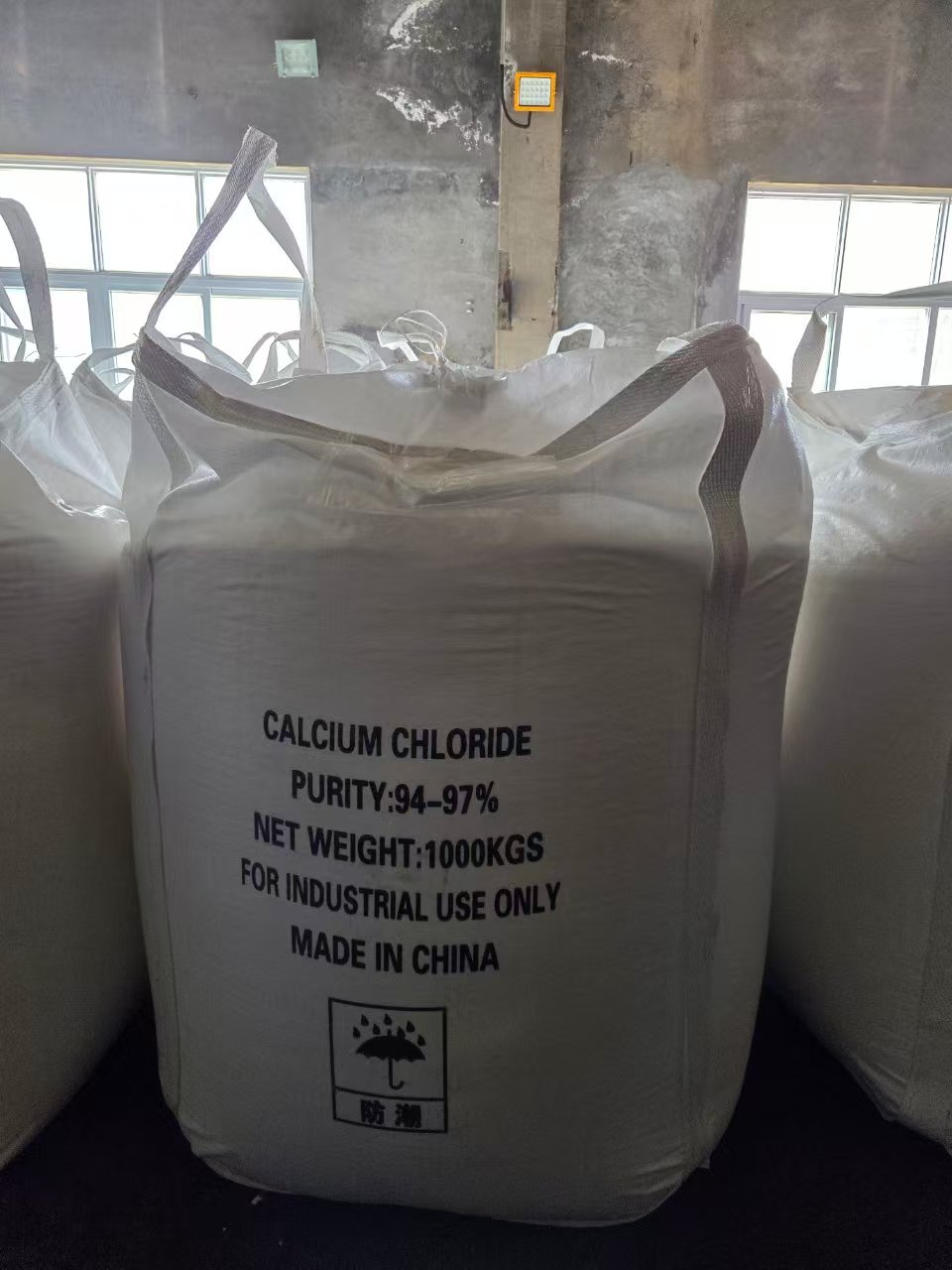
Loose gravel breaks down fastest when it gets kicked off the lane by tires and wind, so the first move is keeping the surface slightly damp during dry stretches. A light spray from a water trailer works for short-term relief, but if you want more than a day or two between treatments, look into calcium chloride or magnesium chloride flakes. They pull moisture out of the air and hold the fines together, which cuts down on the powdery cloud without making the road slick.
Grading has a lot to do with it, too. A lane that is scraped hard every time leaves a fresh supply of crushed stone dust on top, and that dust turns airborne the moment a pickup rolls through. Instead of frequent deep grading, drag a section of chain-link fence or an old bed spring behind the tractor just enough to smooth out ruts and keep a slight crown in the middle so water runs off to the sides. Leave the compacted layer alone whenever possible.
If the dust keeps coming back anyway, try mixing a binding material into the top couple of inches rather than just coating the surface. Recycled asphalt millings, bentonite clay, or even a light application of soybean oil can lock down the loose particles and create a tougher crust. Slowing vehicles down to a crawl on the worst days also makes a bigger difference than most people expect, especially near houses and barns where the dust settles on everything.
Pour Concrete Even When the Air Has a Bite
Cold weather slows the hydration reaction to a crawl, so a standard mix that sets up in a few hours during summer can sit soft and vulnerable when the temperature drops. Warm the water before batching, switch to a Type III cement or add calcium chloride only if you know the steel spec allows it, and keep the slump as low as the job will tolerate. The goal is not just to make the pour workable, but to give it enough early strength to survive the first freeze without spalling.
Once the concrete is down, the real fight is keeping residual heat from escaping before the surface can hold its own. Lay insulated blankets over the slab or footing, and extend them past the edges where cold air sneaks underneath. If the ground below is frozen, thaw it with heating blankets or a portable heater before the truck arrives, because placing concrete on ice is a guaranteed way to get uneven settlement and weak corners. Check the surface temperature with an infrared gun instead of guessing, and hold off on stripping forms until the concrete can take a light scratch without tearing.
Pull Dampness Out of Basements and Crawl Spaces
Moisture doesn't just appear in basements and crawl spaces by accident—it drifts in through porous concrete, seeps up from the soil, and settles wherever air stops moving. Once it arrives, it clings to joists, feeds mold, and leaves that unmistakable musty smell. The first practical step is to interrupt the cycle before it becomes a structural problem. A vapor barrier laid over exposed dirt floors keeps ground moisture from rising, while sealing rim joists and foundation cracks blocks the humid air that likes to sneak through in warm weather.
Next, think about how air moves through the space. Dampness tends to pool in corners and behind stored boxes where circulation is weak, so rearranging storage away from walls can make a real difference. Running a dehumidifier only helps if the unit is sized for the square footage and drained continuously—otherwise you're just moving water from the air into a bucket you'll forget to empty. For crawl spaces, closing foundation vents during humid months reduces the amount of outdoor moisture drawn inward, a shift that surprises many homeowners who were told to keep vents open year-round.
Finally, watch how water behaves around the outside of the house. Downspouts that dump rain next to the foundation and soil that slopes toward the walls push moisture underground until it finds a way in. Extending downspouts several feet away and regrading the perimeter often cut basement dampness more than any indoor gadget. Test with a simple plastic sheet taped to the floor for a day: if droplets form underneath, the moisture is rising from below; if they form on top, it's coming from the air—and that tells you which fix to tackle first.
Bring Pool Hardness Up Without the Cloudy Water
Raising calcium hardness usually means dumping in calcium chloride and watching the water turn milky for a day or two. It does not have to go that way. The trick is to add smaller doses in stages instead of one big correction, and to pour the chemical slowly into the deepest part of the pool while the pump is running hard. That steady circulation lets the calcium dissolve before it can clump and scatter light.
A lot of cloudiness comes from rushing the process or mixing calcium with other balancers too quickly. Keep alkalinity and pH in range first, then wait several hours between hardness adjustments. If the water still turns hazy, running the filter overnight and brushing the walls usually clears it without extra chemicals. Clean or backwash the filter beforehand so it can actually catch the fine particles.
Some pool owners switch to a slower-dissolving calcium source or pre-dissolve the granules in a clean bucket before adding them near a return jet. That simple step cuts the usual fog in half. Test the water after a full turnover cycle, not right away, because calcium readings can lag behind what is actually in the water. Small, patient additions keep the water clear while bringing hardness up where it belongs.
Protect Metal Railings and Tools from Salt Damage
Salt exposure works slowly at first, then all at once. You might not notice the first faint white bloom on a railing or the way a trowel starts to drag instead of glide, but once pitting appears, the metal is already losing its structure. Coastal air and de-icing salts both leave behind chloride deposits that pull moisture against the surface and break down protective coatings. The simplest countermeasure is frequent rinsing with fresh water, especially in areas where salt spray dries in the same spots repeatedly. After washing, dry the surface rather than letting it air dry, since evaporation leaves the salt behind.
For railings, pay attention to joints, fasteners, and the underside of bottom rails where salty runoff collects. A light coat of paste wax or a dedicated metal sealant can create a barrier without changing the look of the material. Avoid using abrasives or steel wool that leave tiny iron particles behind; those particles rust quickly and make the problem worse. Tools benefit from a similar approach: rinse shovel blades, trowels, and pruning shears after use, then wipe them with an oily rag. The thin oil film does more than a heavy grease layer because it reaches into hinges and crevices without attracting grit.
If rust has already started, remove it with a nylon brush or fine brass wool, then treat the area with a rust converter before repainting or sealing. Check fasteners twice a season and replace any that show orange staining, since a single corroding bolt can stain the surrounding metal even after you address the rest. Store tools off concrete floors and away from fertilizer or ice-melt bags, both of which release corrosive dust. A little separation from salt sources and a habit of wiping surfaces down after exposure will extend the life of metal far more than any single product.
FAQ
The big difference comes down to how they behave in the cold. Rock salt tends to lose its bite once temperatures drop into the teens, while 94% calcium chloride keeps melting ice well below 0°F. It also gives off heat as it dissolves, so you’re not waiting around for the sun to help. A thin, even scatter usually does more than a heavy layer of rock salt, which means fewer bags sitting in the garage.
Yes, and they’re surprisingly effective for small, enclosed areas. Set a shallow plastic container of pellets on a shelf or floor, and they’ll pull moisture out of the air and collect it as liquid underneath. You’ll need to dump the collected water and refresh the pellets once they dissolve. For large, open basements, a powered dehumidifier usually makes more sense, but for a closet, storage room, or crawl space, this is a low-cost fix.
Start with a pound or two in a wide, low container—something like a plastic dish tub works well. Place it away from foot traffic and check it every few days. If it’s turning into a pool quickly, the space has a lot of moisture and you may need to add more or swap containers more often. The goal is to see the pellets slowly shrink, not to flood the container.
They’re not completely harmless, but they tend to be less aggressive on concrete than some other de-icers. The risk goes up if you use heavy piles or leave the slush sitting against the surface. Shovel or sweep away the melt after the ice breaks up, and use as little as needed. For plants, avoid shoveling salty slush directly onto lawns or beds, because the runoff can burn roots over time.
Moisture is the enemy. Roll the bag down tight, clip it, and put it in a sealed five-gallon bucket or a heavy-duty plastic bin. Keep it up off a damp concrete floor if you can. If a few clumps form, you can usually break them apart with a hammer, but a good airtight container stops most of that.
A few. Some people put a small open container in a musty boat, RV, or windowless bathroom during storage season. Others sprinkle a very light amount on gravel driveways to keep dust down in dry weather, though you don’t want to overdo it. There’s also the old trick of placing a container in a safe, dry spot inside a gun safe or toolbox to keep humidity low.
Pretty quickly—usually within a few minutes you’ll see the pellets starting to bore through the ice and form a brine. If the ice is thick, you may need to let that brine sit for a while, then come back with a shovel or scraper. They won’t always clear a frozen slab instantly, but they loosen the bond so the ice comes up without a fight.
I’d avoid it. The brine can sit in the grain or texture and leave a white residue, and over time it may dry out wood or damage fasteners. For decks, use sand for traction or a de-icer labeled safe for wood. If you do use calcium chloride nearby, rinse the area after the ice is gone.
Conclusion
Homeowners tend to reach for calcium chloride 94% pellets when cold weather turns sidewalks into skating rinks, but the real payoff is how quickly a light sprinkle cuts through ice without hours of waiting. The same fast-acting property carries over to dry months: spreading a modest amount over gravel driveways locks down dust and keeps the lane from turning into a haze every time a car rolls through. That versatility extends to concrete work, too. When temperatures hover just above freezing, mixing these pellets into the pour helps the concrete set properly instead of stalling out and leaving a weak finish.
Indoors, the pellets earn their keep by pulling excess moisture from basements and crawl spaces, which helps prevent that sticky, musty feel before it spreads to stored boxes and drywall. For pool owners, the 94% formula raises calcium hardness without the usual clouding that cheaper products leave behind, so the water stays clear while equipment runs smoothly. Around the yard and garage, swapping plain rock salt for these pellets also makes a difference: railings, tools, and other metal surfaces face less corrosion, giving homeowners a single product that works across seasons without piling up half-used bags or juggling several specialty treatments.
Contact Us
Contact Person: Tom Cui
Email: [email protected]
Tel/WhatsApp: +8618663670626
Website: https://www.jinjigoldenchem.com