

Bulk Melamine Cyanurate: A Comprehensive Guide for Industrial Applications
2026-07-26
When it comes to flame retardant solutions for industrial polymers, melamine cyanurate often flies under the radar—yet its unique properties make it indispensable in critical applications. In this comprehensive guide, we’ll explore why bulk melamine cyanurate is gaining traction across sectors, from electronics to automotive components. With efficiency and safety at stake, sourcing from a trusted partner like X.X.F.R becomes crucial. Ready to uncover how this halogen-free additive can elevate your formulations? Let’s dive in.
Why Melamine Cyanurate Is Gaining Ground in Industrial Formulations
Melamine cyanurate is steadily carving out a prominent niche in industrial formulations, largely due to its exceptional flame retardancy and thermal stability. Unlike traditional halogenated additives that face increasing regulatory scrutiny, this nitrogen-based compound offers an environmentally friendlier alternative without sacrificing performance. Its unique ability to undergo endothermic decomposition at high temperatures absorbs heat and releases inert gases, effectively diluting flammable vapors and interrupting combustion cycles. This mechanism makes it a preferred choice in polyamides and thermoplastic polyesters, where maintaining mechanical integrity under fire conditions is critical.
Beyond safety, the compound’s compatibility with a wide range of polymers sets it apart. Formulators value its low solubility and high melting point, which allow for even dispersion without migrating or blooming during processing or end use. Moreover, melamine cyanurate acts as a solid lubricant in engineering plastics, reducing wear and friction in moving parts—a dual functionality that streamlines additive packages and cuts costs. As industries push toward lightweighting and miniaturization, the material’s contribution to enhanced flow properties during injection molding is increasingly appreciated.
Perhaps the most compelling driver of its adoption is the shift toward sustainable manufacturing. Melamine cyanurate is inherently non-toxic and contains no persistent organic pollutants, aligning with global eco-certification standards. Producers are also finding that it synergizes well with other phosphorus- or mineral-based flame retardants, enabling lower overall loading levels while maintaining UL 94 V-0 ratings. This versatility, combined with a stable supply chain and growing R&D into tailored particle sizes, is accelerating its integration into next-generation electronics, automotive components, and building materials.
Sourcing High-Purity MCA at Scale Without Supply Chain Headaches
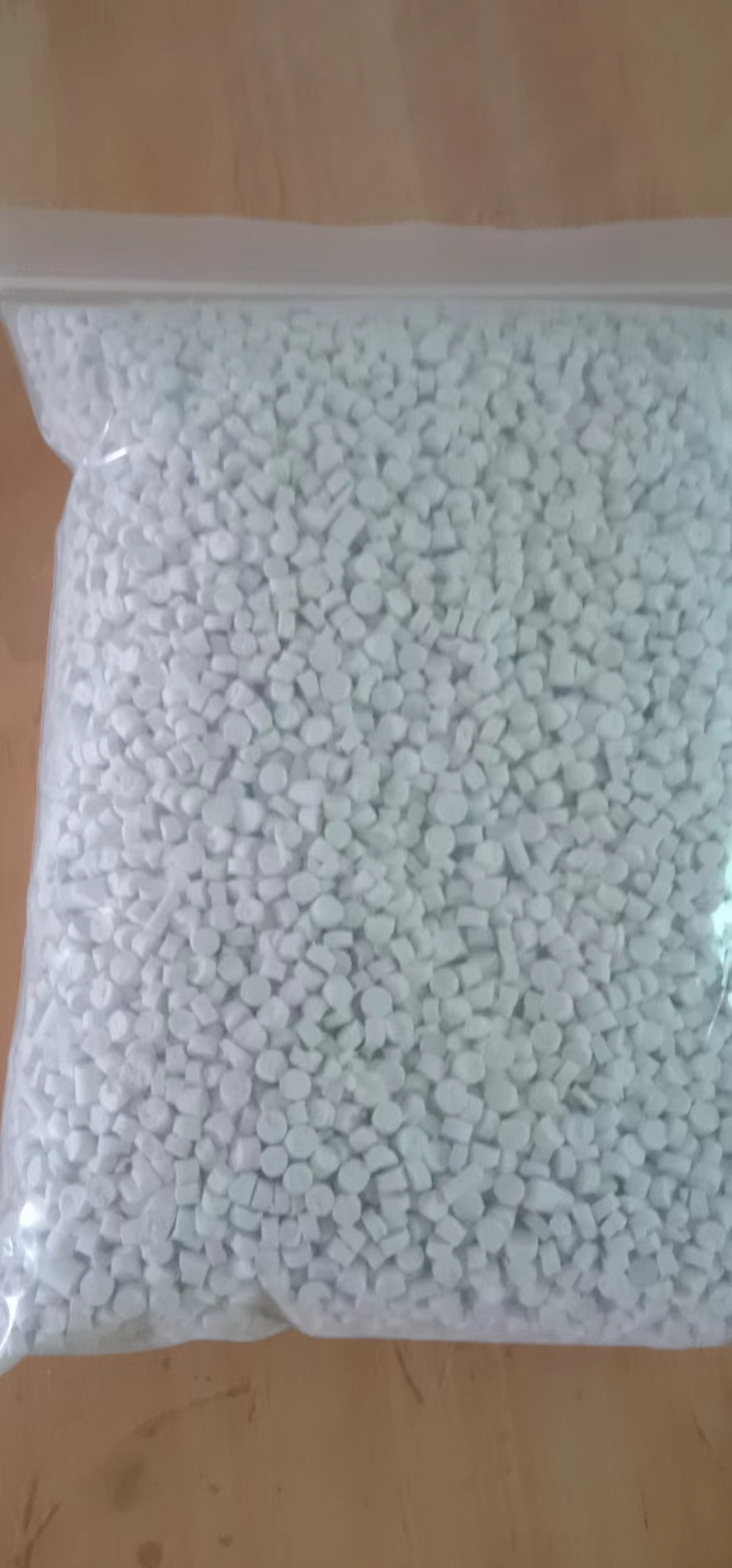
Finding a reliable stream of high-purity monochloroacetic acid (MCA) in the volumes your operation demands can feel like threading a needle blindfolded. Fluctuating raw material costs, inconsistent purity levels, and logistical bottlenecks often turn what should be a straightforward procurement into a constant firefight. You need a partner who treats quality not as a checklist item, but as the bedrock of every shipment—someone who understands that even trace impurities can cascade into batch failures or equipment corrosion downstream.
What sets a seamless supply chain apart isn’t just the chemistry; it’s the infrastructure behind it. Think dedicated production lines that minimize cross-contamination, redundant logistics networks that keep tankers moving even when a port shuts down, and real-time purity verification that lets you wave goodbye to retesting. When your supplier invests in regional warehousing and multi-modal transport, lead times shrink from weeks to days, and the dreaded “out of stock” notice becomes a relic of the past.
But scale introduces its own headaches—like navigating regulatory shifts or sudden demand spikes without sacrificing quality. The right sourcing strategy bakes agility into the contract itself: option-volume clauses, buffer inventory agreements, and transparent cost indexes that align pricing with market reality. That way, you’re not just buying a molecule; you’re buying peace of mind, knowing your MCA supply can flex with your business instead of holding it hostage.
Maximizing Flame Retardancy: Blending and Processing Insights
Getting the most out of flame retardants often comes down to how well they're dispersed and how the material is processed. If you simply mix in additives without considering the melt viscosity or the shear during extrusion, you risk uneven distribution. That can leave weak spots where flames can travel. A common trick is to use a masterbatch approach, which pre-disperses the flame retardant in a compatible carrier resin. This step alone can significantly boost consistency across the final part, even at lower overall loadings.
Processing temperatures are another lever that's easy to overlook. Some halogen-free systems, like metal hydroxides, start to decompose if the barrel gets too hot, releasing water and creating voids that undermine both mechanical strength and fire performance. On the flip side, certain synergistic blends actually benefit from a tight thermal window—too cool and the char-forming chemistry doesn't activate fully. It's a balance that demands real-time monitoring and a willingness to tweak profiles batch by batch.
Beyond the basics, the choice of screw design can make or break your results. A high-dispersion mixing section helps break down agglomerates, especially with nano-scale additives that love to clump. But push the shear too far and you might degrade the polymer backbone, which in turn reduces the effectiveness of the char layer. Sometimes a counterintuitive approach—like using a lower shear screw with a longer residence time—yields better fire test outcomes because it preserves the molecular weight and allows slower, more even additive wetting.
Tailoring MCA for Specific Polymer Systems
The efficiency of MCA as a flame retardant hinges on intimate mixing with the host polymer. In polyamides, especially PA6 and PA66, the particle size of MCA must be optimized to ensure fine dispersion during melt compounding. Coarse grades can act as stress concentrators, compromising mechanical integrity, while excessively fine particles may agglomerate, leading to uneven performance. A narrow particle size distribution around 2–5 µm often provides the best balance, enabling the phosphorous-nitrogen synergism to trigger char formation without degrading the polymer matrix.
Surface treatment of MCA particles can overcome compatibility challenges in less polar polymers. For polyolefins like polypropylene, unmodified MCA tends to phase-separate, resulting in poor dispersion and diminished flame retardancy. Applying a silane coupling agent or a polymeric compatibilizer—selected to match the polymer’s backbone chemistry—anchors the MCA within the matrix. This not only improves mechanical properties but also ensures that the endothermic decomposition and inert gas release occur uniformly across the part, suppressing dripping and enhancing UL-94 ratings.
Synergistic additives further tailor MCA performance to demanding applications. In glass-reinforced polyamides, where the wicking effect of fibers can undermine flame retardancy, incorporating a small amount of a char-forming synergist like pentaerythritol or a phosphorus-based stabilizer amplifies the barrier layer. For thin-wall electronics, a tailored MCA masterbatch with a high-flow carrier resin prevents nozzle clogging during injection molding while maintaining V-0 performance at reduced thickness. Fine-tuning these parameters allows formulators to meet stringent fire safety standards without sacrificing processability or end-use properties.
Navigating Safety Regulations Without Compromising Efficiency
Balancing rigorous safety protocols with operational speed isn’t about choosing one over the other—it’s about redesigning workflows so that compliance becomes a natural part of the process rather than a bottleneck. By embedding safety checks directly into daily routines, teams can maintain momentum without constant pauses for inspections. For instance, integrating real-time hazard monitoring tools reduces the need for reactive shutdowns, allowing work to continue smoothly while risks are actively managed.
Many organizations mistakenly view regulations as red tape, but a shift in perspective reveals that well-designed safety measures can actually streamline tasks. Standardized procedures minimize variability, which in turn cuts down on errors and rework—two major drains on efficiency. When everyone follows clear, proven steps, the guesswork vanishes, and projects move faster because teams aren’t backtracking to correct mistakes that could have been prevented.
Technology plays an underrated role in this equilibrium. Automated compliance tracking and digital dashboards give supervisors instant visibility into both safety status and productivity metrics, enabling them to make informed adjustments on the fly. Instead of waiting for periodic audits, managers can spot potential issues early and address them without grinding operations to a halt. This proactive approach turns compliance from a checkpoint into a continuous, invisible shield that protects without obstructing.
What’s Next for Melamine Cyanurate in Evolving Markets
The trajectory of melamine cyanurate is being reshaped by tightening fire safety standards and a push for halogen-free solutions. As regulations clamp down on traditional flame retardants, this nitrogen-based synergist is stepping into a more prominent role, particularly in polyamide formulations for electronics and automotive components. Its ability to enhance char formation without releasing corrosive gases makes it a quiet but critical enabler of next-generation materials.
Beyond regulatory drivers, material science is unlocking new potential. Researchers are refining particle size distributions and surface treatments to improve dispersion and mechanical properties in engineering plastics. These advances are opening doors in thin-wall applications and high-temperature connectors where performance margins are razor-thin—and where melamine cyanurate’s thermal stability gives it a distinct edge over competing additives.
Looking ahead, the market is likely to see tighter collaboration between chemical suppliers and compounders, with customised grades tailored to specific polymer matrices. The shift toward miniaturisation in electronics and lightweighting in vehicles will keep demand simmering, but the real growth may come from unexpected corners—like 3D-printing filaments and sustainable building materials—where melamine cyanurate’s profile aligns surprisingly well with emerging technical requirements.
FAQ
Melamine cyanurate is a melamine-based flame retardant, formed by reacting melamine and cyanuric acid. It's widely used as a non-halogenated additive in polymers like polyamides and thermoplastics to improve fire resistance without releasing toxic fumes.
Purchasing in bulk dramatically lowers cost per unit, ensures consistent quality across production batches, and reduces supply chain interruptions. For high-volume operations, it streamlines inventory management and avoids the delays of frequent reordering.
It works through endothermic decomposition and inert gas release, cooling the material and diluting oxygen. This mechanism avoids corrosive or dense smoke, making it safer for both equipment and human health during a fire event.
Yes, it has minimal impact on clarity and color, which is critical for applications like electrical housings, automotive parts, and consumer electronics that demand both flame retardancy and aesthetic appeal.
Keep it in a cool, dry, well-ventilated warehouse away from strong oxidizers and direct sunlight. Use sealed, moisture-resistant containers to prevent clumping, and rotate stock regularly to maintain free-flowing properties.
Particle size distribution and dispersion quality are critical. It should be compounded at temperatures below 350°C to prevent degradation, and proper screw design in extrusion helps achieve uniform distribution without harming the polymer matrix.
Conclusion
In today's fast-evolving industrial landscape, melamine cyanurate (MCA) has emerged as a go-to flame retardant, particularly in unfilled and glass-fiber-reinforced polyamides, thanks to its outstanding thermal stability and low smoke generation. The shift toward bulk adoption is driven by stringent fire safety mandates and the need for cost-effective, high-performance additives that do not compromise mechanical properties. Sourcing high-purity MCA at scale, however, demands rigorous quality control and reliable supply chains to avoid variability that can disrupt production. Smart manufacturers are partnering with established suppliers who offer consistent particle size distribution and purity levels, ensuring seamless integration into existing compounding lines. Effective use also hinges on mastering processing parameters—such as screw design and temperature profiles—to maximize dispersion without premature degradation, which unlocks the full flame-retardant potential while preserving polymer integrity.
Beyond standard formulations, tailoring MCA for specific polymer systems, including polyolefins and engineering thermoplastics, opens new frontiers by achieving UL 94 V-0 ratings at lower loadings when combined with synergists or surface treatments. Navigating the complex web of global safety regulations—from REACH to regional eco-labels—requires a proactive strategy that balances compliance with operational efficiency, often achieved through pre-certified grades and comprehensive documentation. Looking ahead, the market is being reshaped by miniaturization in electronics, lightweighting in automotive, and the push for sustainable flame retardants, positioning MCA as a versatile solution that adapts to emerging trends without the environmental baggage of halogenated alternatives. These interconnected factors make bulk MCA not just a material choice but a strategic asset for forward-thinking formulators.
Contact Us
Contact Person: Guohua Wang
Email: [email protected]
Tel/WhatsApp: 8613003442895
Website: https://www.xxflameretard.com